The wine world isn’t just swirling and sniffing anymore. It’s spiralling—and not just from that extra glass at lunch.
As we inch closer to 2026, the global wine industry finds itself in the throes of an identity crisis, clutching a half-empty glass of mid-tier Chardonnay and wondering: do we refill or rethink the whole cellar? This isn’t your average downturn or another winemaker’s grumble over yields. It’s a full-blown structural shake-up. A Great Reset. Think less 2008 recession, more vineyard-level revolution.
Welcome to the new viticultural paradigm, where climate chaos, AI sommeliers, sober Gen Zs, and tariff wars have more influence than terroir. It’s a wild swirl of geopolitics, tech, lifestyle shifts, and yes, a whole lot of awkward vineyard farewells.
1. Premium Wines Soar, Cheap Bottles Hit the Skids
Gone are the days when your aunt bought a case of Merlot for a tenner a bottle and felt like a connoisseur. That budget-wine era is fading faster than a summer rosé left in the sun.
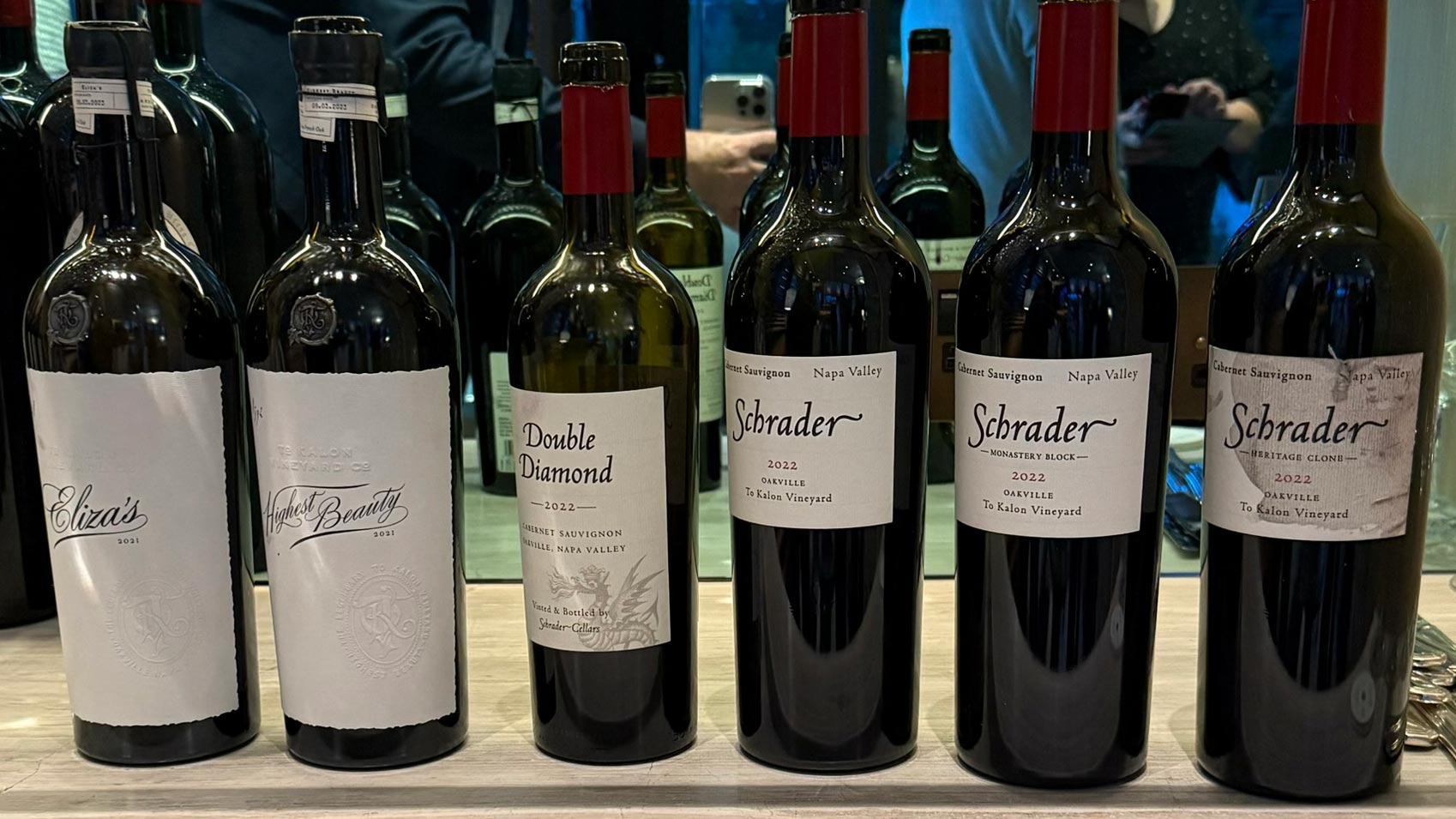
Today, it’s all about drinking less, but drinking better. The wine market has officially split like a badly stored cork: on one side, premium and prestige brands telling irresistible stories, and on the other, supermarket shelf-fillers headed for extinction.
Why? Rising production costs, tighter margins, and younger consumers who want their booze with a backstory and minimal hangover. Authenticity, sustainability, scarcity—that’s the new holy trinity. If your wine doesn’t whisper of a misty morning harvest in a biodynamic vineyard and a winemaker who journals by candlelight, it might not make the cut.
2. Vineyards Are Being Ripped Up Like Dodgy Carpet
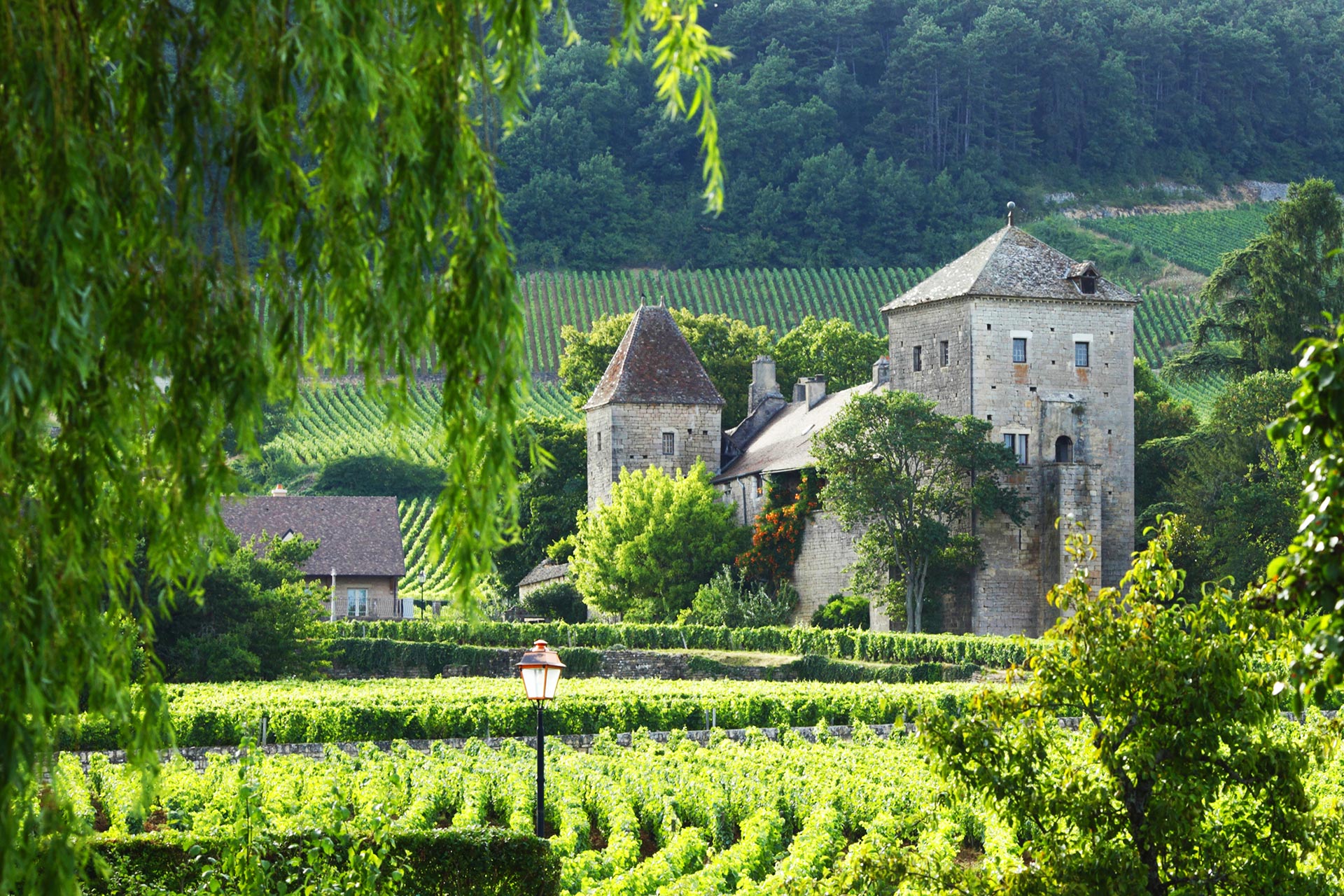
It’s not just a stylistic shift—it’s a literal one. Across France, California, and Australia, vineyards are being ripped up like failed floor tiles. And not because the grapes are bad—because the economics are worse.
In Bordeaux, up to 20% of vineyards are expected to disappear by 2026. Regions known for reliable, volume-driven red blends are losing favour, with state-funded vine-pull schemes trying to prop up pricing and save what’s left of family legacies. In California’s Central Valley, where the grapes once flowed like water (literally and metaphorically), growers are walking away from land that no longer pays.
And Australia? It’s swapping Shiraz for citrus. Inland growers are giving up on the “critter label” export model and pivoting to whatever keeps them in business. The future of wine might smell more like oranges than oak.
3. The Rise of the Vinarchy: Big Players Gobble the Rest
Small is beautiful. But in 2026, it might also be broke.
The wine industry is undergoing a corporate consolidation so intense it makes private equity firms look shy. Mid-sized wineries—those too big to be artisanal and too small to scale—are joining forces to survive. The result? Mega-brands, or what we’re now calling the Vinarchy, are swallowing shelf space, market share, and distressed labels with alarming efficiency.
It’s not all bad. Bigger players can weather storms, invest in tech, and ship wine globally without blinking. But if you’re a poetic winemaker in a beret clinging to your 3 hectares, you’d better start telling your story in 4K and launching a TikTok series.
4. Wine and Geopolitics: A Match Made in Tax Hell
Trade wars are the new terroir. In the era of tariffs and tantrums, your wine’s country of origin might be more of a liability than a badge of honour.
With US-EU disputes flaring up like over-oaked Chardonnay, and China playing political ping-pong with tariffs, importers are hedging their bets. Expect to see less Bordeaux and Barolo, more Chilean Carmenere and South African Chenin.
Retailers are now portfolio diversifiers. Sommeliers are turning into geopolitical analysts. And drinkers? They’re more likely to explore emerging regions than ever before—if only because they’re cheaper and tariff-neutral.
5. NoLo, Yes Please
Think low and no-alcohol wine is just glorified grape juice? Think again.
The NoLo category—once dismissed as a fad for the “Dry January” brigade—is now a full-blown movement. Tech advances have made non-alcoholic wines taste, well, like actual wine. We’re talking real mouthfeel, balanced acidity, and yes, even a decent finish.
With health-conscious Millennials and Gen Z leading the charge, NoLo is no longer optional for wineries. It’s essential. Expect full product ranges, upscale branding, and even NoLo wine pairings on high-end menus.
6. Wine Labels Get Honest (Finally)
For too long, wine was the Wild West of food labelling. You needed a chemistry degree to guess what was in your bottle.
But no more. Thanks to EU legislation and consumer demand, 2026 will be the year when wine labels start reading like food packaging. Calories, allergens, additives—they’re all coming out to play.
Brands with nothing to hide will wear it like a badge: “Just grapes (and a pinch of sulphites).” The rest will need a PR team and a smaller font size.
7. Fun Is the New Fine
Gen Z doesn’t want to swirl, sniff, and be told they’re doing it wrong. They want wine that’s accessible, affordable, and above all—fun.
Think bright labels, playful names, chillable reds in cans, and tasting notes like “Pairs with beach days and bad decisions.” Serious wine is still around, but it’s learning to lighten up. The shift away from elitism is real—and it’s refreshing.
If your wine doesn’t fit on a festival blanket, it might be missing the mark.
8. Whites and Bubbles Take Over
Red wine’s dominance is slipping. Blame climate, food trends, or just the fact that people want wine they can sip in the sunshine without passing out.
Crisp whites and sparkling wines are the darlings of 2026. Prosecco’s popularity continues, but it’s got competition—from English sparkling, Pet-Nats, Crémant, and lesser-known white varietals that thrive in cooler climates.
This isn’t just a shift in taste; it’s a shift in occasion. Wine is moving from the dining room to the picnic rug, the rooftop party, and the Wednesday night wind-down.
9. AI Joins the Winemaking Team
Artificial Intelligence isn’t just predicting your next online purchase—it’s managing irrigation, identifying vineyard disease, and even picking your next favourite wine.
AI in 2026 is everywhere. In the vineyard, it’s monitoring microclimates vine by vine. In retail, it’s replacing the awkward sommelier with an app that knows your taste better than your mother.
The result? Better grapes, smarter drinking, and a far more personalised buying experience. Soon, “I don’t know much about wine” will be no excuse.
10. Packaging Gets a Makeover
We love glass, but it’s heavy, expensive, and not exactly planet-friendly. So in 2026, wine is coming in more shapes and materials than ever before.
Paper bottles, flat PET, aluminium cans—once gimmicks, now mainstream. Why? They’re lighter, greener, and perfect for a generation that drinks at festivals and campsites more than five-course dinners.
Don’t judge a wine by its bottle. Judge it by whether you can carry six of them to the park without needing a trolley.
Final Sip
By 2026, wine won’t just be about flavour or origin. It’ll be about story, sustainability, tech, and vibe. The producers that thrive will be those who adapt, innovate, and connect with drinkers on a personal level.
The industry is resetting itself—sometimes painfully—but the direction is clear. The future of wine is agile, authentic, and a little bit rebellious.
Cheers to the Great Reset. Let’s raise a glass to what’s next.