Why the wine industry is not just for romantics
If your mental image of a wine career is a winemaker idly strolling between vines with a baguette under one arm, it’s time for a gentle reality check. The wine world mixes agriculture, science, logistics, marketing and hospitality — all in one occasionally muddy package. In short: careers here are as varied as the wines themselves.
The three-sector map (quick and useful)
Think of the industry as three big islands connected by bridges:
-
Production (viticulture & oenology) — the soil, the canopy, the ferments. For people who like dirt and lab results in equal measure.
-
Commercial (imports & distribution) — logistics, sales teams, and the portfolio decisions that decide what ends up on the shelf.
-
Hospitality & Retail — where wine meets people: restaurants, wine bars, shops and direct-to-consumer (DTC) channels.
Knowing which island suits your temperament makes choosing an entry point far less random.
Why the UK is a brilliant place to start
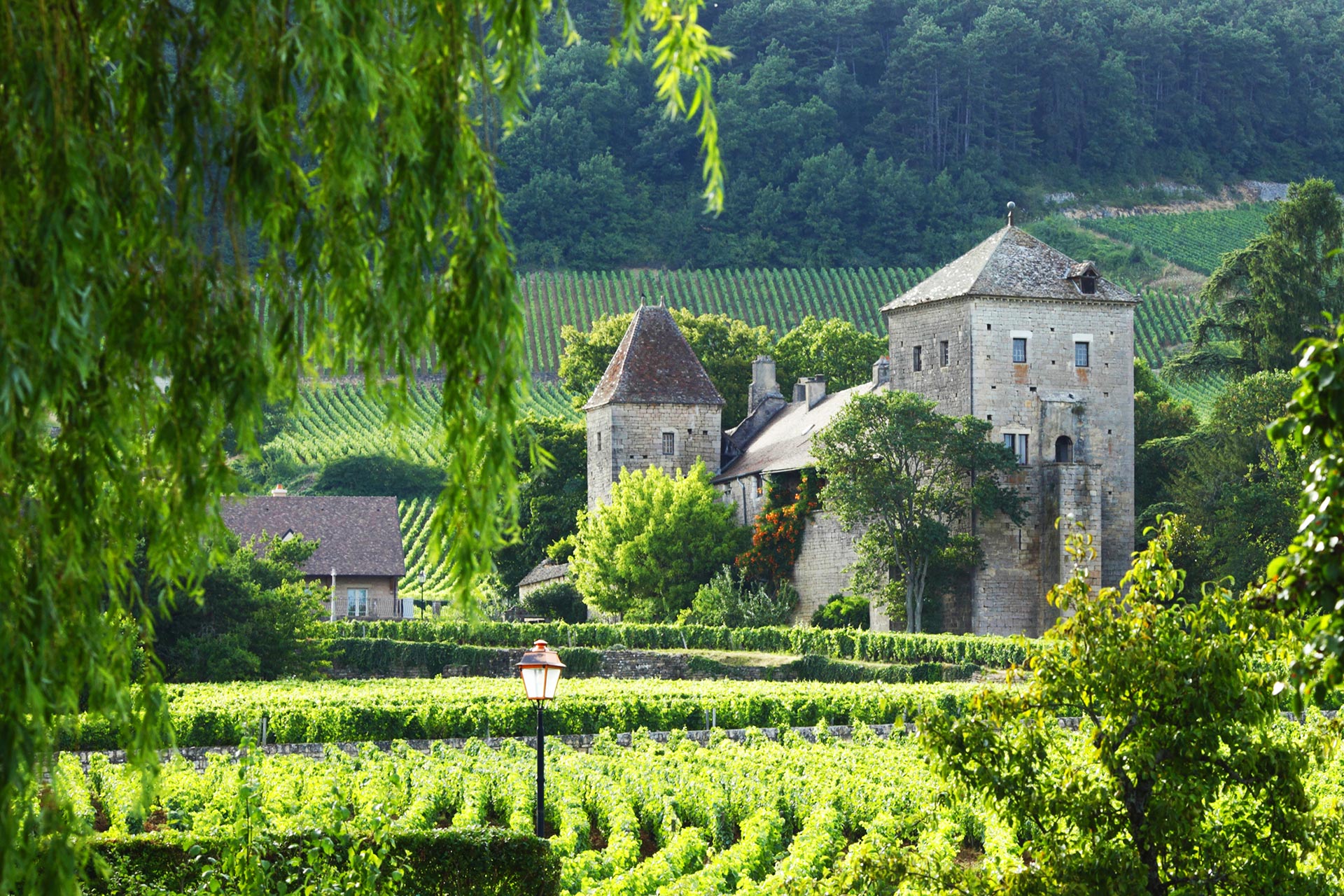
The UK is both a serious importer and a surprisingly lively domestic producer. The market was valued at around £20.7bn in 2024 and is projected to grow over the coming decade — yes, there’s growth and yes, that means jobs. The UK’s vineyards have expanded massively (area under vine up 510% since 2005, now about 4,841 hectares) and still-wine sales rose by 10% in 2024. Translation: demand, investment and a wide variety of roles.
Production pathway: get your hands dirty (and learn fast)
If you’re drawn to the grape-from-soil-to-bottle story, production gives you a real sense of accomplishment — plus blisters. Typical entry points and what to expect:
-
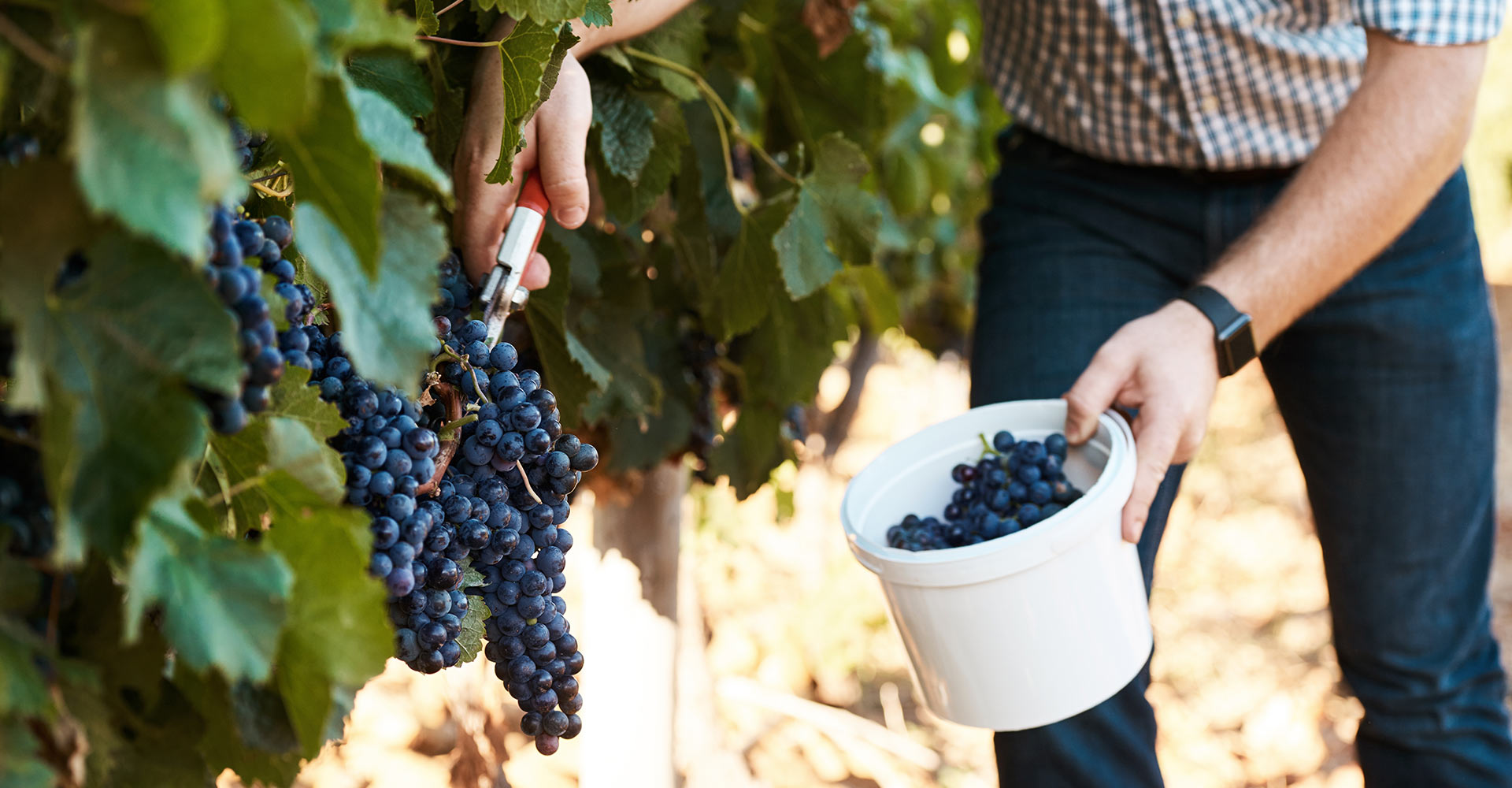
Field / Vineyard Worker — pruning, trellising, harvesting. A proper outdoor apprenticeship.
-
Cellar Hand (Harvest Intern) — the best single way to learn winemaking. Expect long hours, lots of hose-wrangling, and near-religious devotion to cleanliness. It’s mostly manual but invaluable experience.
-
Lab roles & Enologist — for the scientifically inclined. If you like pH, ABV and tidy spreadsheets, this is your playground.
-
Winemaker / Director — creative decisions, blending, barrel programs and the job where you get blamed or praised for the wine.
Pro tip: Work multiple harvests, spend time in the lab and taste constantly. Pair practical experience with formal study (WSET, Plumpton or a degree) and you’ll bridge the competency chasm.
Production — Wine Production Career Matrix
|
Role Title |
Key Responsibilities |
Typical Salary Range (GBP) |
Essential Skills & Qualifications |
|---|---|---|---|
|
Field Worker |
Pruning, trellising, irrigating, harvesting vines |
£20,000 – £28,000 |
Physical fitness, agricultural experience, able to work outdoors in all conditions |
|
Vineyard Manager |
Oversees vineyard operations, staff, budgets; coordinates with winemaker |
£30,000 – £55,000+ |
Leadership, viticulture knowledge, communication and management skills |
|
Viticulturist |
Scientific monitoring of vine health, pests, soil and nutrition |
£33,000 – £65,000 |
Degree in viticulture/agricultural science, strong analytical skills |
|
Cellar Hand / Worker |
Sorting grapes, cleaning equipment, monitoring fermentations, barrel work, bottling |
£26,000 – £30,000 |
Hardworking, physically fit, attention to detail, willingness to learn |
|
Lab Manager / Enologist |
Manages winery lab; chemical & microbial analysis; quality control |
£35,000 – £55,000+ |
Degree in enology/chemistry/microbiology; meticulous and analytical |
|
Cellar Master |
Manages cellar operations; supervises cellar team |
£40,000 – £60,000+ |
Extensive cellar experience, leadership, organisational skills |
|
Assistant Winemaker |
Supports winemaker; manages staff and daily production operations |
£28,000 – £48,000 |
Production experience, growing scientific & sensory skills, management ability |
|
Winemaker / Oenologist |
Oversees winemaking from harvest to bottle; blending and stylistic decisions |
£35,000 – £75,000+ |
Extensive experience, degree in oenology/viticulture, refined palate, leadership |
|
Winemaking Director |
Executive oversight of production across brands/facilities |
£100,000+ |
Senior winemaking & management experience, strong business acumen |
Commercial pathway: sell the story, move the pallets
Commercial roles are less romantic but essential — and often better paid once you climb the ladder. Roles include:
-
Sales rep — territory-based, autonomous, lively. Your car is your office.
-
Distributor / Importer roles — from warehouse managers to national accounts directors.
-
Brand & marketing — tell the winery’s story, run tastings, manage DTC channels.
Compensation models vary: large distributors offer stability; smaller specialists often give higher upside on commission and a portfolio you actually care about. Choose on whether you prefer certainty or a bit of hunger-driven hustle.
Commercial & Sales Career Matrix
|
Role Title |
Key Responsibilities |
Typical Salary Range (GBP) |
Essential Skills & Qualifications |
|---|---|---|---|
|
Sales Merchandiser |
Stocks shelves, builds displays, supports sales reps in retail accounts |
£24,000 – £30,000 |
Physically fit, organised, reliable; good entry-level role |
|
Account / Sales Representative |
Manages territory; presents portfolio; secures orders; builds relationships |
£25,500 (entry) – £49,000+ (senior) |
Strong wine knowledge (WSET recommended), sales skills, resilience, self-motivation |
|
District / Sales Manager |
Manages a team of reps; sets territory targets; key account oversight |
£40,000 – £70,000+ |
Proven sales success, leadership and strategic thinking |
|
Warehouse Manager |
Oversees warehouse operations, inventory, shipping & receiving |
£35,000 – £55,000+ |
Logistical expertise, organisational and management experience |
|
VP of Sales / Sales Director |
Executive leadership of sales function; sets national strategy & targets |
£80,000 – £120,000+ |
Extensive sales & management experience, strong commercial and financial acumen |
Hospitality pathway: front of house, heart of the sale
For people who love people (and polished glassware), hospitality is where wine meets joy. Key roles:
-
Sommelier — more than a wine waiter; you design lists, train staff, manage cellars and elevate dining experiences. Certification from the Court of Master Sommeliers (CMS) is the gold standard for fine dining roles.
-
Retail — from shop floor to buyer. Independent merchants often offer faster routes into buying and curation.
Be warned: restaurant life can be exhausting. Many top sommeliers move into education, sales or brand ambassadorship later on. It’s a brilliant career accelerator.
Hospitality & Retail Career Matrix
|
Role Title |
Key Responsibilities |
Typical Salary Range (GBP) |
Essential Skills & Qualifications |
|---|---|---|---|
|
Server / Bartender |
Front-line service; basic wine recommendations |
Varies with tips / tronc. Trainee sommelier roles ~ £44,000 – £46,000 (tronc inclusive) |
Basic wine knowledge, service skills; CMS Level 1 a plus |
|
Sommelier |
Curates wine list, trains staff, manages cellar, guest service |
£30,000 – £55,000+ (inc. tronc) |
CMS Level 2 or higher common; deep wine knowledge and service excellence |
|
Wine / Beverage Director |
Oversees beverage programmes for restaurants or hotels |
£60,000 – £100,000+ |
Advanced certification (CMS Advanced/Master), extensive managerial & financial skills |
|
Retail Associate / Wine Clerk |
Customer service, stocking, point-of-sale |
£22,000 – £30,000 |
Good customer service, willingness to learn about wine |
|
Retail / Store Manager |
Manages store operations, staff, inventory, sales targets |
£25,000 – £40,000 |
Retail management experience, strong organisational skills |
|
Wine Buyer (Retail) |
Tastes and selects wines for a shop or chain |
£50,000 – £80,000+ |
Extensive tasting experience, negotiation skills, market knowledge (WSET often preferred) |
Ancillary careers: the unexpected fun bits
Not everyone wants to make, move or pour. The industry needs marketers, content creators, events managers, educators, tour operators and tech-savvy DTC specialists. Wine tourism and DTC are growth areas — if you love storytelling and guest experience, the tasting-room world is booming.
Education: which credential suits you?
-
WSET (Wine & Spirit Education Trust) — academic, wide-ranging, excellent for production, retail, marketing and distribution roles.
-
CMS (Court of Master Sommeliers) — intensely practical, service-focused and the go-to for ambitious sommeliers.
Both are valuable. Pick based on the role you want first, then pursue the other as you progress. Good credentials + harvests = career rocket fuel.
Three practical next steps (start today)
-
Do a harvest — even one season will teach you more than months of reading.
-
Get WSET Level 2 (or 3) — it’s a tradeable qualification employers respect.
-
Network relentlessly — attend tastings, join trade events, message reps on LinkedIn. The wine world runs on relationships.
Useful recruitment websites & resources
If you’re job-hunting in the UK wine industry, these specialist sites and recruitment agencies are a great place to start:
-
Wine Jobs UK — specialist job board for UK wine roles (production, sales, hospitality).
-
WSET Jobs Board — industry vacancies and training-related opportunities.
-
Nigel Wright Group — recruitment agency with drinks sector coverage.
-
Match Search — specialist recruiter focusing on wine, drinks and hospitality.
-
Vinokelly — recruiter with experience placing candidates across the drinks trade.
-
Fluid Fusion — recruitment specialists for food & drink roles.
-
LinkedIn — invaluable for networking and finding advertised roles; follow companies and recruiters in the sector.
If you’d like, I can turn that list into clickable links or a downloadable sheet.
Final glass: why it’s worth it
A career in wine is work, not a perpetual holiday. But for those who love craft, culture and a world that refuses to be dull, it’s a brilliant life. Whether you want to be knee-deep in compost during harvest, pore over lab results by day, or negotiate national listings by night, there’s a seat at the table. Expect hard graft, long hours and a steep learning curve — but also hands-on creativity, lifelong friendships and, yes, the occasional free tasting. If you’re curious, resilient and ready to learn, the industry will reward you with experience, stories and a career that never stops teaching.
About the author
Damon Segal — @wineguide101 wine lover, marketer and the voice behind WineGuide101. Damon combines decades in marketing with a passionate, down-to-earth approach to wine. WSET Level 2 (Merit).