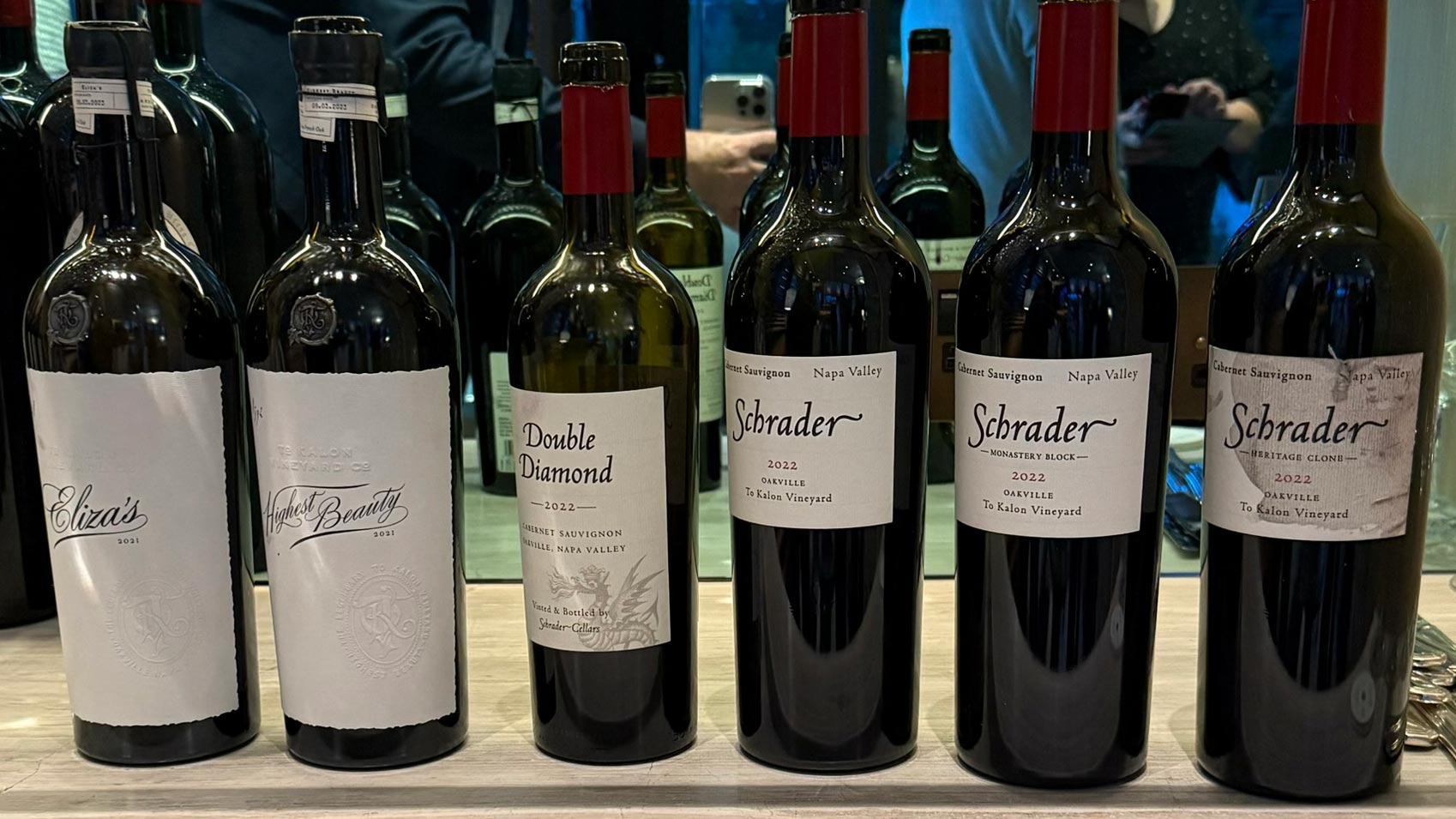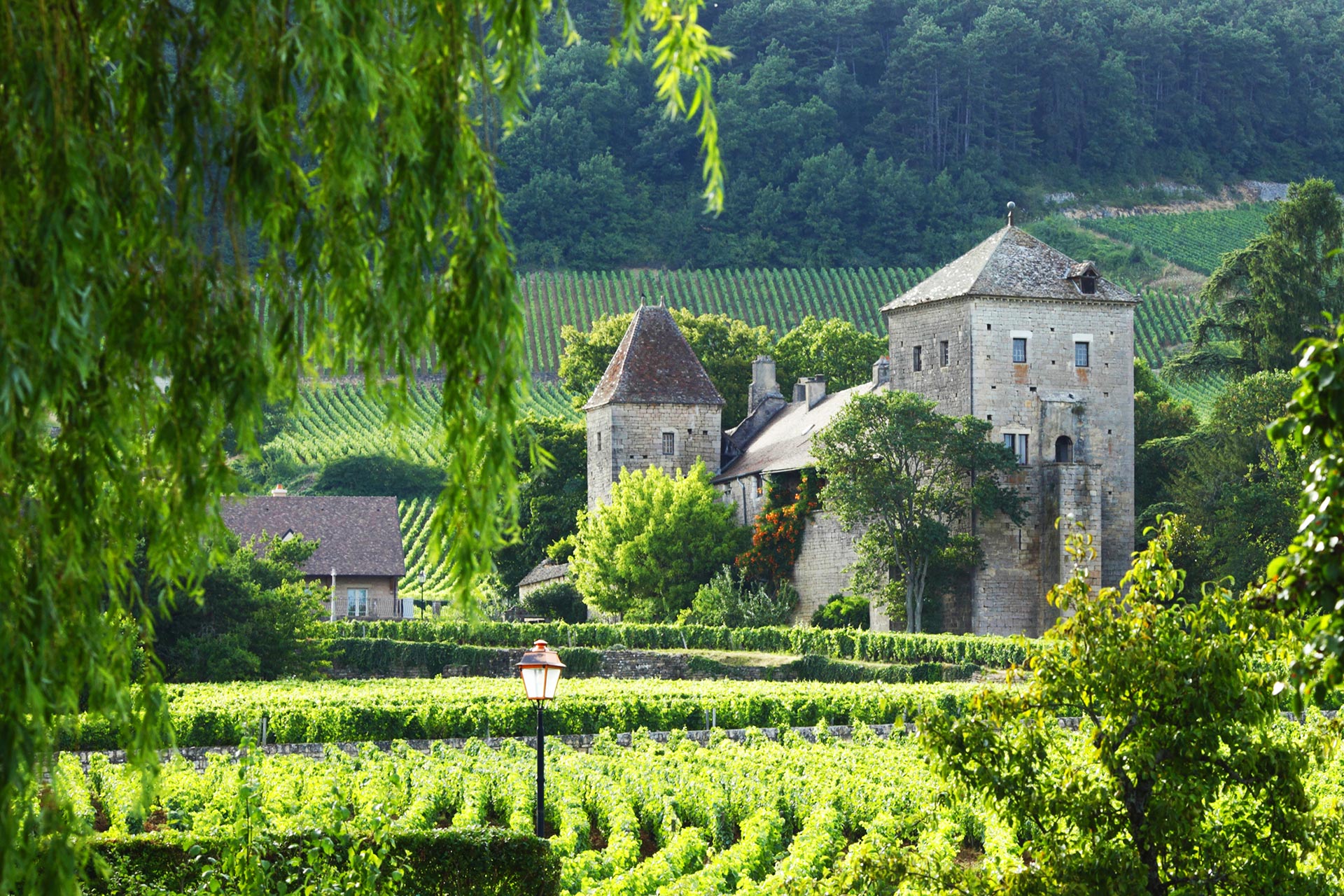
There was a time when dropping the name Burgundy or Napa made you sound knowledgeable. Now it mostly makes you sound expensive.
And possibly a bit stressed about your credit card bill.
Welcome to the new wine market.
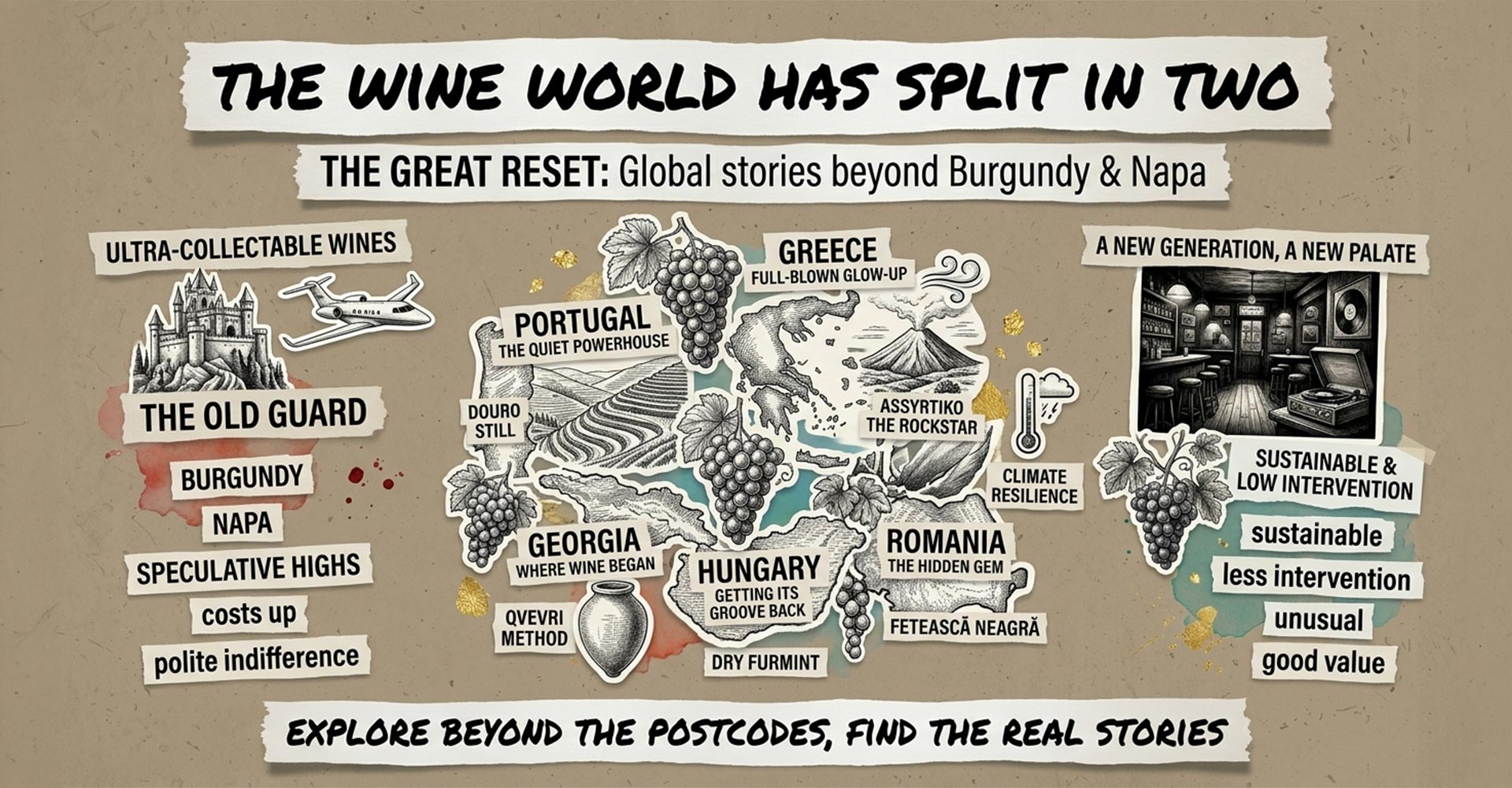
By 2026, we’re firmly in a two-tier world. At the top, a tiny slice of ultra-collectable wines continues to float around in its own tax bracket. Think DRC, Leroy, and friends. Magnificent, mythical, and about as accessible as a private jet.
Below that, something far more interesting is happening.
Wine lovers, sommeliers, and buyers are quietly moving on. Not dramatically. Just… slipping out the side door.
And they’re heading somewhere far more fun.
The Great Reset: Why the Old Guard Is Losing Its Grip
After the speculative highs of 2022, the wine world has had a bit of a lie down and a rethink.
Costs are up. Margins are tighter. And consumers have started asking awkward questions like, “Hang on… is this actually worth it?”
With production costs climbing by up to 20 percent, a lot of mid-tier wines from traditional regions now feel like they’ve missed the memo.
The result? The market has become ruthlessly good at sniffing out poor value. If a wine is overpriced, it doesn’t get debated. It gets ignored.
And nothing scares a producer more than polite indifference.
A New Generation, A New Palate
Millennials now dominate wine buying. Gen Z is joining the party, and they’ve brought curiosity with them.
They’re not particularly interested in being told what they should like. They’d rather discover it themselves, ideally in a slightly dimly lit wine bar with a playlist that makes you feel younger than you are.
They want wines that are:
- Sustainable
- Low intervention
- Slightly unusual, but not terrifying
They’re just as happy drinking a Greek orange wine as they are a Bordeaux. Possibly happier, especially if it comes with a story and doesn’t require a small loan.
Portugal: The Quiet Powerhouse (That’s Not Actually That Quiet Anymore)
If you’re not already paying attention to Portugal, you’re about five minutes away from being the last to know.
With over 250 indigenous grape varieties, it’s basically the wine world’s version of a secret cellar that someone forgot to lock.
The Douro: Not Just Port Anymore
The Douro has had a proper glow-up.
Once known almost entirely for Port, it’s now producing still wines that can go toe-to-toe with much pricier bottles. Same dramatic scenery, same hand-carved terraces, just without the need to explain why you’ve remortgaged your house.
Dão and Bairrada: For the Elegant Crowd
If you prefer finesse over full volume, these are your playgrounds.
- Dão gives you perfume, freshness, and a bit of restraint
- Bairrada has taken the once moody Baga grape and turned it into something genuinely charming
Filipa Pato is leading the charge here, proving that with a bit of care, even the most stubborn grape can become the life of the party.
Greece: Not a Comeback. A Full-Blown Glow-Up
Greek wine isn’t “emerging”. It’s already walked into the room, ordered confidently, and is now being asked where it’s been all this time.
Assyrtiko: The Salty Rockstar
From Santorini’s volcanic soils, Assyrtiko is sharp, mineral, and refreshingly unapologetic.
It’s one of those wines that makes you sit up a bit straighter. Like a cold sea breeze in a glass.
Think Chablis… but with a tan and slightly better stories.
Xinomavro: Greece’s Answer to Barolo (With a Twist)
Xinomavro doesn’t try to be easy. It’s structured, high in acid, and develops flavours that sound like a deli counter having an existential moment.
Tomato leaf, olive, spice… and somehow it all works.
Give it time, and it becomes something seriously impressive. Rush it, and it will remind you who’s in charge.
Georgia: Where Wine Began, and Still Does Its Own Thing
Georgia has been making wine for 8,000 years, which is roughly 7,900 years longer than most trends last.
The Qvevri method, fermenting wine in clay vessels buried underground, isn’t new. It just feels new because the rest of the world has finally caught up.
The wines are textured, complex, and occasionally a bit wild.
- Saperavi brings bold, inky reds with real presence
- Rkatsiteli, especially in amber form, delivers something that sits somewhere between wine, tea, and a philosophical conversation
Not always easy. Always interesting.
Hungary: Quietly Getting Its Groove Back
Hungary has moved well beyond its sweet wine stereotype.
Dry Furmint is now leading the charge. Crisp, mineral, and versatile, it can shift styles depending on where it’s grown and who’s making it.
Then there’s Eger, where Bull’s Blood has had a much-needed rebrand. Less rustic punch, more polish and finesse.
And Somló… a tiny volcanic outcrop producing whites that taste like they’ve been through something and come out stronger for it. Smoky, savoury, and just a bit defiant.
Romania: The One Everyone Will Pretend They Discovered First
Romania is one of those regions people talk about quietly… until suddenly they don’t.
Its star grape, Fetească Neagră, is ticking all the right boxes.
Structure of Cabernet, spice of Syrah, smoothness of Merlot. It’s like the greatest hits album, but with a slightly different accent.
Quality has improved massively over the past two decades, and the rest of the world is finally catching on.
If you want to get ahead of the curve, this is a good place to start before it becomes everyone’s favourite “hidden gem”.
The Climate Factor: Not Just Dinner Table Chat
There’s also a bigger shift happening in the background.
Climate change is putting traditional regions under real pressure. Heat, drought, unpredictable weather. Not ideal for consistency.
Meanwhile, many of these lesser-known regions are better adapted, with indigenous grapes that can handle extremes without throwing a tantrum.
Less intervention. More resilience. And fewer panicked harvest decisions.
So, Where Does This Leave Us?
The wine world hasn’t fallen apart. It’s just stopped pretending everything needs to come from the same few postcodes.
Yes, the trophy wines will always exist. But for most of us, the real excitement is happening elsewhere.
Portugal. Greece. Georgia. Hungary. Romania.
These aren’t substitutes anymore. They’re where the stories are.
And if you’re willing to explore just a little, you’ll find better value, more personality, and wines that actually make you want to talk about them.
Which, let’s be honest, is the whole point.
Cheers to getting slightly lost and enjoying it.