SHIFT IN GLOBAL WINE CONSUMPTION AND CULTURE
A transformation in wine drinking habits characterized by reduced volume but increased spending and selectivity.
- Global wine consumption declined by 3% in 2024, while market value rose to $191 billion.
- Younger generations (Millennials, Gen Z) drink less frequently and prefer other beverages or moderation.
- Casual, routine wine drinking is replaced by intentional, occasional consumption focused on quality.
- New formats (cans, smaller servings) and premium options cater to modern lifestyles and selective occasions.
There was a time when wine was simply… there.
A quiet companion to dinner. A reliable end-of-day ritual. A default setting rather than a decision.
That time is slipping away.
The global wine industry isn’t just having a wobble. It’s going through a proper identity shift. What used to be habitual is now intentional. What used to be routine is now reserved.
Wine, quite clearly, is becoming an occasional luxury.
The Curious Case of Drinking Less but Spending More
Let’s start with the numbers, because they’re doing most of the talking.
In 2024, global wine consumption dropped by 3%. At the same time, the total value of the market grew to around $191 billion.
So people are drinking less… but paying more when they do.
That’s not a contradiction. It’s a recalibration.
The old habit of opening a bottle because it’s Tuesday is fading. In its place is a quieter question: is this worth it?
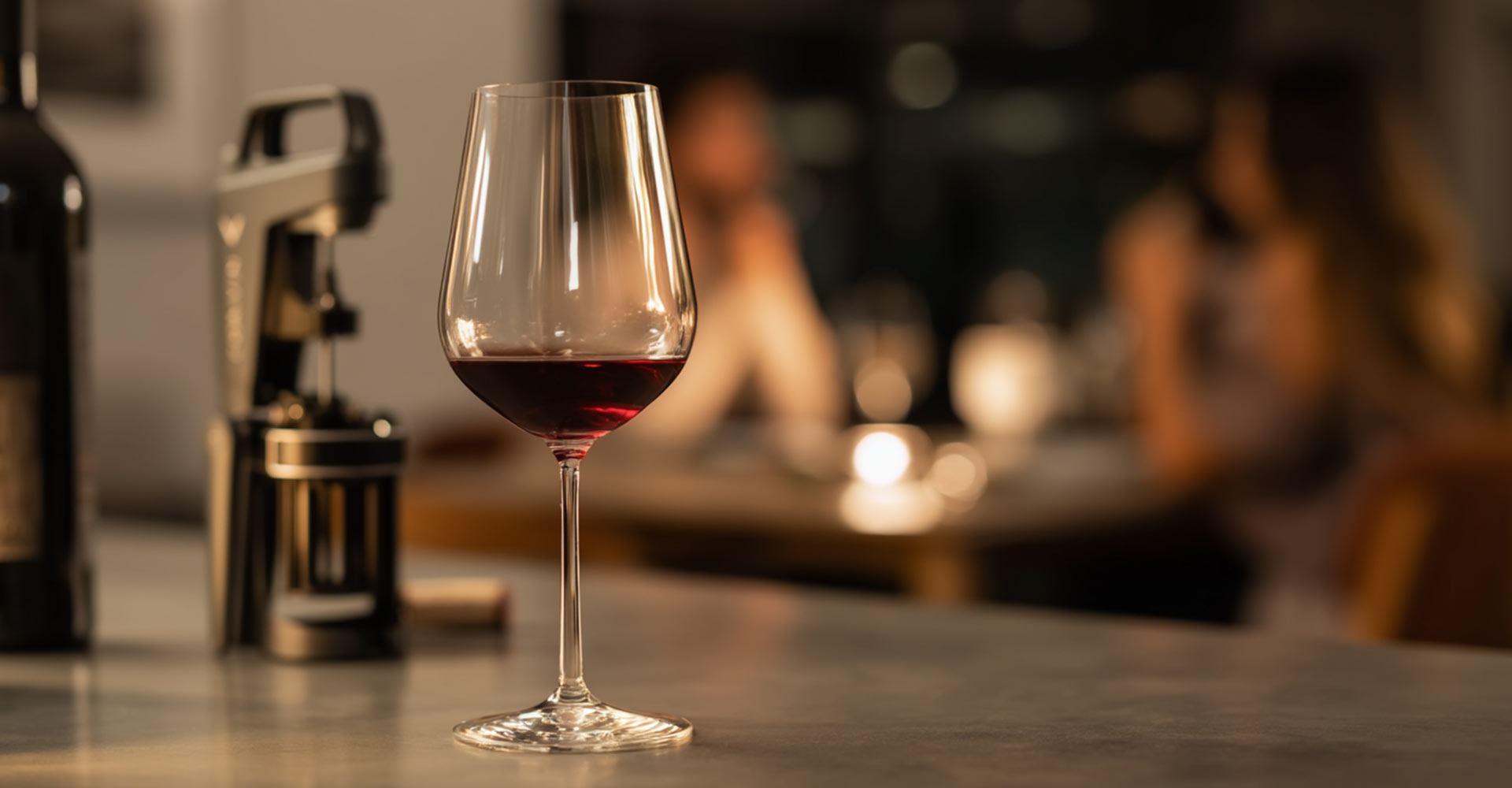
Personally, I’ll still Coravin a better glass on a Tuesday, but just the one, which rather sums up the shift.
And when the answer is yes, the bottle tends to be better.
Cheaper, everyday wines are taking the hit. Premium wines are holding steady. Not exploding, just quietly doing their job.
Fewer glasses. Better ones. Less autopilot, more intent.
The Generational Plot Twist
For years, wine had a dependable audience. Baby Boomers kept things ticking along with reassuring regularity.
That safety net is shrinking.
Millennials are now the largest wine-drinking group. Sounds promising. Comes with a catch.
They don’t drink like their parents.
Gen X, somewhere in the middle, are the bridge. More consistent than Millennials, less habitual than Boomers. I’m firmly in that camp. Comfortable with wine, still loyal to it, but far more selective about when and what I drink.
Millennials explore, switch, question, and quite often just don’t bother. They switch. They question. And quite often, they just don’t bother.
A fair number openly prefer other drinks. Cocktails are clearer. Spirits feel simpler. The experience is more obvious.
Wine, by comparison, can feel like homework.
Labels that read like riddles. Regions you’re expected to know. Descriptions that occasionally sound like someone got carried away in a poetry workshop.
If you need a backstory before you take a sip, you’ve already lost a few people.
Gen Z takes it a step further. They’re curious, but they’re also measured. Health matters. Moderation matters. The idea of drinking just because everyone else is doing it… less appealing.
For them, wine isn’t the default. It’s a considered choice. And sometimes, it doesn’t make the cut.
The Death of the “House Pour”
The biggest shift isn’t happening in vineyards or cellars. It’s happening at home.
The casual glass with dinner is quietly disappearing.
In the UK, most adults still drink wine. But very few reach for it after work or on a date. Those everyday moments that once belonged to wine are now wide open.
Cocktails have moved in. Ready-to-drink options have made themselves comfortable. Alcohol-free alternatives are no longer an afterthought.
Wine hasn’t disappeared. It’s just become selective.
Where it still wins is when something matters.
Dinner with friends. A celebration. A moment that deserves a bit of attention.
In those situations, wine isn’t competing. It’s leading.
From background noise to headline act.
When a £7 Bottle Becomes a £15 Decision
Then there’s the small matter of cost.
In the UK, duty changes and inflation have nudged up the entry price. What used to be a decent £8 bottle now sits closer to £12 or £15.
That changes behaviour.
At the lower end, very little of what you pay actually goes into the wine, often well under £1 of the bottle price. Move up the ladder, and suddenly a meaningful chunk of what you’re spending is actually in the glass. Move up the ladder, and suddenly more of your money is in the glass rather than around it. You can see this in action with our handy calculator.
Consumers are working this out.
So instead of three average bottles, they’re buying one good one.
Less often. Better choice.
Not a sacrifice. More of a correction.
The Rise of the Thoughtful Drinker
Alongside all of this sits a cultural shift that’s hard to ignore. People are rethinking their relationship with alcohol, with health, sleep, energy and clarity now part of the decision rather than an afterthought the next morning. The sober curious movement isn’t fringe anymore, it’s mainstream behaviour dressed in slightly better branding, and moderation is becoming the norm. Wine, once a daily ritual, now has to earn its place. People still want the ritual, the glass, the pause, they’re just choosing when it matters.
Restaurants Already Got the Memo
If you want a glimpse of where things are heading, look at restaurants.
People are ordering differently.
Fewer full bottles. More premium glasses. This is where Coravin comes into its own.
More curiosity. More scrutiny.
Less blind trust.
Guests are checking prices, comparing options, and making deliberate choices. Sommeliers are adapting, offering broader by-the-glass lists and focusing on experience over volume.
Wine is no longer the automatic add-on. It has to justify itself. And at 2–4x markup, that’s not always an easy sell, particularly when the wines I’d actually want to drink are the ones staring back at me from the top of the list.
Reinventing the Bottle (Sometimes Literally)
As habits change, so does the format.
Cans. Smaller serves. Lighter packaging.
Not everyone wants to commit to a full bottle midweek. But a single glass or a small format? That’s an easier yes.
These formats also fit modern life better.
Picnics. Festivals. Travel.
Wine is learning to show up where people actually are, rather than expecting a table, a corkscrew, and a plan.
So, Is This a Problem or an Evolution?
Depends how you measure success.
If it’s all about volume, then yes, there’s a decline, and I do think that’s a bit of a problem. It’s a shame more people aren’t finding the enjoyment in wine. But it’s also clearly an evolution.
Wine has been part of human culture for millennia. It’s not going anywhere. Trends come and go, habits shift, but wine has a habit of finding its way back into fashion.
If it’s about value, engagement, and relevance, something more interesting is happening.
Wine isn’t fading. It’s repositioning.
From everyday habit to considered choice.
From background presence to centre stage.
And arguably, that’s where it’s always been at its best.
Final Thought
Wine doesn’t need to be everything, every day.
It just needs to be right, at the right moment.
If the industry leans into that, focusing on quality, clarity, and experience, it won’t just ride this shift.
It’ll benefit from it.
Because a well-chosen bottle, opened for the right reason, was always the point.