Somewhere between luxury, mythology, and financial madness sits the modern cult wine market.
There’s expensive wine, and then there’s “someone just spent half a million dollars on a bottle of Burgundy” expensive.
At the very top of the wine world, logic quietly exits through the cellar door.
Collectors queue for years to access mailing lists. Billionaires battle over microscopic vineyard plots at auction. Tiny wineries producing only a few hundred bottles annually become more financially valuable than established luxury brands with global reach.
And the strange thing is, once you spend enough time around serious collectors, it all starts to make a peculiar kind of sense.
Because cult wines aren’t really about drinking anymore.
Not entirely.
They’re about scarcity.
The modern fine wine market now behaves less like hospitality and more like high finance mixed with psychology, art collecting, and a touch of beautifully irrational obsession. These bottles are traded, allocated, speculated on, and occasionally consumed by people with either enormous disposable income or dangerously optimistic accountants.
At the centre of this world sit a handful of names spoken with near-religious reverence: Le Pin, Domaine de la Romanée-Conti, Domaine Leroy, Liber Pater, and Screaming Eagle.
All different.
All extraordinary.
All built on the same simple economic reality.
Tiny vineyards producing impossibly small amounts of wine.
Le Pin: The Bordeaux Accident That Became a Legend
One tiny Pomerol estate changed the rules of luxury wine forever.
Le Pin was never meant to become one of the world’s most expensive wines.
When Jacques Thienpont bought the small Pomerol vineyard in 1979, there was no grand château, no aristocratic history, and certainly no expectation that collectors would one day pay over $10,000 a bottle for top vintages.
What followed was partly skill, partly timing, and partly accident.
Without elaborate cellar infrastructure, Le Pin developed a softer, more seductive style than traditional Bordeaux. Plush Merlot fruit, silky tannins, and intensely perfumed aromatics made it feel radically different from the stern, structured wines dominating the Left Bank.
Then Robert Parker awarded the legendary 1982 vintage 100 points.
That was effectively lift-off.
Today Le Pin produces only around 500 to 700 cases annually. Some years aren’t made at all if quality fails to meet expectations.
Earlier this year, while overlooking Le Pin from nearby Petit-Village, the scale of it became almost surreal. From a distance, the vineyard looks improbably small for something carrying such enormous cultural and financial weight. Petrus sits nearby almost watching over it, which somehow makes the whole thing feel even more absurd. Some of the world’s most expensive wines are separated by little more than a quiet road and a few rows of vines.
That physical perspective changes how you think about scarcity. You stop viewing these wines as abstract luxury objects and start realising just how tiny the supply genuinely is.
That refusal to compromise is precisely why collectors obsess over it.
Scarcity is the entire point.
And Le Pin proved something the wine world hadn’t fully grasped before:
Tiny production plus critical acclaim creates a different kind of luxury altogether.
Burgundy: Where Wine Becomes Obsession
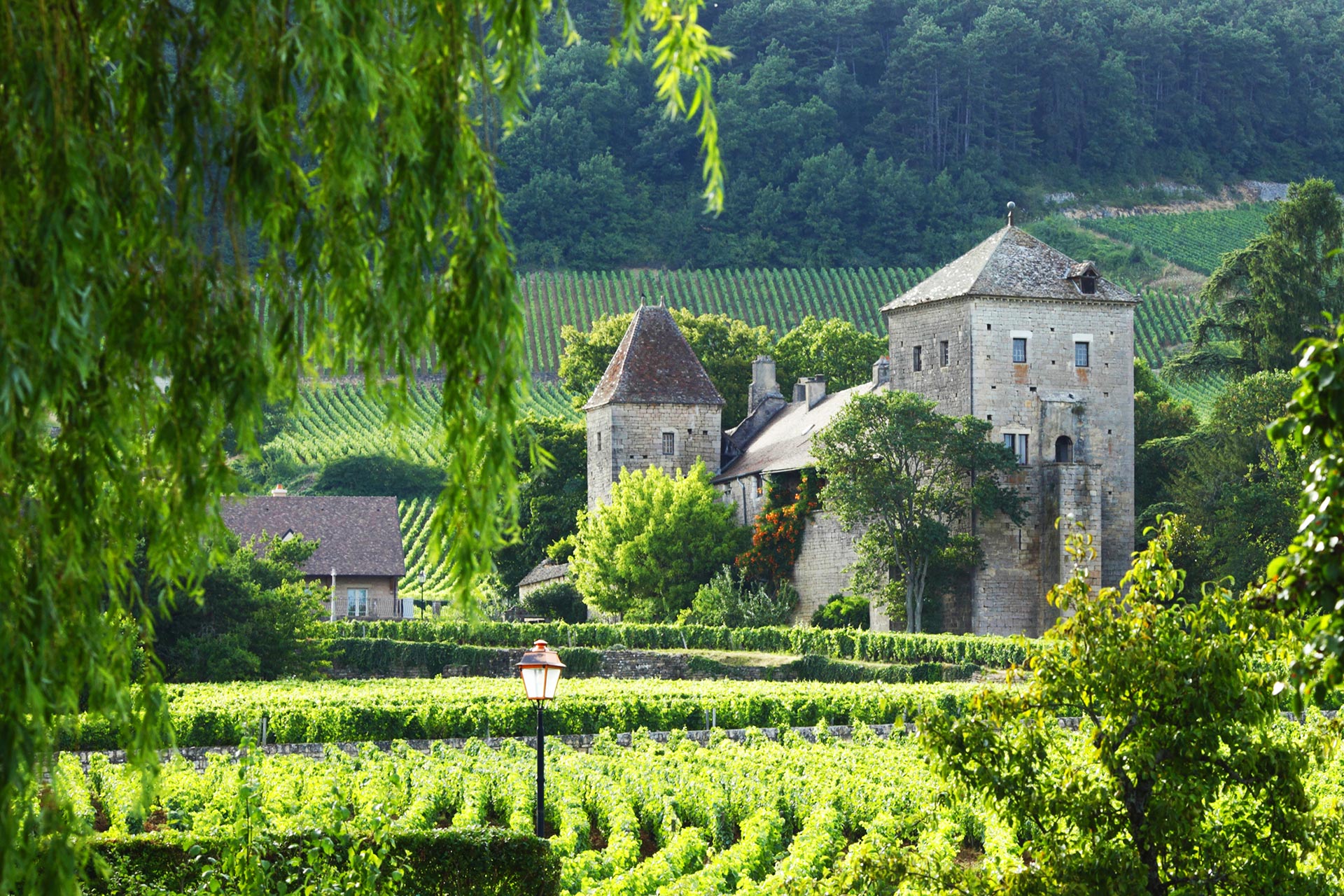
In Burgundy, scarcity isn’t marketing. It’s geography.
If Bordeaux perfected luxury wine, Burgundy perfected obsession.
Everything here is smaller.
The vineyards. The yields. The margins for error.
And nowhere embodies that madness more than Domaine de la Romanée-Conti.
The famous Romanée-Conti vineyard covers just 1.8 hectares. Smaller than many supermarket car parks.
Yet from this tiny patch of land comes one of the most sought-after wines on earth.
Average prices now sit comfortably above $20,000 per bottle, while rare vintages have sold for extraordinary sums at auction. One bottle of 1945 Romanée-Conti famously reached over $500,000.
Which is impressive for something entirely dependent on weather.
Part of Burgundy’s mystique comes from how difficult it is to fully understand. Collectors spend decades obsessing over tiny vineyard plots, soil variations, vine age, and microscopic differences between producers.
To outsiders, it can sound faintly absurd.
To Burgundy lovers, it’s the entire appeal.
And then there’s Domaine Leroy.
Lalou Bize-Leroy has become one of wine’s most uncompromising figures, producing wines in microscopic quantities under strict biodynamic farming methods. Her Musigny Grand Cru now trades north of $50,000 per bottle.
Collectors don’t simply buy these wines because they’re exceptional.
They buy them because almost nobody else can.
Economists call this the Veblen Effect, where rising prices actually increase desirability.
The wine world simply calls it allocation season.
The Burgundy Story Collectors Still Talk About
Lalou Bize-Leroy accidentally turned humble Bourgogne into liquid gold.
One of Burgundy’s greatest stories arrived in the difficult 2004 vintage.
Unhappy with quality levels, Lalou Bize-Leroy declassified significant amounts of elite vineyard fruit into a supposedly simple Bourgogne Rouge.
To normal drinkers, that sounded disappointing.
To experienced collectors, it sounded like discovering truffles hidden inside instant noodles.
Auction prices later exploded once buyers realised the wine secretly contained fruit from some of Burgundy’s greatest vineyard sites.
It perfectly captured one of fine wine’s strangest truths:
The story around the bottle often becomes just as valuable as the wine itself.
Liber Pater and the Theatre of Scarcity
The world’s most controversial wine might also be its boldest.
If Burgundy represents inherited mythology, Liber Pater represents deliberate myth-making.
Loïc Pasquet’s tiny Bordeaux project attempts to recreate pre-phylloxera claret using ungrafted vines, forgotten grape varieties, and historical farming methods.
Production is microscopic.
Some vintages yield only a few hundred bottles globally.
Release prices hover around £30,000 per bottle.
Critics remain divided. Some see genius. Others admire the ambition more than the actual wine.
But almost everyone agrees on one thing:
Nobody else is doing anything remotely similar.
And uniqueness has become one of the most powerful currencies in luxury wine.
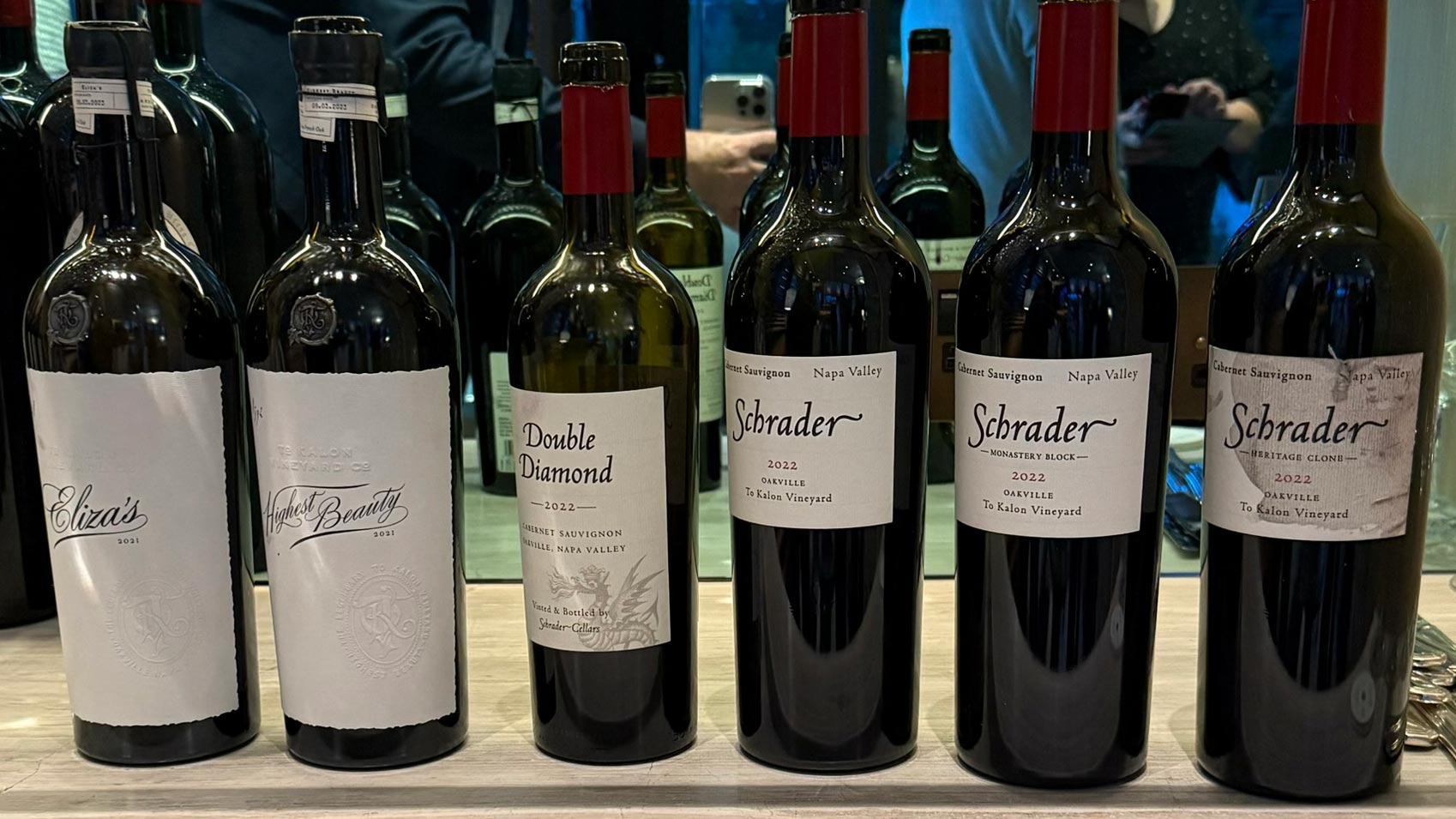
Screaming Eagle and America’s Cult Wine Revolution
Napa Valley understood luxury branding faster than almost anyone.
For all Europe’s historic grandeur, California arguably mastered modern cult wine economics more efficiently.
Screaming Eagle emerged during the 1990s and rapidly became Napa Valley’s defining cult Cabernet.
The formula was brilliantly simple:
- tiny production
- near-perfect critic scores
- highly restricted allocations
- enormous scarcity
Collectors fortunate enough to access the mailing list could buy bottles at release prices.
Everyone else faced the secondary market, where prices promptly became absurd.
Today Screaming Eagle regularly trades between $3,000 and $4,000 per bottle.
Not because excellent Napa Cabernet is rare.
There’s plenty of it.
But because scarcity plus prestige creates its own gravitational pull.
At a certain level, luxury stops behaving rationally.
That’s true whether you’re discussing wine, watches, or handbags people treat more carefully than family members.
Why Rare Wines Become Financial Assets
At the highest level, wine becomes less about flavour and more about exclusivity.
The fascinating thing about cult wines is that they’re not necessarily hundreds of times better than excellent bottles costing a fraction of the price.
The jump from a superb £100 bottle to a £10,000 bottle is rarely linear in sensory terms.
The difference is scarcity.
And scarcity behaves powerfully in luxury markets.
Unlike art or jewellery, wine disappears when consumed. Every bottle opened permanently reduces global supply.
That shrinking availability drives long-term value, particularly for iconic vintages from tiny estates.
For investors, it’s irresistible.
For collectors, it’s intoxicating.
For spouses discovering auction invoices, occasionally catastrophic.
Meanwhile, classic Bordeaux names like Château Lafite Rothschild, Petrus, Château Margaux, and Château Latour still dominate broader collector desire globally.
Burgundy may dominate auction headlines, but Bordeaux remains the backbone of traditional fine wine collecting.
That split has created two distinct luxury markets:
- Bordeaux behaving increasingly like stable blue-chip investment stock
- Burgundy and cult wines behaving more like speculative art
Both attract extraordinary money.
Just slightly different psychology.
Final Thoughts: When Wine Stops Being Just Wine
The world’s rarest bottles reveal as much about human behaviour as terroir.
At some point, cult wines stop functioning as agricultural products.
They become mythology.
A bottle of Le Pin, Romanée-Conti, Liber Pater, or Screaming Eagle represents far more than flavour alone.
It represents rarity.
Exclusivity.
History.
Narrative.
Status.
And perhaps most importantly, access to something most people will never experience.
That’s why collectors remain endlessly fascinated by these wines.
Because somewhere between economics, obsession, craftsmanship, and scarcity, the world’s greatest cult wines become more than beverages.
They become liquid symbols of luxury itself.
Which is either wonderfully romantic or completely ridiculous.
Possibly both.