From Simple Sips to Structured Sips
At first, wine is just delicious – a Friday night companion or a toast at weddings. But for those of us who find ourselves swirling with intent and googling ‘why does my wine smell like petrol?’, a deeper journey begins. Advanced wine tasting is where passion meets precision, where enjoyment meets education. It’s less about liking the wine and more about understanding it – where it’s from, how it was made, and why it tastes the way it does.
Advanced tasters – whether sommeliers, educators, or curious enthusiasts – develop structured, repeatable methods to decode what’s in the glass. This article is your ultimate guide to mastering that craft.
Section 1: Systematic Tasting – Making Sense of Sensory Overload
Why structure matters: Like a good novel, every wine tells a story – and the best way to read it is systematically. Subjective enjoyment is lovely, but for quality analysis, you need a framework.
WSET SAT: The Wine & Spirit Education Trust’s Systematic Approach to Tasting is like a tasting grid with superpowers. It breaks tasting into Appearance, Nose, Palate, and Conclusions. Each component is dissected:
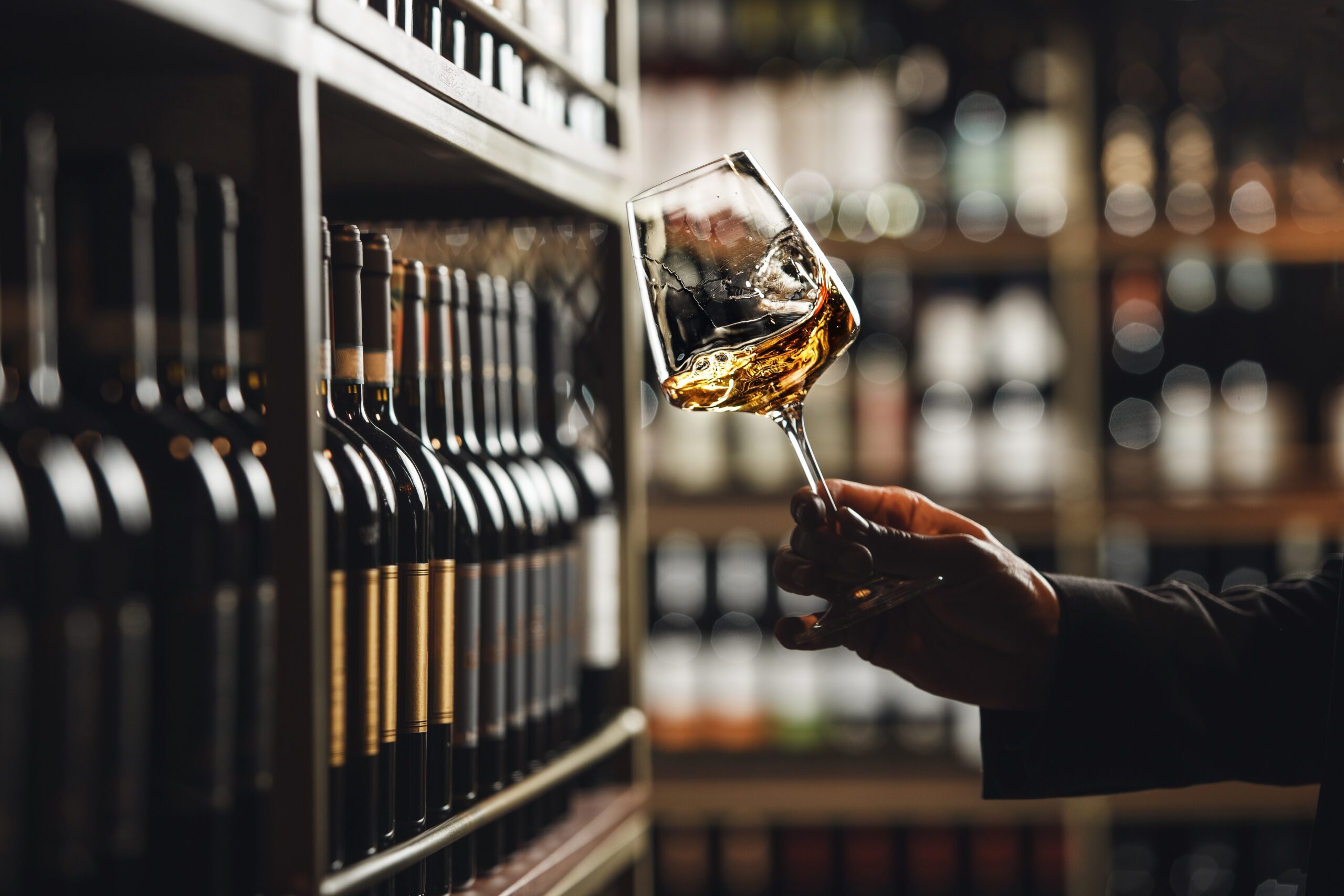
- Appearance: Clarity, intensity, colour nuances.
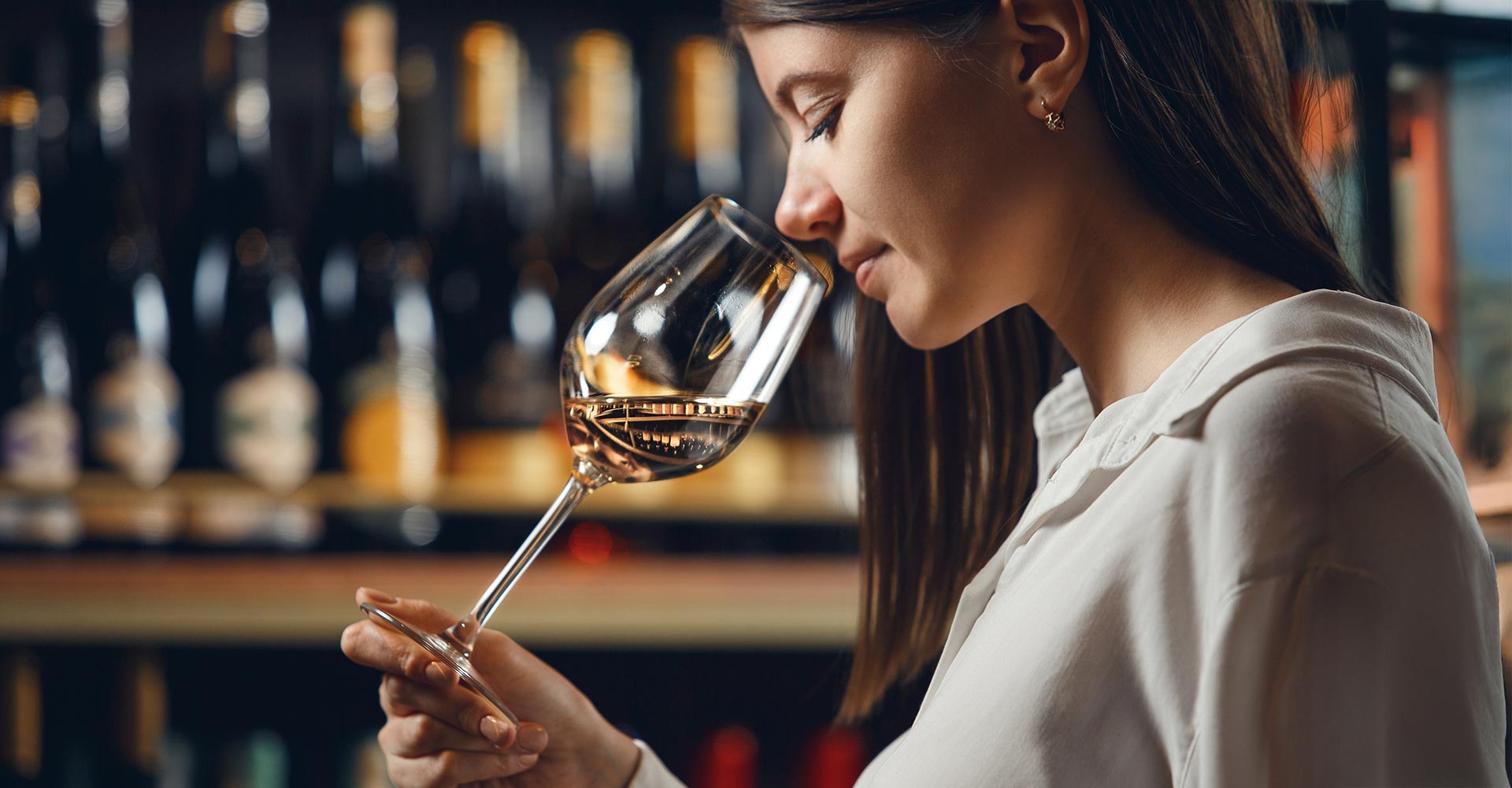
- Nose: Is it clean? What’s the aroma intensity? Can you tell the primary (fruit, floral), secondary (yeast, oak), and tertiary (age-related) aromas apart?
- Palate: Acidity, tannin, alcohol, body, flavour intensity, finish.
- Conclusion: Is it balanced? Complex? Long? Age-worthy?
CMS Deductive Tasting: The Court of Master Sommeliers trains palates to identify the wine’s identity – variety, country, region, vintage – often under pressure. It’s a high-speed Sherlock Holmes approach. It sharpens your ability to recognise typicity.
Takeaway: WSET builds your descriptive and evaluative muscle. CMS turns you into a wine detective. Use both to become a true tasting ninja.
Section 2: Faults – When Wine Fights Back
Not all aromas are welcome. Some wines smell like damp cardboard, burnt matches, or worse – and that’s when faults come into play.
Key wine faults:
- TCA (Cork taint): Musty, wet dog – a tragedy.
- Oxidation: Flat, sherry-like when it’s not meant to be.
- VA (Volatile acidity): Nail polish remover, vinegar.
- Reduction: Rotten egg or rubber if severe, gunflint or matchstick if mild (which some people love).
- Brett (Brettanomyces): From Band-Aids to horse stables – divisive but sometimes considered charming in moderation.
Pro tip: Context is key. A fault at one level may be complexity at another. Your job? Detect, judge, and explain.
Section 3: Terroir – Earth, Wind, Fire (and Rain)
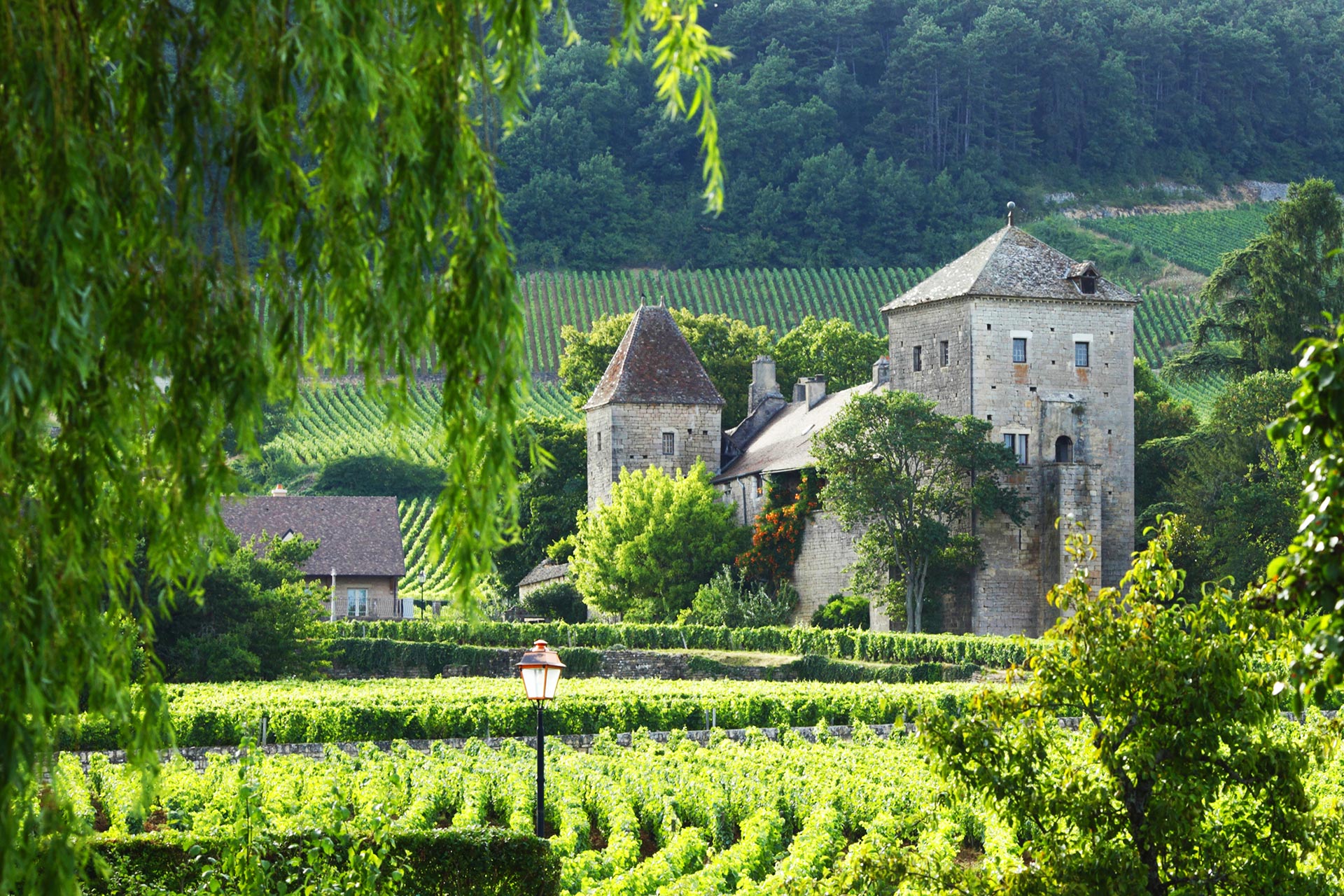
Terroir is more than just a posh French term. It’s everything that makes a wine taste of place.
Key components:
- Soil: Clay retains water; sand drains fast. Limestone often equals high acid. Volcanic = smoky minerality.
- Climate: Cool = high acid, delicate fruit. Warm = ripe fruit, higher alcohol.
- Topography: Slope direction and elevation change everything – from sunshine to drainage.
Taste the place: The flint of Chablis, the iron of Barolo, the herbal kick of Napa Cab. Learning terroir is about recognising how geography expresses itself through grapes.
Section 4: Vintage Variation – The Mood Swings of Mother Nature
Weather changes everything. Grapes aren’t grown in labs – they suffer (or thrive) depending on the year.
Key influences:
- Spring frosts: Can decimate yields.
- Rain near harvest: Dilutes fruit, encourages rot.
- Heat waves: Rush ripening; think baked fruit and high alcohol.
Tasting clues:
- Cool year = high acid, tart fruit, maybe herbal.
- Warm year = soft acid, plush fruit, higher alcohol.
Vertical tastings: Trying different vintages of the same wine shows how years imprint character. This is terroir in real-time.
Section 5: The Winemaker’s Signature – Decisions, Decisions
Beyond nature, there’s nurture. Winemakers are like conductors, orchestrating fermentation, maceration, oak use, and more.
Key techniques:
- Yeast choice: Ambient = wild and risky; commercial = controlled.
- Fermentation temp: Cool = bright fruit; warm = extraction.
- Maceration: More skin contact = more tannin, colour, flavour.
- Oak: New vs old, French vs American, light vs heavy toast – all change the outcome.
- MLF (Malolactic fermentation): Buttery Chardonnay? That’s MLF at work.
- Lees aging: Adds creaminess, nuttiness, and body.
Your job as taster: Detect these layers and reverse-engineer the process.
Section 6: Ageing – Bottled Time Travel
As wine ages, it changes – sometimes gloriously, sometimes not.
Tertiary characteristics:
- Red wines: leather, dried fruit, forest floor.
- Whites: honey, nuts, petrol (hello, Riesling!).
Structural shifts:
- Tannins soften.
- Acidity feels more integrated.
- Fruit fades, complexity rises.
Knowing the signs: Youthful vs developing vs fully mature. A good taster spots the stage and predicts the next.
Section 7: Training Your Palate – The Wine Gym
It’s not enough to drink a lot. You’ve got to taste with intention.
Training tools:
- Aroma kits: Teach your nose what “blackcurrant leaf” or “eucalyptus” actually smell like.
- Calibration exercises: Add lemon juice (acidity), vodka (alcohol), tea (tannin), and sugar (sweetness) to neutral wines.
- Comparative tastings: Same grape, different regions or vintages. Or one wine, oaked and unoaked.
Tip: Structured notes = faster progress. Practice describing intensity, texture, balance, and finish.
Section 8: Putting It All Together – The Final Assessment
Now comes the synthesis. You’ve sniffed, swirled, and sipped. It’s time to judge.
The BLIC framework:
- Balance: Are the components working in harmony?
- Length: Do the flavours linger?
- Intensity: Is the wine shy or bold?
- Complexity: Are there layers? Does it evolve in the glass?
Typicity: Does the wine reflect its grape and region? Or is it wearing someone else’s clothes?
Conclusion: Wine tasting at this level is equal parts science, art, and storytelling. Each bottle becomes a puzzle – one you learn to solve with a combination of knowledge, experience, and a sharp palate.
Final Thoughts
Advanced wine tasting isn’t elitist – it’s empowering. The more you understand, the more you appreciate. Every swirl becomes a story, every sip a chapter. And once you’ve tasted knowledge, there’s no going back to blindly drinking.
So here’s to nuance, structure, and the never-ending pursuit of vinous wisdom.
Swirl responsibly.