Wine isn’t just for drinking. It’s for thinking. And sometimes, for investing. Forget Bitcoin, fine wine has quietly been outperforming markets for decades. Since 1988, the Liv-Ex Investables index has clocked a handsome 10% annual growth rate—proof that Bordeaux can age better than most pension funds.
In this guide, we’ll explore how to build a wine portfolio that’s not only profitable but also enjoyable (because life’s too short to lock away every bottle). We’ll break it down into three budget tiers—sub £10,000, £10,000–£25,000, and £25,000+—and help you decide whether you’re investing purely for returns or sneaking in a few bottles for your own glass.
Why Wine? (Other than the obvious)
When the 2008 financial crisis had stock markets nosediving 40%, the fine wine index slipped a mere 10%. Wine doesn’t track bonds, shares, or your crypto misadventures—it dances to its own rhythm. Add to that its limited supply (people keep drinking it, after all), and you’ve got an asset class that’s tangible, tasty, and a surprisingly effective inflation hedge.
In short: wine = stability + scarcity + a hint of smugness.
The Rules of the Game
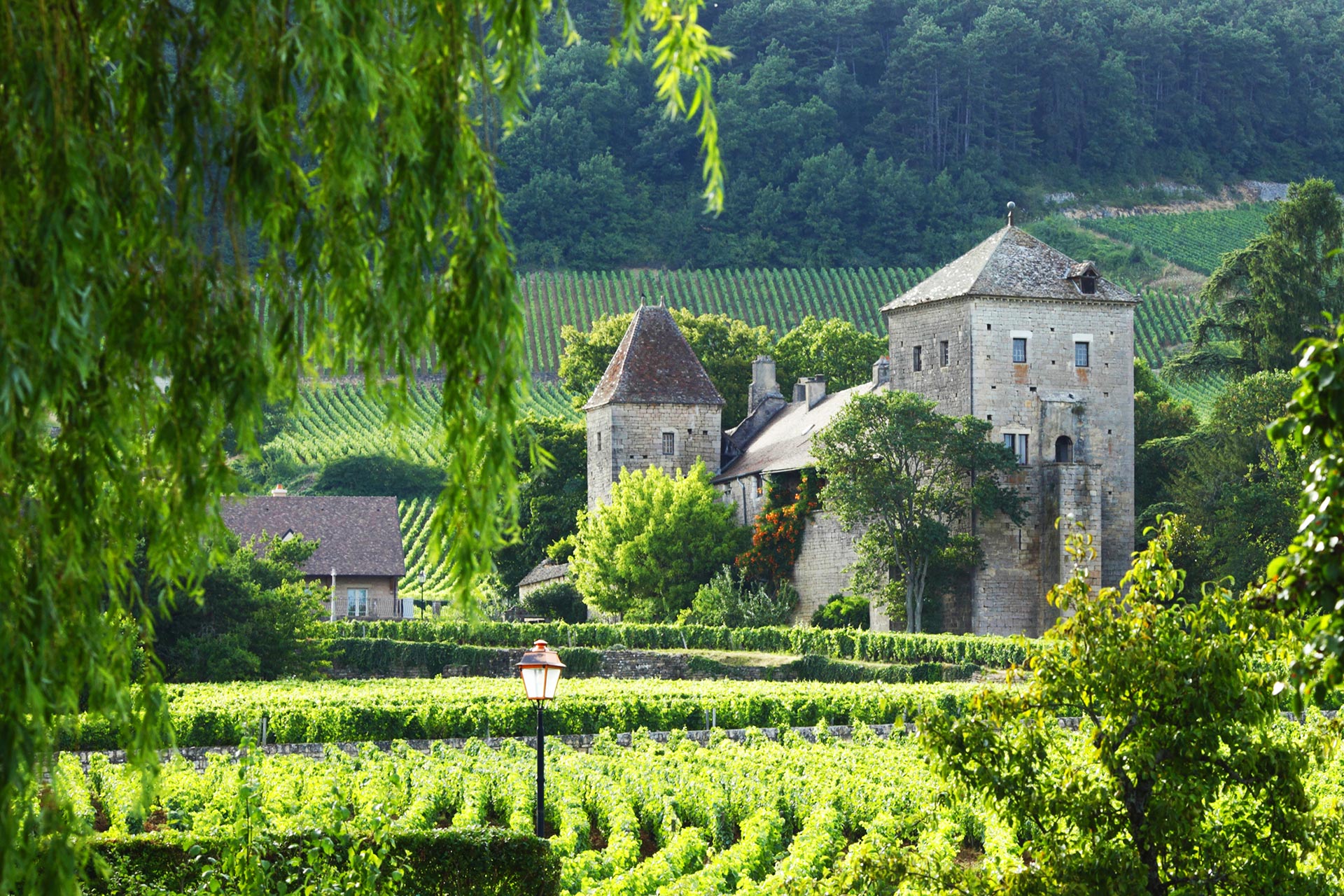
- Diversify, darling. Don’t put all your grapes in one basket. Bordeaux is solid, Burgundy is scarce, Tuscany is hot, and Napa is glamorous. Spread the love.
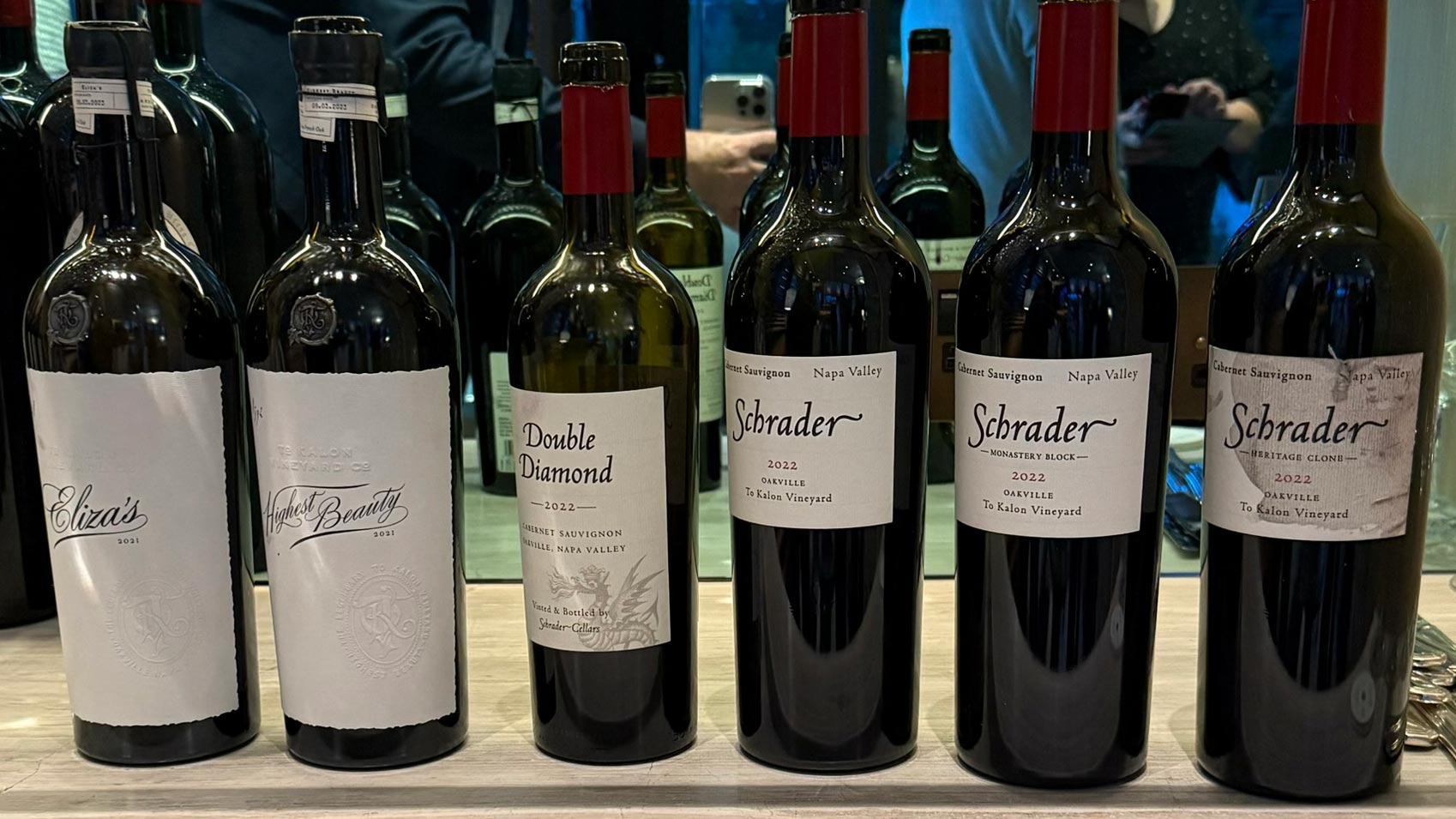
- Quality trumps quantity. Stick to investment-grade bottles—wines that critics swoon over and collectors fight for. Look out for high critic scores (95+), strong vintage reputations, rarity of release, proven track record of appreciation, and solid provenance records before buying.
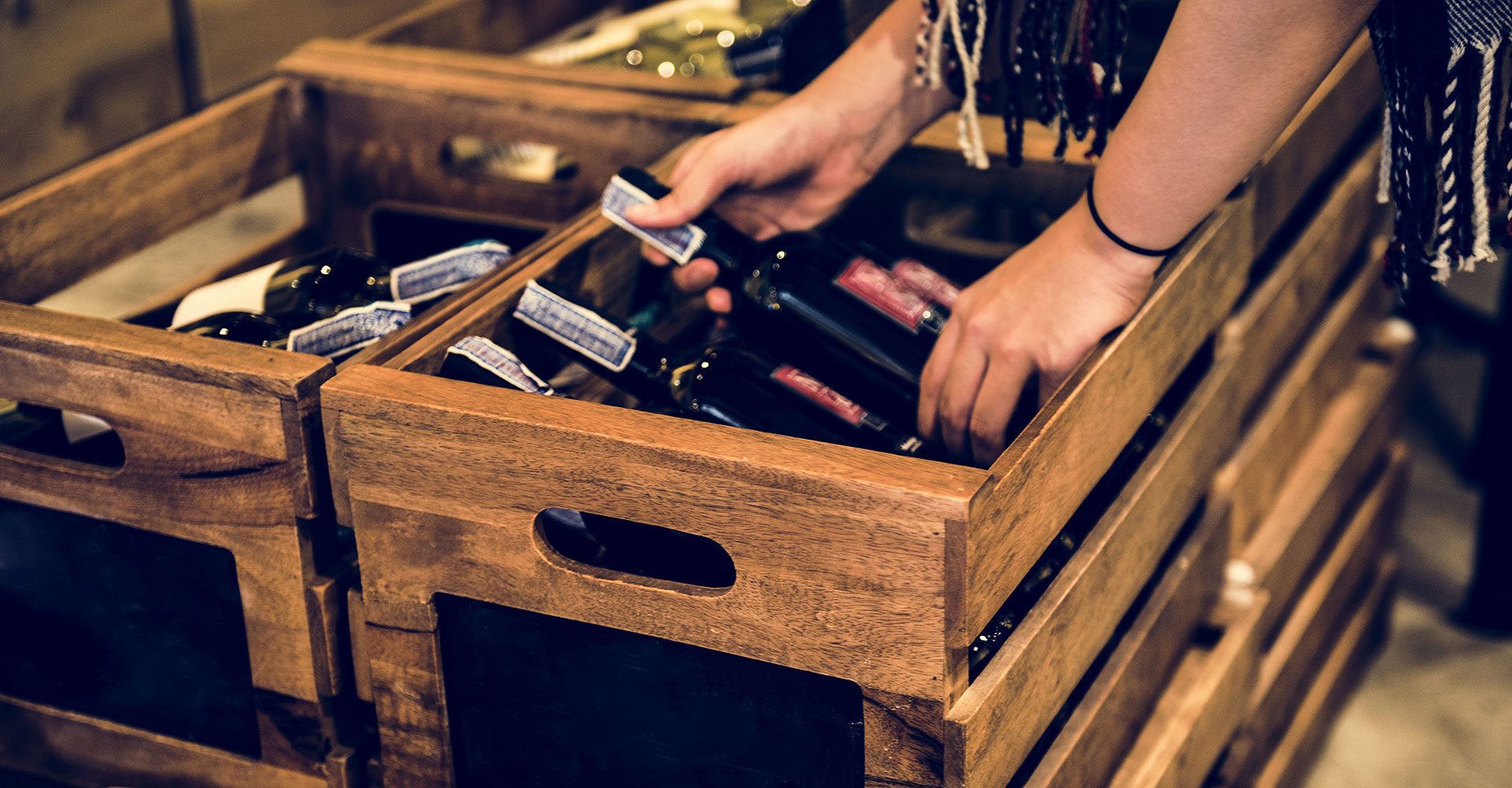
- Provenance is everything. If you don’t know where it’s been stored, you don’t know what you’re drinking (or selling). Bonded warehouses beat Uncle Nigel’s garage every time.
- Patience required. Forget short-term flips. Wines usually peak 5–20 years in. Think marathon, not sprint.
The Three Portfolios
🥂 Sub £10,000
- Investment Only: Forget filling a cellar. Dip into fractional platforms like Vint or wine funds for diversification without breaking the bank. En Primeur Bordeaux can be tempting, but in today’s market it’s riskier and less attractive than it once was—so approach with caution and do thorough research before committing. If Bordeaux feels too sluggish right now, consider shifting focus to regions showing stronger momentum like Burgundy (scarcity-driven), Champagne (steady long-term growth), or Italian icons (Tuscany and Barolo holding steady).
- Investment & Drinking: Mix a couple of blue-chip bottles with “Super Seconds” and Italian bargains you can actually uncork. Add in a Champagne or two for fizz and flexibility, or even a Rhône up-and-comer to spice things up. Suggested picks? Château Pichon Baron or Léoville Barton for Bordeaux, Sassicaia or Tignanello for Italy, Bollinger or Louis Roederer for Champagne, and Guigal’s Côte-Rôtie for Rhône value. The goal is variety that pleases both your palate and your future wallet. Balance ROI with RIO (Return on Indulgence).
🍾 £10,000–£25,000
- Investment Only: Now you can spread your wings. Think Grand Cru Burgundy, Prestige Champagnes, and Italian icons. At this level, you can comfortably start exploring verticals of producers like Domaine Dujac or Comtes de Champagne, and invest in top Italian Super Tuscans such as Ornellaia alongside Sassicaia. Work with reputable brokers who know their Lafite from their Latte and who can secure hard-to-get allocations.
- Investment & Drinking: Vertical tastings become an option—multiple vintages of the same wine to drink some, hold others. Perfect for showing off at dinner parties, or simply deepening your appreciation of how wines evolve. With this budget you can enjoy a mix of First Growth Bordeaux nearing maturity, mature Champagnes for instant pleasure, and Burgundies to lay down.
🍷 £25,000+
- Investment Only: Full diversification, rare vintages, maybe even a Screaming Eagle if you’re lucky. Think Petrus, Domaine de la Romanée-Conti, or Krug Clos du Mesnil. This is also where branching into rare Rhône or collectible spirits like Japanese whisky can add extra sparkle. Engage the big dogs like Cult Wines or RareWine Invest for bespoke portfolio curation.
- Investment & Drinking: Build a legacy cellar that doubles as an appreciating asset and a source of extraordinary drinking experiences. One for you, one for the kids, one for auction. This tier allows you to plan epic tastings, stock multi-generational verticals, and open iconic bottles—Romanée-Conti, Château Margaux, or Salon Champagne—that provide both lasting memories and long-term value.
Hidden Costs (a.k.a. Where Your Returns Disappear)
- Storage: About £12 per 12-bottle case, per year.
- Insurance: £40–£80 per £10k of wine annually. Worth it, unless you’re fine crying into spoiled Burgundy.
- Auction fees and broker cuts: Up to 20%.
Moral of the story? Budget for the boring stuff.
Disclaimer
Note: The wines and producers mentioned are illustrative examples based on market reputation and historical performance. They are not financial advice or guaranteed investments—always do your own research and consult reputable merchants or advisors before buying.
Final Sip
Building a wine portfolio is part art, part science, part excuse to tell people you’re “in wine.” Stick to the golden rules—diversify, buy quality, insist on provenance, and use professional storage. Above all, don’t forget that unlike shares, wine can be shared. And sometimes, the best ROI is simply enjoying a great bottle with great company.