HISTORICAL EVOLUTION OF BORDEAUX WINE REGION
Bordeaux is a renowned wine region shaped by over two millennia of historical, political, and environmental influences that have established its global reputation.
- Founded as a Roman trading hub, initiating local viticulture with hardy grape varieties.
- English rule (1152-1453) expanded Bordeaux’s market through trade privileges and demand for claret.
- Dutch engineering transformed marshlands into prime vineyard areas, improving winemaking and trade.
- 18th-century wealth from global trade, including the triangular trade, funded Bordeaux’s prestige and infrastructure.
By the time you’re reading this, I’ll be in Bordeaux, visiting the wineries I’ve spent over 30 years drinking, which makes this trip feel a bit like finally meeting someone you’ve only known through reputation.
History fascinates me. I always find myself wondering what these vineyards, cellars, and château walls would say if they could talk, especially knowing the wines they’ve produced over centuries.
I had a similar feeling recently in a 900-year-old pub near where I live in the UK. That same sense of layers, stories, and time quietly sitting in the background. Bordeaux has that in abundance, just with better wine.
Bordeaux didn’t become the world’s most famous wine region by accident. It’s the result of two thousand years of clever positioning, lucky geography, and a fair bit of political drama.
This is a place where empires rose and fell, trade routes shifted, and somehow, through all of it, the vineyards kept going.
Let’s unpack how Bordeaux went from a muddy Roman outpost, and why it still dominates the fine wine world today to the global benchmark for fine wine.
It Started with the Romans (As It Often Does)
Before Bordeaux was Bordeaux, it was Burdigala, a Roman trading hub sitting neatly on the Garonne. Handy for shipping. Even handier for wine.
The locals, the Bituriges Vivisci, were importing Roman wine at a premium. Eventually, someone had the bright idea to stop paying and start planting.
Enter the Biturica grape. Hardy, adaptable, and likely an ancestor of Cabernet and Merlot. In other words, a very good early decision.
By the 2nd century, Bordeaux wasn’t just drinking wine. It was exporting it, particularly to Britain. A relationship that, as you’ll see, becomes quite important.
The English Turn Up and Change Everything
In 1152, Eleanor of Aquitaine married Henry II of England. Romantic? Perhaps. Commercially transformative? Absolutely.
Bordeaux suddenly had a direct line to the English market. And the English developed a serious thirst for claret.
To keep Bordeaux sweet, the crown handed out generous trade perks. Tax breaks, priority shipping, and rules that favoured Bordeaux wines over competitors upstream.
It wasn’t subtle. It worked.
For 300 years, Bordeaux thrived as England’s wine supplier. Politics driving profit, with vineyards happily along for the ride.
Back to France… and a Bit of a Hangover
When the French reclaimed Bordeaux in 1453, the party stopped.
The English market disappeared overnight. Trade slumped. Some locals even left for England rather than switch allegiance.
Then, just when things looked bleak, the Dutch arrived. Not with armies, but with engineering.
They drained the Médoc marshes, turning swamp into some of the best vineyard land in the world. Gravel soils, excellent drainage, perfect for Cabernet Sauvignon.
They also improved winemaking itself. Sulfur for preservation. Better shipping stability. New markets.
Quietly, efficiently, they reset Bordeaux’s future.
The Golden Age. Wealth, Wine, and an Uncomfortable Truth
The 18th century was Bordeaux at full throttle.
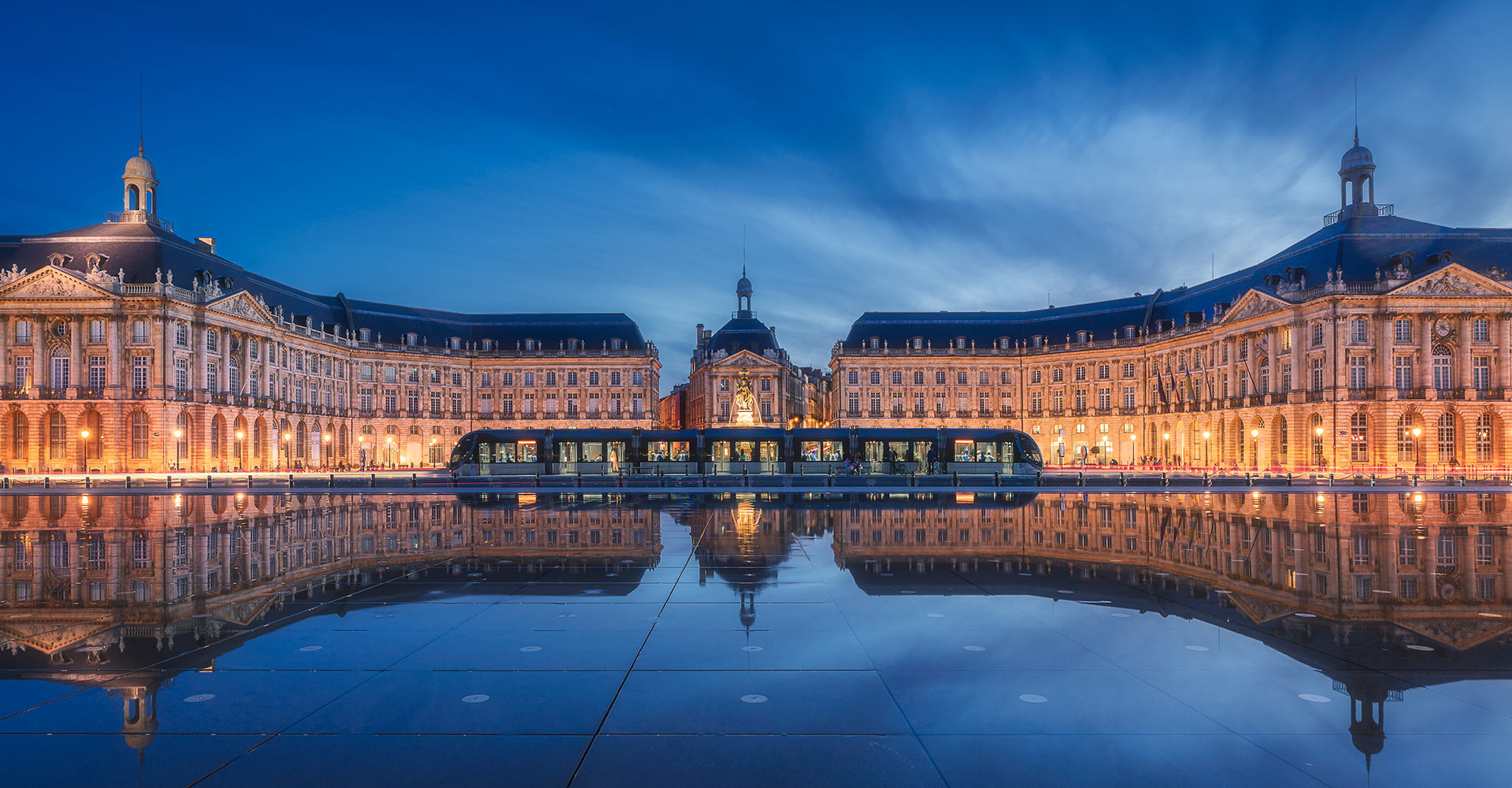
The port became one of the busiest in the world. Trade exploded. The city transformed into the elegant, honey-coloured showpiece we see today.
But let’s not gloss over it.
Much of that wealth came from the triangular trade, including slavery. Bordeaux merchants were heavily involved, and the profits reshaped the city.
Grand squares. Impressive façades. Iconic waterfronts.
Beautiful, yes. Built on a complicated past.
And that wealth didn’t just build buildings. It helped establish Bordeaux’s reputation as a premium product, laying the groundwork for the pricing power and prestige the region still commands today.
The 18th century was Bordeaux at full throttle.
The port became one of the busiest in the world. Trade exploded. The city transformed into the elegant, honey-coloured showpiece we see today.
But let’s not gloss over it.
Much of that wealth came from the triangular trade, including slavery. Bordeaux merchants were heavily involved, and the profits reshaped the city.
Grand squares. Impressive façades. Iconic waterfronts.
Beautiful, yes. Built on a complicated past.
The Irish Arrive and Build Wine Empires
Around the same time, Irish families fleeing political turmoil settled in Bordeaux. The “Wine Geese”.
Names like Barton, Lynch, and Kirwan still echo through the region today.
They didn’t just make wine. They sold it, marketed it, and kept Bordeaux firmly embedded in British and global markets.
Smart operators. Long-term thinkers. And clearly very good at choosing real estate.
1855: When Bordeaux Ranked Itself and Never Looked Back
Napoleon III wanted a showcase for the Paris Exhibition.
Bordeaux responded with the 1855 Classification.
Not based on tastings. Based on price. Which, in fairness, reflected reputation and consistency.
The result was a hierarchy that still shapes the wine world today.
Five First Growths. One upgrade in 1973. Otherwise, remarkably unchanged.
Imagine any other industry getting away with that.
Disaster Strikes. Then Strikes Again
Late 19th century. Phylloxera arrives. Vineyards across Europe are wiped out.
Bordeaux included.
The solution? Grafting onto American rootstock. A slightly humbling fix, but effective.
Then came fraud, economic downturns, war, and frost.
Each time, Bordeaux adapted.
The AOC system emerged to protect authenticity. Grape varieties shifted. Practices evolved.
It wasn’t smooth. But it worked.
War, Occupation, and a Remarkable Vintage
During World War II, Bordeaux briefly became France’s capital.
Then came occupation.
Estates were seized. Wine was requisitioned. Production was strained.
And yet, 1945 delivered one of the greatest vintages ever.
Sometimes history has a sense of timing.
The Modern Comeback
By the late 20th century, Bordeaux had a problem.
The city looked tired. Polluted. A bit forgotten.
Then came a major clean-up. Riverfront restored. Buildings cleaned. Public spaces reimagined.
The result? A UNESCO World Heritage city that finally looked as good as its reputation.
Today: Climate Change and What Comes Next
Now Bordeaux faces a different kind of challenge.
Warmer temperatures. Earlier harvests. Changing wine styles.
The response has been pragmatic.
New grape varieties approved. Sustainability pushed hard. Over 75% of vineyards now environmentally certified.
Bordeaux isn’t standing still. It never has.
Why This Matters (And Why You Can Trust This View)
Bordeaux isn’t just theory for me. It’s a region I’ve followed and drunk for over two decades, with a particular soft spot for Left Bank classics like Pauillac and Margaux, alongside some standout Right Bank discoveries over the years.
Bordeaux isn’t just theory for me. It’s a region I’ve followed and drunk for over two decades.
This is my first visit, which adds a different layer. It’s one thing knowing the wines, another seeing where they come from.
Wine is personal. Bordeaux just happens to come with 2,000 years of context behind every glass.
Final Thought
Bordeaux isn’t just a wine region. It’s a case study in survival.
Roman beginnings. English alliances. Dutch engineering. Global trade. War. Reinvention.
And through all of it, one constant remains.
The wine still matters.
And, more often than not, it’s still very, very good.