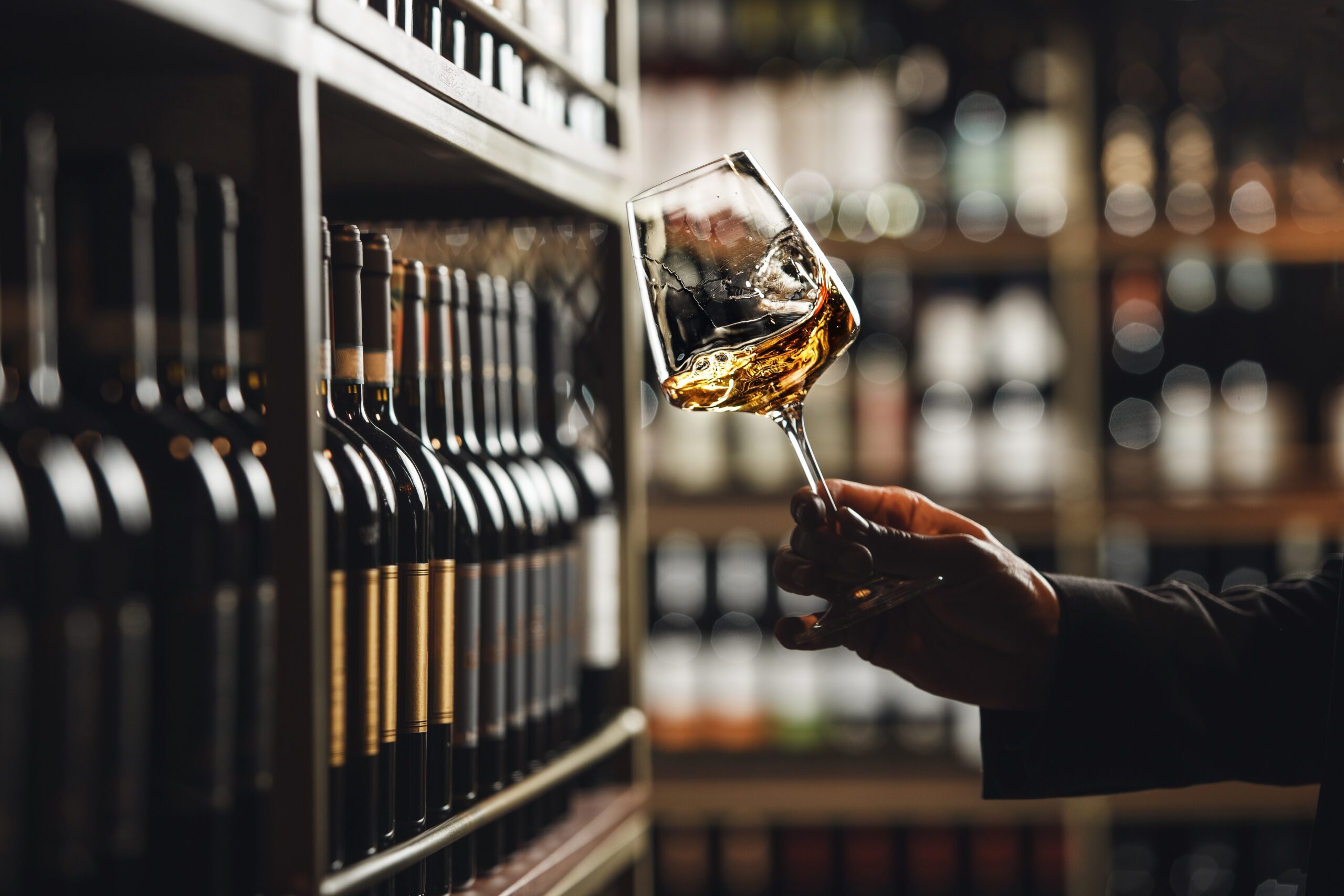
There’s a very satisfying moment when you Coravin a red straight from the wine fridge at 12ºC, pour it into a glass, and watch it climb towards 18ºC faster than a British person mentions the weather. In summer, that’s not a problem. For many reds, it’s the point.
The problem with “room temperature” red wine
For years, we’ve been told that red wine should be served at room temperature. This sounds sensible until you remember that “room temperature” was not invented in a modern kitchen with underfloor heating, three Labradors and a boiling pasta pan going.
Historically, room temperature meant somewhere closer to cellar temperature, roughly 12ºC to 15ºC. In other words, cool. Not fridge-cold, not ice-bucket-abuse cold, but pleasantly restrained. The sort of temperature where a red wine still has posture.
Modern rooms are often 18ºC to 22ºC, and in warm weather they can easily feel higher. Serve a red at that temperature and the fruit can become blurry, the alcohol more obvious, and the whole thing starts behaving like it’s wearing a velvet smoking jacket at a beach barbecue.
That’s why the wine fridge suddenly becomes useful for more than smug storage. Pouring a red at 12ºC, especially with a Coravin, is not some weird wine crime. In hot weather, it’s practical. By the time the wine has sat in the glass for a few minutes, it may already be heading towards 16ºC to 18ºC, which is ideal for many lighter reds.
Why warm red wine can taste clumsy
Temperature changes how wine smells and tastes. Warmer wine releases more alcohol vapour, which can push delicate fruit and floral notes into the background. Instead of cherry, raspberry, violet or spice, you get a little nasal blast of “hello, I’m 14.5%”.
It also changes texture. Warm red wine can feel softer, heavier and less focused. Acidity, which gives wine its freshness and shape, feels less lively. Tannins can seem broad and furry. The wine loses definition.
This is especially noticeable in summer. A big, warm red at a barbecue can be like turning up to a garden party in a tweed overcoat. Admirable commitment, wrong climate.
Lightly chilling the right red brings the fruit back into focus. It sharpens acidity, dials down alcohol heat and makes the wine feel more refreshing. You’re not trying to turn red wine into white wine. You’re just helping it stop shouting.
Which red wines should be chilled?
The best chillable red wines are usually lighter-bodied, lower in tannin, bright in acidity and fruit-forward. Think juicy rather than brooding. Fresh rather than chewy. The wine equivalent of a linen shirt, not a leather armchair.
Good styles include:
- Gamay, especially Beaujolais and lighter Cru Beaujolais
- Frappato from Sicily
- Schiava from Alto Adige
- Zweigelt from Austria
- Lighter Pinot Noir
- Young, fresh Grenache or Garnacha
- Cabernet Franc from cooler regions, when made in a bright, unoaked style
- Cinsault and Mencía, especially fresher versions
Gamay is probably the benchmark. A lightly chilled Beaujolais can be glorious: cherry, strawberry, a little violet, sometimes that playful bubblegum note from carbonic maceration. It’s red wine with its sleeves rolled up.
Frappato is another brilliant option. It’s pale, fragrant, gently spicy and ridiculously drinkable when cool. Schiava is even lighter, all redcurrant, alpine freshness and that slightly bitter almond finish. Zweigelt gives you juicy cherry with a little peppery snap.
Pinot Noir can work beautifully, but choose carefully. Fresh, unoaked or lightly oaked styles respond well to chilling. Heavier, expensive, oak-polished Pinot may sulk in the glass like it’s been asked to sit near the kitchen.
Which reds should not be served cold?
Not every red wants to be chilled. Big Cabernet Sauvignon, powerful Syrah, dense Malbec, heavily oaked Rioja, Amarone and very tannic Bordeaux generally don’t benefit from being served cold.
The reason is tannin. Tannins are the compounds that create that drying, grippy sensation in your mouth. Chill a highly tannic red too much and those tannins become harder, more bitter and more astringent. The wine can taste angular and joyless, like it’s been sent to boarding school.
Full-bodied reds usually prefer a gentle coolness rather than a proper chill. If your room is hot, give them 10 minutes in the fridge before serving. That can be enough to pull them back from flabby warmth without turning them into a punishment.
The 20-minute rule for red wine
A simple rule works well: put lighter reds in the fridge for 20 to 30 minutes before serving. If they’re already in a wine fridge at around 12ºC, pour them and let them come up slightly in the glass.
This is exactly where Coravin becomes rather handy. You can take a bottle from the wine fridge, pour a glass at 12ºC, and let the wine open as it warms. In hot weather, that climb happens quickly. A glass can move towards 18ºC faster than expected, especially outside or in a warm room.
That means the first sip is fresh and bright. The second and third start to show more aroma and texture. You get the wine’s journey in miniature, without committing the whole bottle to the summer heat.
The danger is over-chilling. Below about 10ºC, many reds lose aroma. Fruit gets muted, tannins sharpen and the wine can taste thin. You want cool, not comatose.
Why chilled red wine works so well with food
Chilled reds are incredibly useful at the table because they sit between white and traditional red wine. They have the freshness of white wine but the fruit and structure of red.
That makes them brilliant with barbecue food. Heavy tannic reds can clash with charred meat and smoky marinades, making everything taste bitter. A chilled Gamay or fresh Pinot Noir has enough acidity to cut through fat, but not so much tannin that it starts fighting the grill.
They’re also excellent with chicken, pork, charcuterie, tomato-based pasta, mushroom dishes, grilled vegetables and even richer fish like salmon or tuna. The old “red wine with fish is wrong” rule mostly applies when tannin and fish oils create metallic flavours. Low-tannin chilled reds avoid that issue beautifully.
A lightly chilled Frappato with tomato pasta? Lovely. Gamay with sausages? Yes please. Schiava with cured meats and cheese? Absolutely. Zweigelt with pork chops? Quietly excellent.
The commercial reason chillable reds are growing
This isn’t just a wine geek serving-temperature debate. Chillable reds have become commercially useful because they solve a real problem.
Consumers want freshness, but not everyone wants another glass of Sauvignon Blanc or rosé. Premium whites, especially famous names like Sancerre, have become more expensive, and some drinkers are looking for alternatives that still feel crisp, refreshing and food-friendly.
At the same time, the UK duty system now puts more pressure on higher-alcohol wines. Lower-alcohol reds under 13.5% ABV can be more attractive for retailers, restaurants and consumers. That makes lighter reds not just fashionable, but commercially sensible.
For restaurants, chillable reds are a summer red-wine lifeline. Red wine sales often soften in warm weather because people assume red means heavy. Serve the right red slightly chilled and suddenly it feels seasonal rather than stubborn.
For retailers, the opportunity is education. Most people don’t need a lecture on tannin-protein interaction while holding a shopping basket. They need a shelf note that says: “Serve lightly chilled for 20 minutes.” Sometimes wine communication really can be that simple.
The bottom line on serving chilled red wine
Chilling red wine is not a gimmick. It’s often a correction.
The old room-temperature rule made sense when rooms were cold. In modern homes, especially in summer, many reds are served too warm. Lightly chilling the right bottle restores freshness, sharpens fruit, softens alcohol heat and makes red wine far more enjoyable with food.
So yes, pouring from the wine fridge at 12ºC and watching the glass rise towards 18ºC is pretty much perfect for many reds. It gives the wine somewhere to go. It starts crisp, opens gently, and avoids that warm, flat, boozy finish that can make even a decent bottle feel like it needs a lie-down.
The trick is choosing the right wine. Keep the big tannic beasts away from the deep chill. Give the lighter, brighter reds a little fridge time. And remember: in hot weather, your wine fridge might be doing more than storing bottles. It might be saving dinner.