Remember when “cult wine” meant dusty Bordeaux, Napa unicorns, and the kind of claret that came with its own hedge fund manager? Fast-forward to 2025, and the map’s shifted east — not to where the headlines scream (sorry, Mainland China), but to two places most wine marketers couldn’t find on a globe until last week: South Korea and Taiwan.
Yes, folks — this is where the real wine action is happening.
Let’s unpack how two wildly different places are rewriting the rules of what makes a wine “cult” — and why your label might need to speak Korean or come with a LINE group invite. Spoiler alert: you might want to brush up on your Champagne small producers and Jura oxidation vocab, too.
South Korea: Flex Culture, Smart Apps, and Unicorn Wine by the Pickup Counter
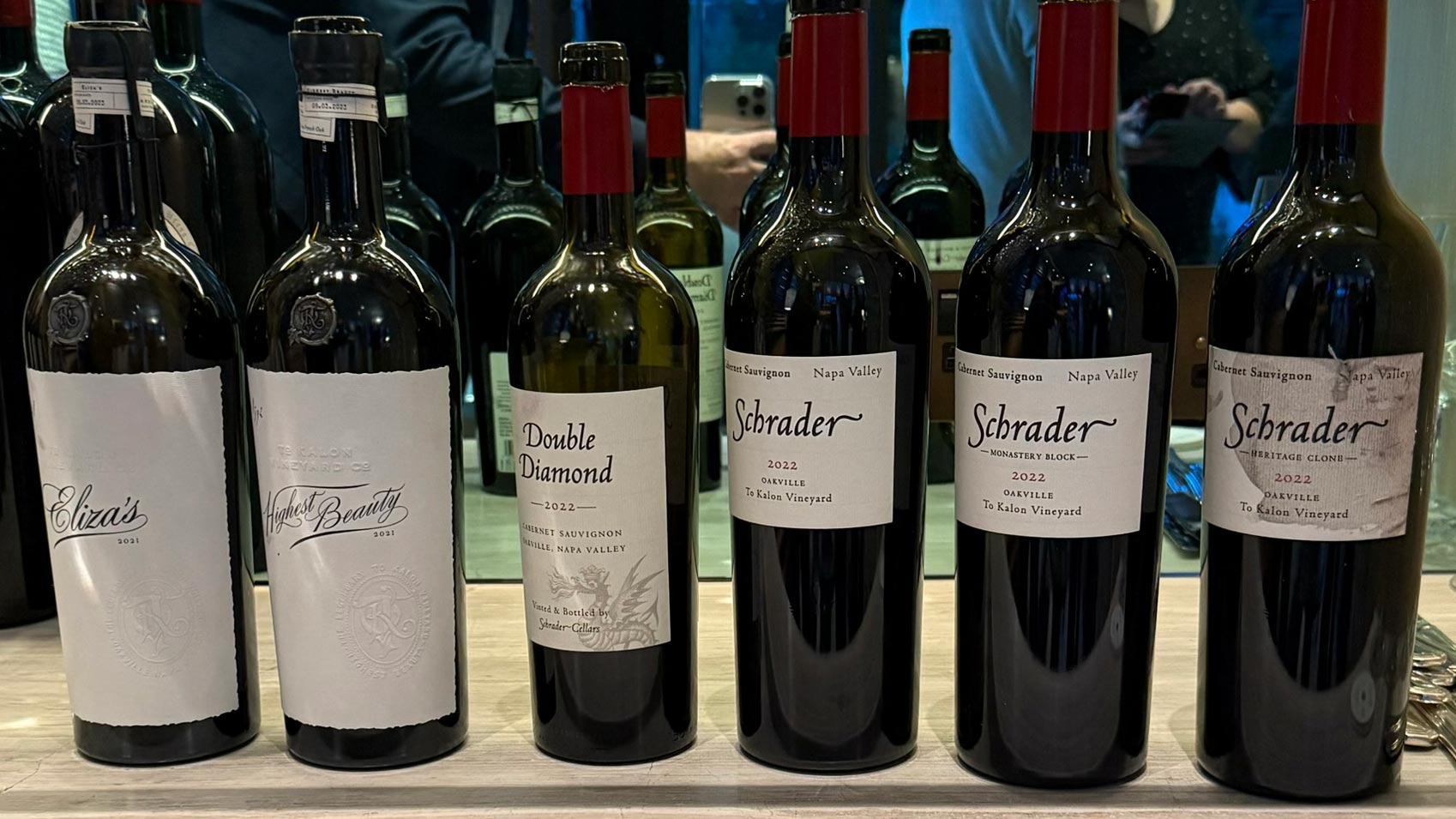
Seoul is having a moment. Again. But this time it’s not K-pop or skincare — it’s high-end Burgundy, Grower Champagne, and natural wines with labels that look like they were designed by a hipster fever dream. And they’re not hiding in dusty cellars. They’re chilling (literally) in convenience stores.
Here’s how it works:
- Order on an app.
- Pick up a rare bottle of Séléné from your local GS25 corner shop.
- Snap a pic for Instagram before you even uncork it.
Welcome to Smart Order Korea. Where millennials don’t just drink wine — they flex it. And if your bottle doesn’t look as good on the feed as it tastes in the glass, it’s probably going to be left on the shelf. Appearance is everything, darling.
But it’s not all posturing. The Korean palate has grown up fast. Red is still king — partly thanks to the whole “French Paradox” health halo — but Champagne is booming, and even oxidative whites are having a moment. The home-drinking “Homsul” trend means people are drinking better at home. Less peer pressure, more palate freedom. More room to explore that weird orange pét-nat that smells like a farmer’s boot and a summer peach had a lovechild.
This experimental spirit has cracked the door wide open for small producers. For cult wine brands, this is a golden ticket. You don’t need supermarket muscle. You need a savvy importer, a decent Naver blog strategy, and maybe a cameo in someone’s Insta story next to a plate of Hanwoo beef or truffle ramen.
And yes, the taxes are brutal. A £50 bottle can land on the shelf at three times the price. But somehow, that makes it even more desirable — a badge of exclusivity, a trophy. If you’ve got it, flaunt it. Preferably with a minimalist label and a wax-dipped neck.
Taiwan: Where Fine Wine is ‘Red Gold’ and Everyone’s in a Secret Club
Taiwan, meanwhile, is the quiet power player. Half the population, double the obsession with quality. If Korea is about digital swagger, Taiwan is about subtle connoisseurship — the kind where auction history, oxidation, and flor yeast are part of casual dinner conversation. It’s like if Reddit sommeliers took over Sotheby’s.
Here, wine is known as “Red Gold” — not a metaphor, just an investment category. Bordeaux and Burgundy are traded like art, with the older elite still sipping Lafite like it’s mineral water. But underneath that is a bubbling, geeky wine culture — obsessed with Jura whites, natural fizz, and obscure winemakers who only release their wines on full moons after talking to their barrels. If your wine hasn’t been hugged by a biodynamic consultant named Pascal, are you even trying?
You want to sell wine in Taiwan? Get into a LINE group. No, not a sales channel. More like a secret society where allocations drop, get snapped up in minutes, and where your wine’s worth is measured not in Parker points, but in how many people repost it in their story with a wax-sealed emoji. Think dark social with decanters.
And the tax system here? Practically a gift. While Korea piles duty upon levy upon mystery fee, Taiwan says, “Sure, bring in your £3,000 Screaming Eagle. We’ll tax it like a craft cider.” It’s a haven for high-end bottles, a paradise for collectors, and frankly, an accountant’s dream.
The Cult Wine Plot Twist
Forget what you thought a cult wine was. The game’s changed.
The new cult:
- Isn’t always expensive (though it often has an attitude).
- Isn’t always red (Jura, Champagne, even skin-contact Riesling are in).
- Isn’t always French (though let’s be honest, it often is).
- Lives online, breathes through storytelling, and earns its hype through scarcity, design, and a healthy dose of social media adoration.
You don’t need a 100-point score anymore. You need a vibe, a story, a label people can photograph next to a record player and a dog with a scarf. The new cult wine is part aesthetic, part ideology, and very much part algorithm.
And the best part? These two markets aren’t just growing — they’re curating. Thoughtfully. With taste. They’re not buying wine to show off. Okay, sometimes they are. But mostly, they’re building culture — and that’s where wine lives best.
Final Sip
For anyone in the wine game — whether you’re making it, selling it, or just drinking your way through it — South Korea and Taiwan are the places to watch. They’re doing things differently. They’re drinking better. And they’re proving that cult wine isn’t a Western concept anymore.
It’s global. It’s digital. And yes — it might just come with a QR code, a wax-sealed label, and a pickup window next to the kimchi fridge.
Raise your glass. The revolution is already fermenting.