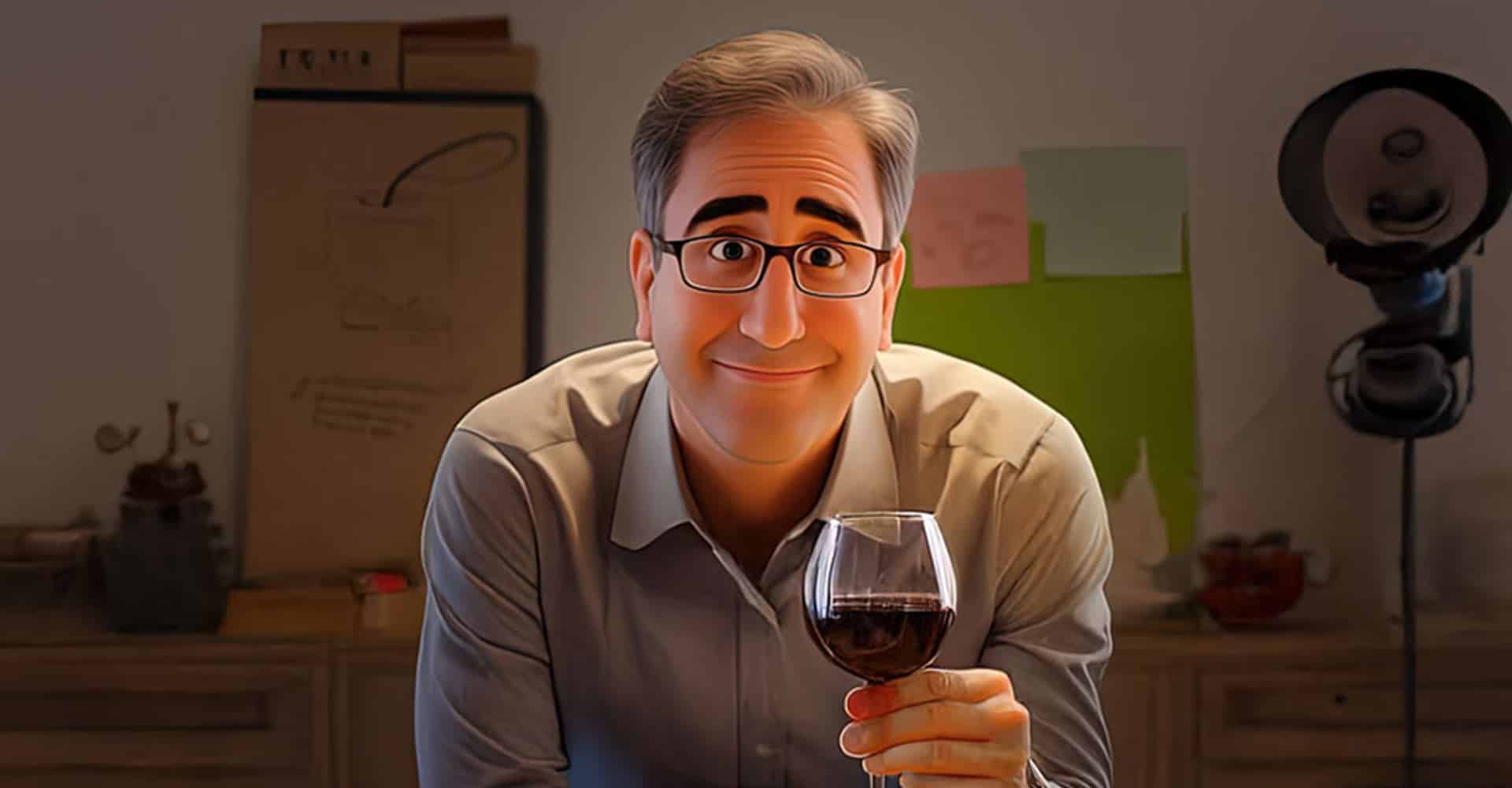
Wine, for me, has never been just about what is in the glass.
Of course, the wine itself matters. I enjoy learning how different wines taste, noticing the character of a grape or region, and helping someone find a bottle that suits their own palate rather than somebody else’s idea of what they should like. But the moments that stay with me are rarely just about the tasting note.
They are about the view, the people around the table, the occasion, and the story that turned a good bottle into a memorable one.
Open the right wine years later and you can be transported straight back to the first time you tasted it. You remember where you were, who you were with, and why that particular moment mattered. That is one of the things I love most about wine: it has an extraordinary ability to hold memories.
It is also why WineGuide101 means so much to me. I want it to be a place where people can learn about wine without feeling that they need a dictionary, a sommelier qualification or a black book of vineyards before they are allowed to join in. Wine should be interesting, enjoyable and, above all, personal.
From a family business to digital
My working life began in a family business started by my father in 1989. At one point, he sent me to Hong Kong to live and work in a graphic-design agency. I spent around eighteen months there, followed by several years travelling back and forth.
It was a hugely formative experience. Hong Kong gave me perspective, independence and an early understanding of how differently people and markets approach business. It also showed me how quickly things can move when businesses are prepared to adapt.
When I returned to England, I joined the family business. In 1995, we moved from traditional print and advertising into web and digital. That was a turning point, and we have been working in that world ever since.
Over the years, that has included websites, search, paid advertising, social media, digital strategy and all the shifting platforms that come with modern marketing. I have always enjoyed the fact that the landscape refuses to stand still. I like being close to the cutting edge of technology—not because new technology is automatically better, but because I am interested in how it can improve experiences and make businesses more effective.
Today, my main business is Emotio Design Group, a full-service digital and brand agency that has been part of my life for more than three decades. I am also involved in Tomia Digital, a development business building software and applications, particularly in the AI space.
I speak professionally on digital marketing and AI, run workshops, and help organisations make sense of what emerging technology can genuinely do for them. I also contributed to an MSc on global marketing practice. The thread running through all of it has been simple: making complex change practical, useful and human.
Why brand still matters
Before WineGuide101, I spent many years immersed in the world of brand. I served on the B2B expert panel for Superbrands and CoolBrands before taking over the UK licence and running those businesses myself.
That experience reinforced something I have believed for a long time: marketing is not a magic button. You cannot turn it on one morning and expect the business to fly by lunchtime.
Building a brand takes time, effort and investment. It often takes patience too, because the return is not always immediate. But a well-built brand gives people a reason to remember you, choose you and come back to you.
The strongest brands do not just sell things. They invite people into their world.
That is especially true in wine. A great winery, restaurant, merchant or hospitality business can make people feel part of something bigger than a transaction. It can tell the story behind the bottle, explain why it matters, and make the customer feel welcome rather than talked down to.
It is not just about having a great product. It is about creating a great experience around it: a vineyard visit, a brilliant food-and-wine pairing, thoughtful hospitality, engaging content, or a new way for younger consumers to discover wine on their own terms.
The moments behind the bottle
I have been lucky enough to taste some exceptional wines in remarkable places.
One standout memory was tasting Château Mouton in the Rothschild family’s cellars at Waddesdon Manor with friends. It was my first experience of Château Mouton, and it was unforgettable.
But the wine experience that best captures why I am drawn to this world happened during my twenty-fifth wedding anniversary trip to Tuscany.
My wife and I were staying at Castelfalfi when I met Lorenzo, the sommelier. He introduced me to Podere Le Ripi’s Amore e Magia Brunello di Montalcino 2017. He had kept back the final bottle because he felt it would be perfect for my taste preferences and what I was looking for. In fact, he had turned down a customer the day before because he wanted to save it for us.
We opened it on our final evening, looking out over the Tuscan hills. The wine was wonderful, but what made it special was the setting, the care, the people and the story. It was not just a bottle; it was an experience that had been thoughtfully created.
Afterwards, I followed the winery on Instagram. Their social media continued the story beautifully, keeping me connected to the place and the values behind the wine. That, for me, is a brilliant example of what good brand building can do. It does not shout. It does not hard-sell. It gives people a reason to stay interested.
Where wine and AI meet
WineGuide101 brings together several of my interests: wine, storytelling, business, brand, leadership and technology.
I am particularly interested in what AI can bring to the wine trade. There are fascinating possibilities in vineyards, from optical sensing during grape sorting to smarter weather and water management. There are also opportunities in understanding customers more clearly, improving segmentation and communicating with people in more relevant ways.
But technology should always serve the experience, not replace it.
Wine remains deeply human. It is about shared meals, celebrations, discoveries and stories. No algorithm can replace the feeling of a great bottle opened with the right people at the right time. But technology can help the industry understand its audiences better and create more of those meaningful moments.
My longer-term ambition is to semi-retire and become a non-executive business and marketing adviser within the wine trade. That could mean wineries, but it is broader than that: hospitality businesses, restaurants, bars, merchants, wholesalers and the many people who make the industry work.
I have spent more than twenty-five years involved in leadership development, including work with the Academy of Chief Executives and my role as deputy chair of the Leadership Academy, where we peer-mentor other CEOs. I would love to bring that experience to businesses in the wine world and help them grow with greater clarity, confidence and relevance.
I have learned plenty of lessons in business. The biggest is that mistakes happen, and they often cost money. The important thing is to learn from them, move forward and not let them define you. I like to think patience is one of my stronger traits; my team and clients would probably agree.
Outside work, I enjoy good food, family time and walking my dog. Something not many people know about me is that I was once a martial-arts black belt and instructor. That was a long time ago, admittedly, but I still like the discipline that came with it.
If you twist my arm and ask me to choose a favourite wine region, I would say Ribera del Duero. I love the smoothness and flavour profile of the wines. And if I could open any bottle tonight, it would probably be a Pétrus shared with my closest wine friends.
In five years, I would like WineGuide101 to be a well-recognised and trusted name in the wine industry—reporting on interesting subjects, telling worthwhile stories and, naturally, being invited to discover and review some exceptional wines along the way.
Ultimately, I want to help the wine industry understand the business and marketing context around what it already does so brilliantly. Great wine deserves great stories, great experiences and great connections with the people who will remember it.