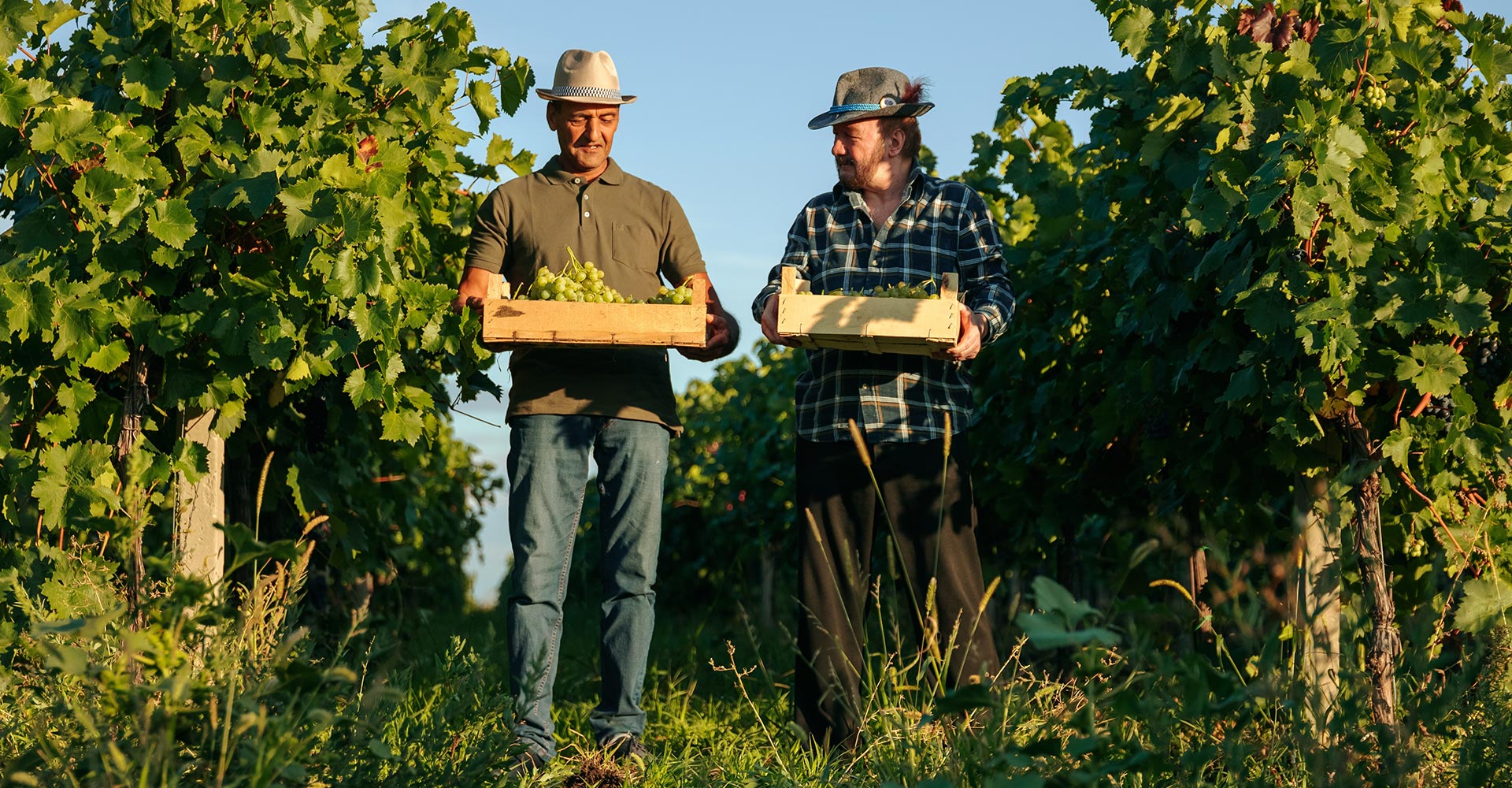
If wine could talk, 2025 would sound like an old vineyard owner muttering: “Too hot, too wet, too dry, too broke”. The global wine industry is wobbling on its feet—production is at its lowest in 60 years, consumption is at its lowest since the Beatles first hit the charts, and climate change is treating vineyards like a game of whack-a-mole. Yet, against all odds, the sector isn’t collapsing. It’s reinventing itself with the resilience of a cork popping back into a bottle.
Climate Change: Nature’s Uninvited Sommelier
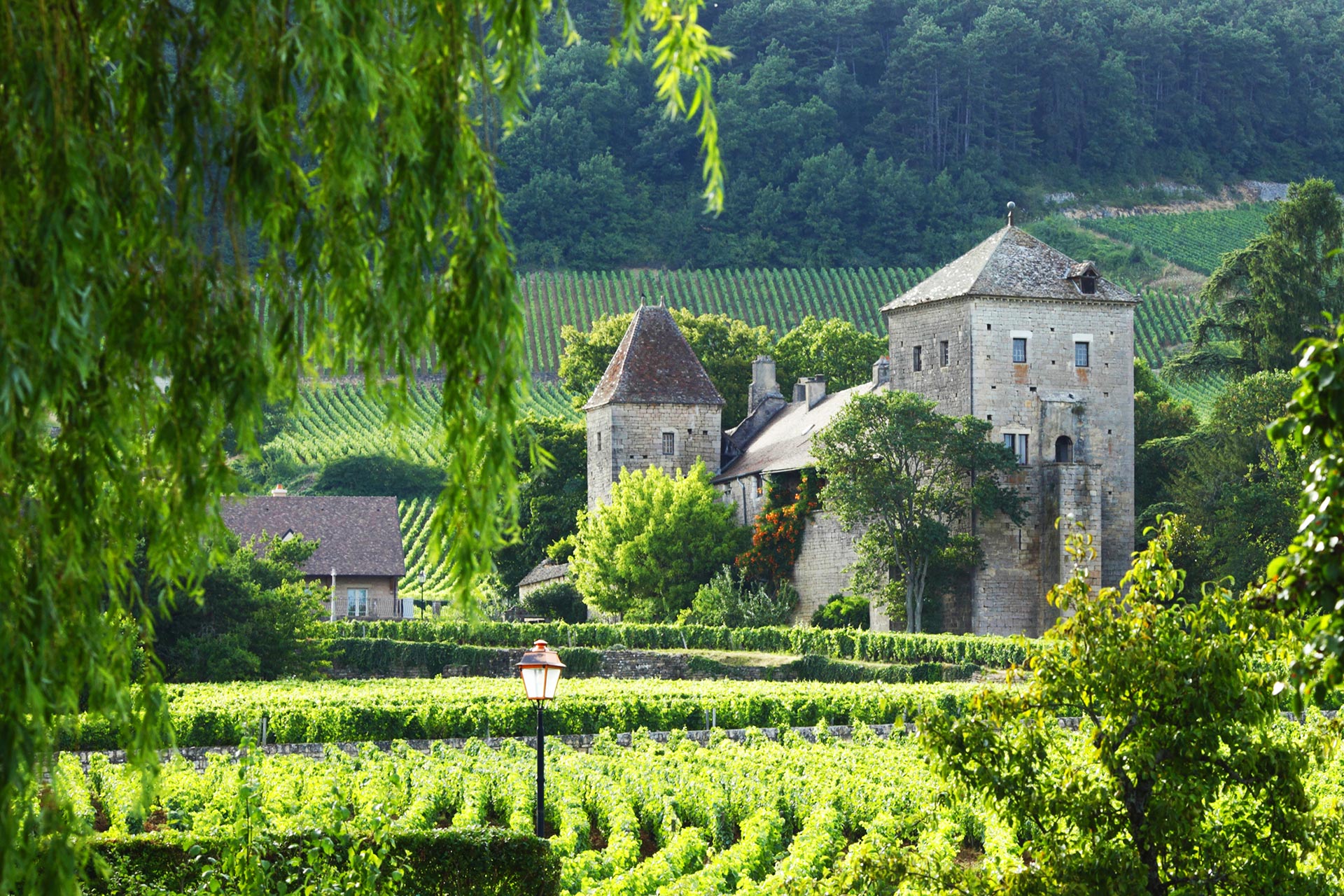
Forget terroir, climate change has muscled its way onto the tasting notes. From scorched Mediterranean vines to soggy German Rieslings, extreme weather is rewriting the winemaking map. Old regions are battling disease and drought, while new players—think Moldova or even England—are stepping into the limelight. It’s less “Old World vs. New World” now and more “Hot World vs. Cooler World.” Some growers are tearing out traditional varietals and planting heat-resilient grapes; others are heading north (or up mountains) in search of cooler terroirs. Even English fizz is starting to look less like a novelty and more like the Champagne of the future.
Market Shifts: From Big Reds to Bubbly Lows
Consumers are also rewriting the rules. Red wine, once the king of the table, is seeing its crown slip. Sparkling, white, low/no-alcohol, and organic wines are now stealing the spotlight, fuelled by younger generations who want their wines lighter, fresher, and kinder to the planet. The Pinot Noir of the future might just be a kombucha-flavoured sparkling tea. Don’t shoot the messenger. Moderation movements and wellness trends mean fewer heavy bottles being opened midweek, replaced instead by spritzy, cheerful drinks that won’t leave you needing a nap by 8 p.m.
Tech in the Vineyard: Robots, Drones, and AI Sommeliers
It turns out the solution to climate chaos may involve robots. Vineyards are going high-tech with drones, sensors, AI fermentation tools, and even autonomous tractors. Precision viticulture is no longer a buzzword—it’s the lifeline. Machines can now tell you your vines are thirsty, stressed, or gossiping about the Merlot in the next row. Meanwhile, AI can predict vintage quality, adjust fermentation, and (one day) maybe even replace the winemaker. Terrifying? Perhaps. Efficient? Absolutely. And let’s not forget robotics tackling labour shortages—harvesting bots that pick with laser-like precision and roving vehicles that prune, spray, and even deliver weather alerts faster than the farmer’s WhatsApp group.
Economics: The Sobering Bit
Despite demand shifts, wine remains expensive. Why? Because there’s less of it. The average export price is nearly 30% higher than pre-pandemic. Growers are stuck between rising costs and shrinking margins, with many uprooting vines or diverting grapes to must (basically grape juice for grown-ups). Think of it as the wine industry’s version of a juice cleanse. And while prices are climbing, profitability isn’t necessarily following—oversupply in some regions and eye-watering input costs mean many growers are barely breaking even. In Italy, France, and Spain, whole hectares are being grubbed up in a desperate attempt to balance the books.
Silver Linings: Sparkle, Sustainability, and Storytelling
It’s not all doom and gloom. Sparkling wines, crisp whites, and premium bottles are still thriving. Sustainability is becoming a selling point, not just a side note. From carbon credits to recyclable bottles, wineries are proving eco-friendly can also be business-friendly. And with consumers craving connection, storytelling around wine—its place, people, and purpose—is more important than ever. Expect to see QR codes on bottles linking to videos of the vineyard’s dog, or labels boasting about solar-powered fermenters. Authenticity, transparency, and a dash of romance are becoming as essential as tannins.
Beyond the Glass: Experience is the New Vintage
The younger drinker doesn’t just want wine—they want an experience. That’s why direct-to-consumer subscriptions, immersive tastings, and even AI-driven “virtual vineyard tours” are booming. Pop-up wine bars in shipping containers, vineyard yoga retreats, and fizzy collaborations with craft brewers are giving wine a new sense of fun. For the industry, this is less about selling cases and more about building communities—because in 2025, a loyal fan club might be worth more than a supermarket listing.
The Bottom Line
2025 isn’t the end of wine; it’s a plot twist. The industry is smaller, smarter, and sparklier. It’s about fewer hectares, but better-managed ones. Fewer reds, more bubbles. Less tradition, more innovation. If you’re a grower, buckle up. If you’re a drinker, pop something chilled and enjoy the show. Wine has always been about adapting, and right now, it’s adapting for survival. The only certainty? Whatever the future tastes like, it won’t be boring.