Modern Luxury Wine Travel
A form of wine tourism focused on immersive experiences that connect visitors with the landscape, history, culture, and winemaking processes of wine regions.
- Emphasizes vineyard walks, winemaker interactions, and understanding terroir over simple tasting.
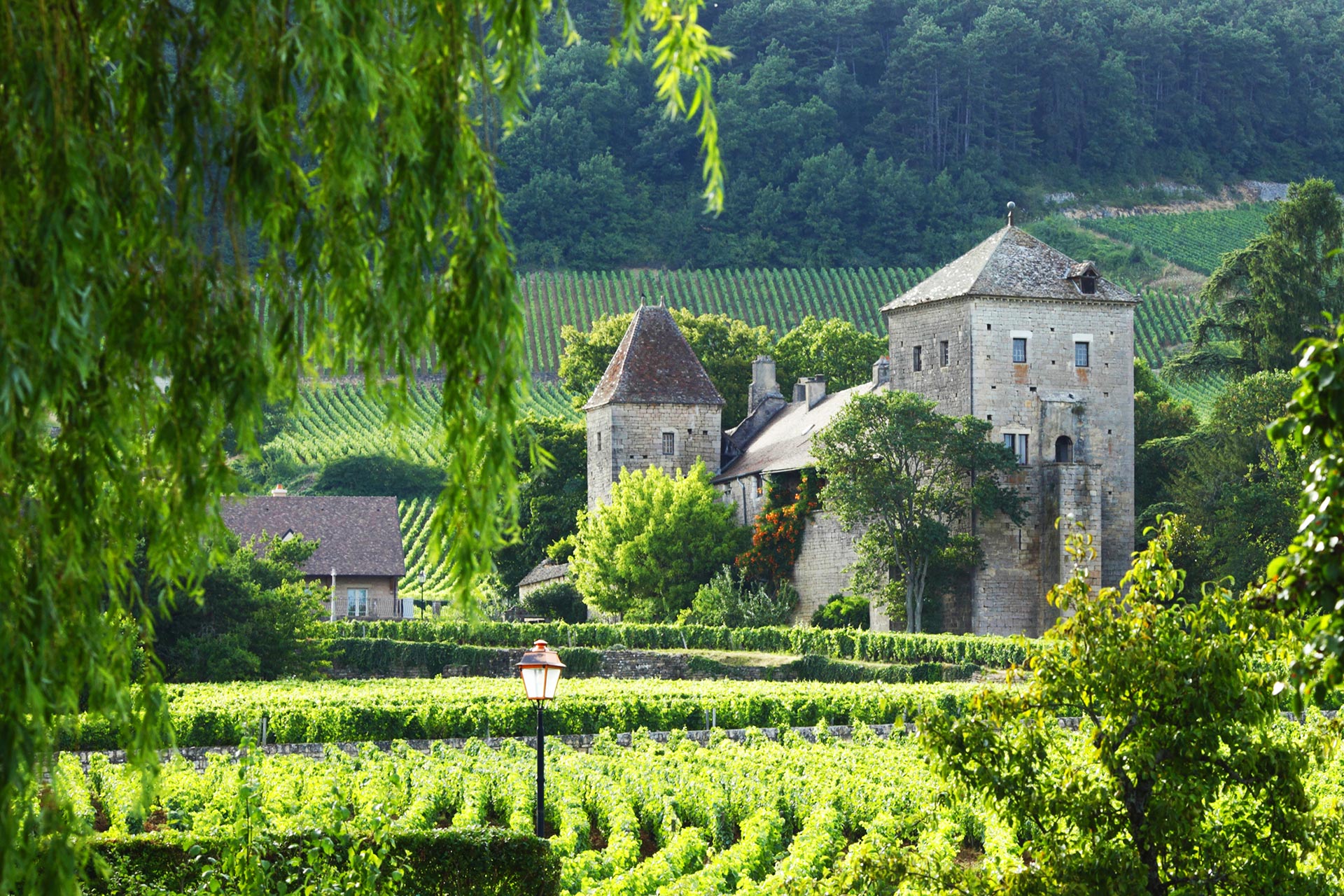
- Incorporates historic estates, architecture, and local cuisine to deepen the travel experience.
- Highlights unique regional characteristics such as soil, climate, and traditional practices.
- Transforms wine trips into cultural and sensory journeys beyond consumption.
Luxury wine travel is evolving.
There was a time when a “wine trip” meant visiting a famous château, tasting a few prestigious bottles, nodding knowingly, and perhaps leaving with something expensive enough to justify the journey.
Those trips still exist, of course. But something interesting has happened.
Today’s wine lovers want something deeper.
We’re less interested in simply tasting labels and far more curious about the stories behind them. The modern wine traveller wants to walk the vineyards, meet the winemaker, understand the soil beneath their feet, and maybe enjoy dinner where the grapes were grown.
In short, wine tourism has shifted from consumption to connection.
It’s about discovering places where landscape, history, architecture, and culture shape the wine in ways you can feel as much as taste.
Some wine regions do this particularly well. They go beyond the tasting room and offer something closer to a journey.
Here are five wine destinations that deliver exactly that.
The Douro Valley, Portugal
Dramatic Terraces and Timeless Wines
Few wine regions in the world are as visually arresting as the Douro Valley.
Imagine mountains carved into thousands of narrow stone terraces, each planted with vines that appear to cling heroically to impossibly steep slopes. Below them, the Douro River snakes through the valley like a ribbon of light.
This isn’t just a beautiful landscape. It’s a historic one.
The Douro became the world’s first officially demarcated wine region in 1756, and today it’s recognised as a UNESCO World Heritage site.
For centuries, the valley was synonymous with Port wine. But in recent decades, it has quietly become one of Europe’s most exciting regions for dry wines, particularly reds made from indigenous grapes such as Touriga Nacional, Touriga Franca, and Tinta Roriz.
The wines are powerful, structured, and unmistakably shaped by the rugged terrain they come from.
But the magic of the Douro lies just as much in the atmosphere as it does in the glass.
Quintas, History and Wine Retreats
Scattered across the valley are historic estates known as quintas.
Many date back centuries, and today some have been transformed into exceptional wine hotels where visitors can immerse themselves fully in the landscape.
One of the most notable is Six Senses Douro Valley, a restored 19th-century manor house perched above the river.
The property blends historic charm with modern comfort. Old beams, handcrafted details and local materials sit comfortably alongside spa treatments and vineyard views that make it difficult to check out.
It’s the sort of place where a casual glass of wine easily turns into an entire evening watching the sun drop behind the terraced hills.
When to Visit
The Douro is best reached from Porto, about 75 to 90 minutes by car.
Technically, it can be visited in a day.
But that would be a mistake.
The valley reveals itself slowly, so staying two or three nights allows time to explore the estates, enjoy river views, and settle into the calm rhythm of the region.
If you want the valley at its most vibrant, visit during harvest season in September or October.
This is when vineyards glow gold and amber, and some estates still practise the traditional foot-treading of grapes in stone lagares.
Yes, people genuinely climb into granite tanks and stomp grapes with their feet.
It’s messy, joyful, and deeply traditional.
Champagne, France
Where Precision Meets Prestige
Champagne hardly needs an introduction.
But beyond the famous bubbles lies a region that offers far more than the celebratory clink of glasses.
The vineyards stretch across rolling hills in northern France, covering villages whose names are practically legendary in the wine world: Épernay, Reims, Avize and Ambonnay.
Here, wine is both science and tradition.
The region’s chalk soils, cool climate and centuries of technical refinement create wines of incredible precision and elegance.
But the true magic of Champagne comes from going beyond the famous houses and discovering the grower producers.
A Personal Note from the Road
I’ve been fortunate enough to visit Champagne and Reims several times over the years, and it remains one of those places that never loses its charm. Quite literally, every corner seems to reveal another great Champagne house.
Within a short distance you’ll find names that have defined the region for centuries: Ruinart, Bollinger, Pol Roger and many more. Walking through the streets of Reims or Épernay, it becomes clear very quickly that Champagne isn’t just produced here. It’s woven into the fabric of daily life.
Each house has its own story, its own style, and its own labyrinth of underground cellars where bottles quietly mature for years before they ever see the light of day.
The Grower Champagne Experience
While the grandes maisons dominate global shelves, many visitors find the real charm in smaller family estates producing grower Champagne.
These producers farm their own vineyards and craft wines that reflect specific villages and terroirs.
Tastings often take place in intimate cellars where you might be hosted by the winemaker themselves.
And suddenly Champagne becomes less about luxury branding and more about craftsmanship.
Descending into the Caves of Pommery
One of the most memorable experiences from my visits was descending deep into the famous caves of Champagne Pommery in Reims.
To reach them you walk down what feels like an endless climb down stone steps, dropping more than 100 steps below ground into the ancient chalk cellars carved directly into the rock.
These underground galleries stretch for kilometres beneath the city and maintain a perfect natural temperature and humidity for ageing Champagne.
What makes Pommery particularly special is the sheer scale and artistry of the caves. The chalk walls have been carved into vast cathedral-like chambers, many decorated with sculptures and engravings created directly in the stone.
Standing down there, surrounded by millions of quietly ageing bottles, you realise that Champagne is as much about patience and craftsmanship as it is about celebration.
It’s a moment that perfectly captures the spirit of the region.
Don’t Miss
A visit to Épernay’s Avenue de Champagne, where historic Champagne houses line a street built above miles of chalk cellars.
Below the pavement lie millions of bottles slowly ageing in darkness.
Above ground, elegant townhouses and tasting rooms remind you that this region has perfected the art of celebration.
Uco Valley, Argentina
High-Altitude Malbec and Architectural Drama
If Champagne is elegance, the Uco Valley in Argentina is theatre.
Set against the backdrop of the Andes Mountains, this region sits at altitudes reaching 1,000 to 1,500 metres above sea level.
The result is a winemaking environment unlike almost anywhere else.
Bright sunlight, cool nights and mountain air produce Malbec wines with remarkable intensity, freshness and structure.
But the wines aren’t the only spectacle.
Architecture in the Andes
The Uco Valley has become famous for wineries that look more like modern art museums than agricultural buildings.
One of the most striking is Bodega Salentein, where dramatic architecture frames views of the Andes and underground cellars resemble cathedrals dedicated to wine.
Another standout is Zuccardi Piedra Infinita, a Brutalist masterpiece built from local stone that feels as though it has emerged from the mountain itself.
Wine tasting here is as much about the surroundings as the wine.
And when the sun sets behind the Andes, glass in hand, it’s hard to argue with the result.
The Cape Winelands, South Africa
Beauty, Heritage and Bold Wines
Just outside Cape Town lies one of the most picturesque wine regions in the world.
The Cape Winelands combine dramatic mountain scenery with white-washed Cape Dutch architecture and vineyards that stretch across valleys shaped by centuries of winemaking.
Regions like Stellenbosch, Franschhoek and Paarl produce wines that compete comfortably on the global stage.
But what truly sets the Cape apart is the sense of hospitality.
Wine, Food and Landscape
Wine estates here often feel more like destinations than tasting rooms.
Many feature exceptional restaurants where local ingredients meet innovative cuisine.
Franschhoek, in particular, has become something of a culinary capital.
Visitors can explore estates via the Franschhoek Wine Tram, which winds through vineyards and offers a relaxed way to experience several wineries without worrying about driving.
Wine, scenery and remarkable food. It’s a winning combination.
Santorini, Greece
Volcanic Wines by the Sea
Santorini might be famous for sunsets and whitewashed villages, but its wines are equally fascinating.
The island’s volcanic soils and fierce Aegean winds have shaped a unique style of viticulture.
Vines are trained into basket-shaped formations known as “kouloura”, protecting the grapes from strong winds and harsh sun.
It’s one of the most unusual vineyard landscapes you’ll ever see.
Assyrtiko: The Star of the Island
Santorini’s signature grape is Assyrtiko, a white variety known for its striking minerality and bright acidity.
Despite the Mediterranean climate, these wines feel crisp, structured and almost saline.
It’s as if the sea has somehow made its way into the glass.
I’ve long enjoyed Greek wines and Assyrtiko in particular has become one of my favourite discoveries over the years. Several sommeliers I’ve spoken with describe Santorini as one of the most distinctive white wine regions in the world, largely thanks to its volcanic soils and ancient vine‑training methods.
Pair a chilled Assyrtiko with seafood overlooking the caldera, and suddenly the concept of sense of place makes perfect sense.
Still on My Wine Travel List
Santorini remains firmly on my personal wine travel list. Having tasted wines from the island on several occasions, it’s easy to understand why wine lovers make the journey. The combination of volcanic terroir, sea breezes and centuries‑old viticulture creates wines that feel genuinely unique.
Why Wine Journeys Matter
What connects these five destinations isn’t just the quality of their wines.
It’s the way they combine landscape, culture and history into something immersive.
Wine becomes more than a drink.
It becomes a lens through which you experience a place.
Whether it’s the steep terraces of the Douro, the chalk cellars of Champagne, the high altitudes of Argentina, the dramatic mountains of South Africa, or the volcanic vineyards of Santorini, each journey offers a story that stays with you.
And if wine teaches us anything, it’s this:
The best bottles are rarely just about what’s in the glass.
They’re about where they came from.
Author’s note: My journey with wine spans more than two decades of tasting, learning and sharing discoveries with the WineGuide101 community. While I’ve been fortunate enough to visit some regions such as Champagne several times, others in this article remain firmly on my wine travel list. Like many wine lovers, the exploration is part of the joy.