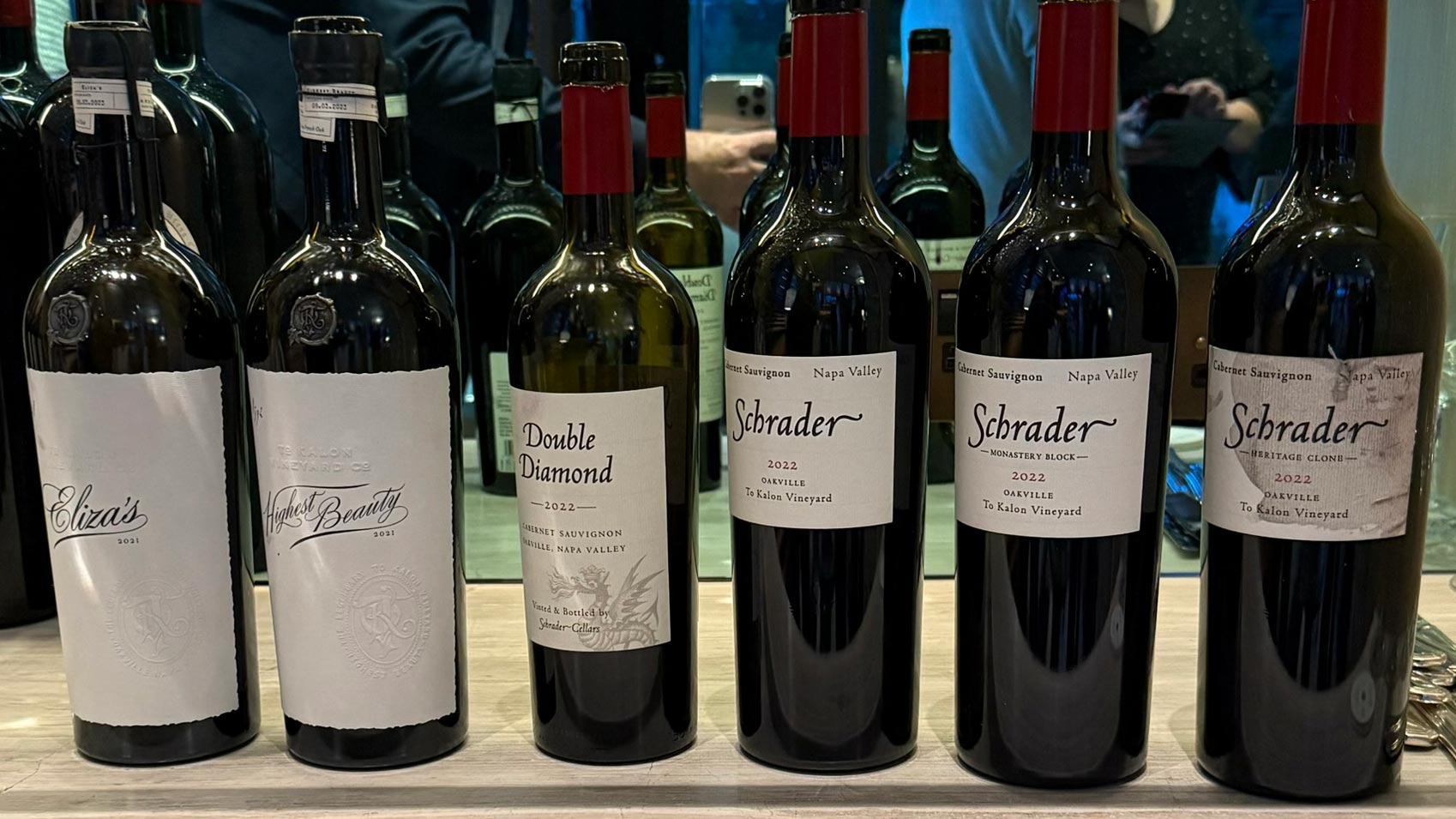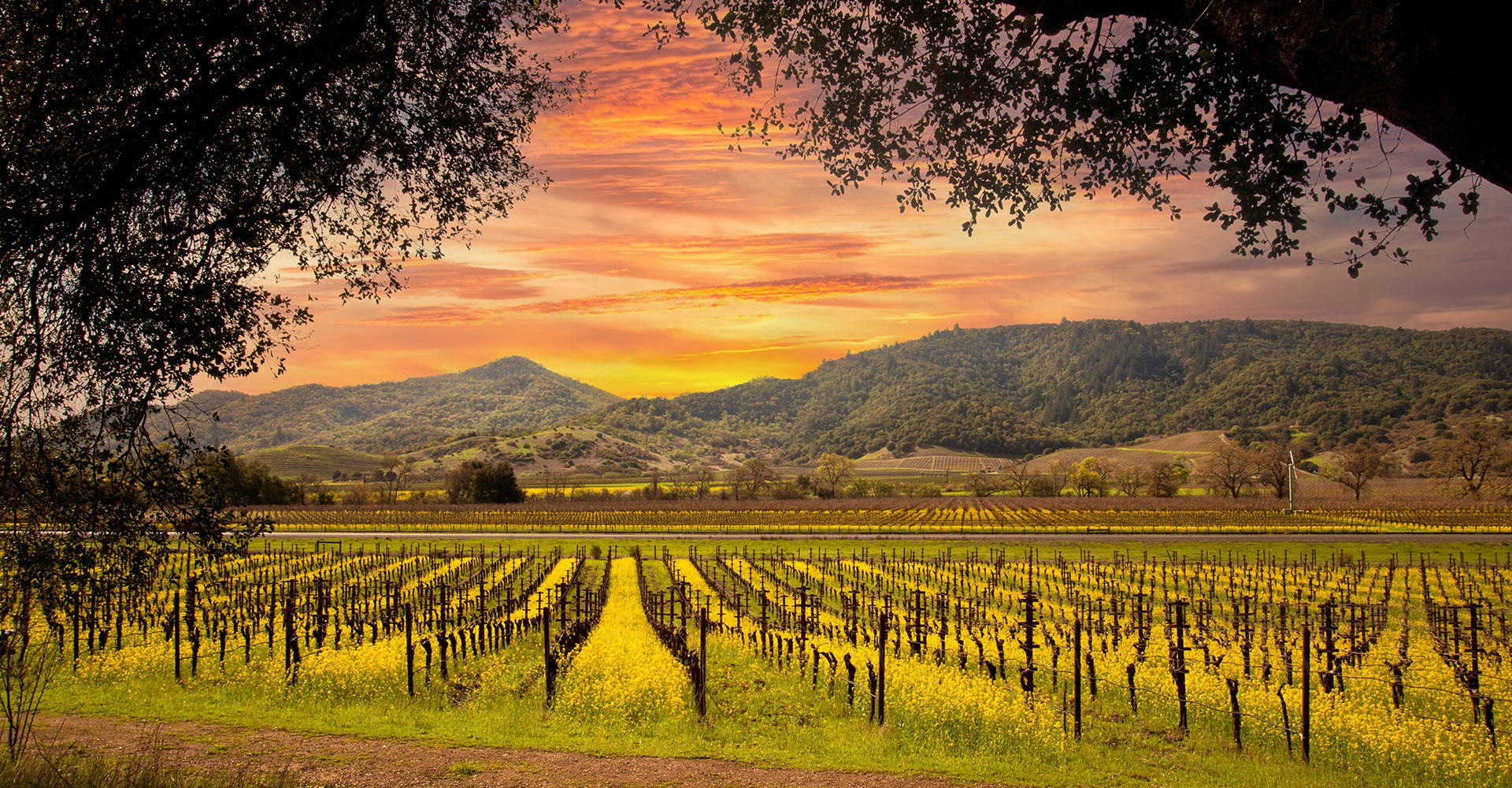
As someone who genuinely loves Napa wines, it breaks my heart to see the region facing such relentless challenges.
Spoiler: It’s not just the smoke that’s making things hazy in Napa.
Ah, Napa Valley. Once the poster child for premium wine dreams, where $300 Cabernets flowed like LinkedIn posts about hustle culture. But lately? The party’s over, and someone forgot to tell the DJ.
From 2025 to 2031, Napa’s luxury wine scene is going through what can only be described as a five-alarm existential crisis. Think less “we’ll get through this vintage” and more “call a therapist and your accountant—at the same time.” And while the region has faced challenges before—droughts, recessions, the occasional mid-summer merlot scandal—this moment feels different. Structural. Systemic. And potentially, a tipping point.
So, what’s going wrong in paradise?
Pretty much everything. Let’s break it down like a sommelier explaining tannins to a tipsy tourist:
Too Much Wine, Not Enough Thirst
You know it’s bad when even Howell Mountain grapes go unpicked. In 2023, over 10,000 tons of Cabernet—yes, the good stuff—went unsold. That’s not market correction; that’s Cabernet carnage. Vineyard owners are leaving fruit to rot on the vine, not for lack of quality but for lack of buyers willing to pay top dollar for it. And while the ultra-luxury segment is still holding on by its corks, the middle tier is being squeezed like overripe Grenache.
Oversupply is strangling the sector, while consumers are drinking less wine overall. Add to that the rising costs of production, bottling, and compliance, and suddenly making a bottle of wine feels more like a gamble than a legacy. The only bottles still turning heads? The über-premium $100+ club. Everyone else is left wondering what to do with tank after tank of unsellable liquid real estate.
Millennials & Gen Z: Wine? Meh.
The Boomers are ageing out, and the new generation is all about wellness, low-alcohol options, and anything that fits in a can. Traditional wine—especially the high-ABV, high-calorie Napa style—just isn’t sexy anymore. And let’s be real: a wine label featuring a French chateau and a story about 14 generations of winemaking heritage? It’s competing with canned cocktails named after drag queens.
Let’s be honest: a $75 tasting flight doesn’t exactly scream “come on in, Gen Z.” Especially when RTDs (Ready-to-Drink) are cheaper, trendier, and already winning shelf space. If wine wants to stay in the picture, it’ll need to rebrand, repackage, and probably reprice itself to win over a generation more likely to follow TikTok sommeliers than read Parker points.
Wildfires: Now a Feature, Not a Bug
Every harvest now comes with a roll of the dice. Will it burn? Will it smoke? Will it taste like smoke? Welcome to the world of smoke taint, where grapes absorb volatile phenols, and winemakers absorb the therapy bills. It’s like Russian roulette with your Cabernet.
The stakes aren’t just sensory. They’re economic. Entire vintages can be written off. Insurance won’t always cover the losses, and even if they do, good luck explaining to your mailing list why your $175 wine smells like barbecue. Napa estates are spending big on tech like Flash Détente just to make the juice drinkable—at the cost of authenticity and with no guarantee of ROI.
DTC Woes: When the Wine Club Becomes a Revolving Door
Direct-to-Consumer used to be the golden goose. Now? It’s a goose on a Peloton, constantly chasing new signups as churn hits 20% per year. Remember when wine clubs felt exclusive? Now they feel like a Netflix subscription you forgot to cancel.
With visitor footfall wobbling and wine club loyalty dying faster than a bottle at a dinner party, wineries must pivot to smarter customer engagement. Think personalised birthday bottles, curated small-lot offers, behind-the-scenes access—not just another “10% off” email blast. In the age of hyper-personalisation, the relationship has to go beyond shipping and sipping.
Labour Shortages: No One Left to Pick the Grapes
Fancy hand-harvested wine needs, well…hands. And those hands need somewhere to live. Napa’s housing crisis means fewer workers, higher wages, and vineyards either going mechanical (heresy!) or going fallow. Let’s just say, no one dreams of artisanal Merlot picked by robots.
Without action on affordable housing, ultra-premium winemaking becomes ultra-impossible. And it’s not just a Napa problem. It’s a statewide issue, affecting everything from pruning to bottling. If you can’t house the people, you can’t make the wine. It’s that simple.
So, who survives this?
The bold, the rich, and the radically adaptive. The ones who see disruption not as doom, but as a call to innovate.
- If you’re producing under $100, brace for impact.
- If you haven’t invested in climate tech or customer success tools—good luck.
- And if your succession plan is still “hope my kid wants it,” you’re living in a 1995 Chardonnay fantasy.
Winners in this new era will be the estates willing to slash and replant, to digitise and personalise, to listen to their customer data as much as their winemaker. Survival won’t be about nostalgia. It’ll be about knowing what today’s drinkers want before they do.
The Silver Lining (Yes, There Is One)
Globally, the market for top-tier wine is growing. The $100+ category is thriving, and Napa still holds prestige. International consumers still see Napa as an aspirational luxury brand—but only if it continues to earn that status.
Success means going niche, going premium, and going digital. Think low-ABV spritzers in cans, Instagrammable experiences, VR vineyard tours, and serious estate planning. Napa wineries will need to think like luxury brands, not just family businesses. Oh, and sustainability isn’t optional anymore—it’s both your marketing narrative and your water bill strategy.
Embracing transparency, climate credentials, and smart tech isn’t just about brand image. It’s about staying in business.
Final Pour
The next five years aren’t a “bad vintage.” They’re a systemic, painful restructuring. But Napa has weathered storms before. Just maybe not five at once.
If you’re in the game, sharpen your tools—and your storytelling. Because this next chapter in Napa’s saga won’t be written in oak barrels. It’ll be written in sweat, spreadsheets, and a hell of a lot of smoke.
Adapt or be decanted.