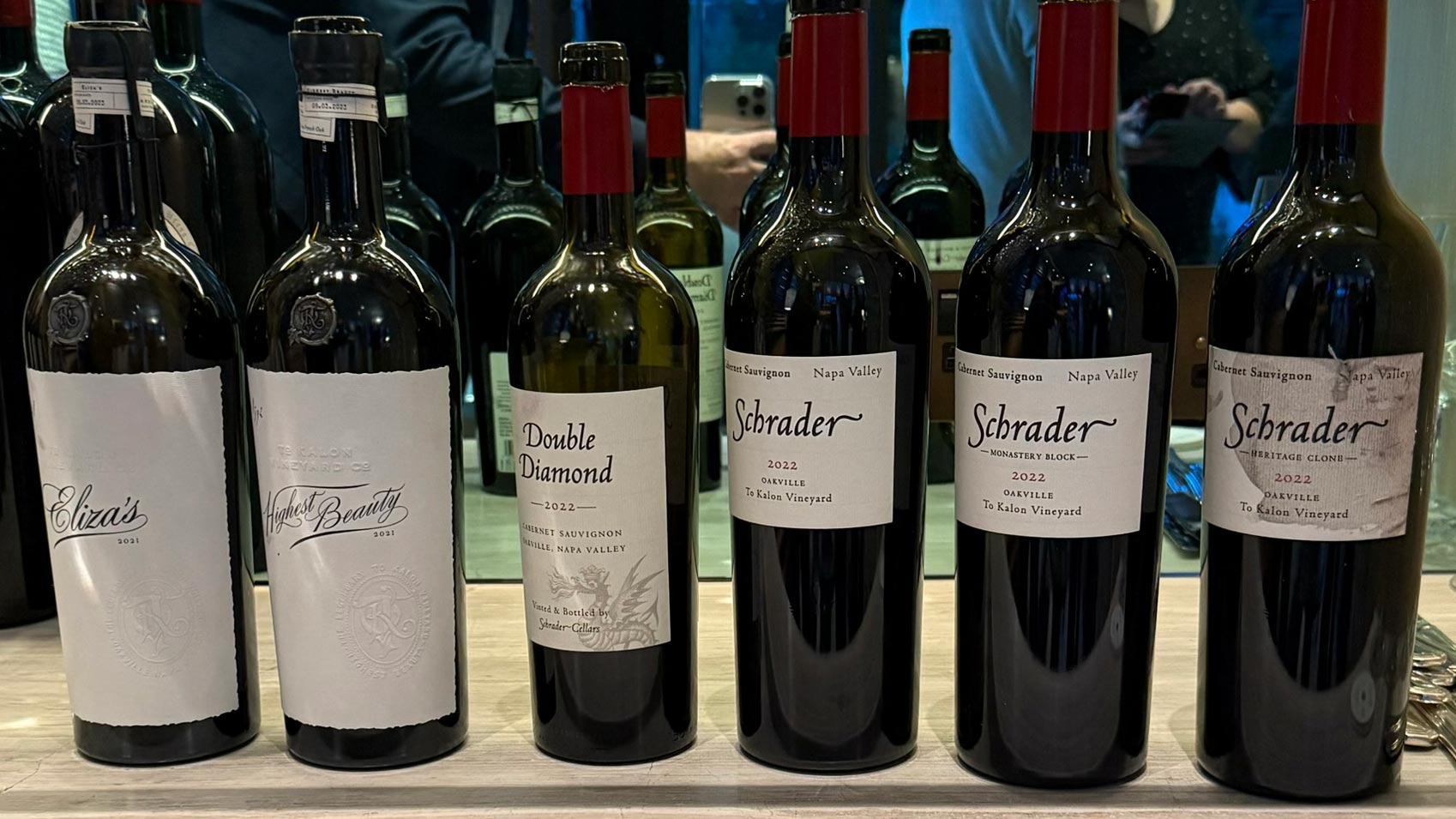
You’ve seen it in every supermarket aisle and swanky wine shop: a bottle with a hefty price tag perched like a peacock and a shelf of cheaper neighbours looking distinctly less confident. It’s tempting to assume that expensive wine is simply better. The truth is messier — and much more interesting.
This piece unpicks the myth that price equals quality. It leans on decades of research, blind tasting experiments, neuroscience and the odd spreadsheet. The result? Price is a weak guide to intrinsic quality, a powerful signal of reputation and prestige, and — delightfully — something that can actually change how wine tastes in your brain.
The modest maths behind the myth
Economists who try to quantify price and quality often use hedonic models — fancy maths that attempt to isolate what features add value. A meta-analysis of 180+ studies finds a modest positive correlation between price and expert sensory ratings (about +0.30). In plain English: more expensive wines tend to score a bit higher with professional tasters, but the link is far from iron-clad.
Even when a relationship exists, it’s brittle. It strengthens under certain conditions (single varietals, the 100-point scale, or where reputation is accounted for). And crucially, reputation matters more than the immediate sensory performance of a single vintage. In other words, the name on the label often buys the price, not the pour.
Blind tastings: take off the label and the spell weakens
Strip away the label, the price tag and the backstory, and the neat correlation starts to fall apart. Large-scale blind tasting studies show that the average, non-expert drinker actually rates pricier wines slightly lower when tasting blind. Ouch.
Why the reversal? Experts and enthusiastic amateurs are trained to value the structural features that often come from costly winemaking: complexity, tannic architecture, oak influence, and ageing potential. Casual drinkers tend to prefer immediate, fruit-forward wines — styles you can find at lower price points. So the market may be pricing for an “expert ideal” that a big slice of consumers wouldn’t choose if all they judged was what’s in the glass.
Methodological caveats apply: expensive reds are often built to age and can taste stubborn in youth, tasting conditions vary, and many blind studies focus on the lower-price spectrum. Still, the message is clear: price alone isn’t a universal marker of what most people will enjoy in a blind sip.
Superstar wines and the winner-takes-all effect
The wine market is not linear. Most wines sit in a crowded middle where a few extra points on a critic’s score do little to change price. But cross the threshold into the 90+ “superstar” zone and prices can explode. Studies of hundreds of thousands of Wine Spectator entries reveal that only at the top-tier do quality signals meaningfully push prices upward.
This “superstar effect” creates extreme rewards — and risks — for producers. A tiny group of cult and iconic wines capture disproportionate value, while the masses compete on thinner margins.
What really builds a bottle’s price: costs vs. signals
A retail price is built from two stacks:
- Tangible costs — land, yields, harvest methods, oak, ageing, bottling, distribution and tax. These form the price floor. Low yields, hand-harvest and new French oak add up quickly.
- Intangible value — terroir legend, producer reputation, scarcity, vintage lore and critical acclaim. These are the multipliers that turn a sensible-cost bottle into a trophy.
To illustrate: a basic $10 retail wine may have $2–3 in production cost; a $150 bottle might have $25–30 in costs but the rest is reputation, scarcity and mark-up. In luxury segments, the story and rarity often dwarf the production tab.
Price as a signal — and as a drug
Wine is an ‘experience good’: you can’t reliably assess its quality until after purchase and consumption. So buyers lean on signals. Price is the most obvious one. It tells a story: ‘‘someone paid a lot, therefore it must be good’’. That’s a cognitive shortcut — useful, but manipulable.
Neuroscience gives this effect teeth. fMRI studies show that when people believe a wine is expensive, pleasure centres in the brain light up more than when the same wine is labelled cheap. In short: believing a bottle costs more can make it taste better. The label becomes an ingredient.
This makes premium pricing a deliberate part of marketing strategy: for many consumers the price itself increases enjoyment. But (and it’s a big but), the effect depends on the consumer believing the price is legitimate. Heavy discounting erodes this, so wineries guard their reputations and distribution carefully.
Critics, crowds and the third‑party certifiers
When the market is opaque, third-party signals gain power. Traditionally that’s been critics and publications whose scores can move markets overnight — one point can mean a significant price jump for Bordeaux.
The digital age has added a new voice: crowd scores (think Vivino). Recent evidence suggests these consumer ratings now influence price more in mass and premium segments than old-school critics. The result is a bifurcated influence model: crowds guide everyday buying; experts matter for the top-end investment market.
Wine sits between art and jewellery — a hybrid value model
Compare wine with art and diamonds. Jewellery is grounded by objective metrics (the 4Cs for diamonds) while art is almost purely narrative and reputation. Wine sits between: it has measurable chemical and sensory attributes, but price is overwhelmingly driven by reputation, scarcity and story.
That duality makes wine fascinating and frustrating. You can measure acidity and tannin, but you can’t fully price the romance of a hallowed vineyard or a legendary vintage.
The tripartite model: floor, multiplier, catalyst
A compact way to think about wine value:
- Cost of production (the floor) — tangible economics.
- Intangible value (the multiplier) — terroir, brand, scarcity, vintage myth.
- Psychological perception (the catalyst) — price and narrative that shape enjoyment.
Together these explain why two bottles with similar production costs can sell for vastly different prices.
What this means for you — consumer, producer and investor
For consumers: don’t assume expensive = better for your palate. Try blind tastings. Explore lesser-known regions and producers. Hunt for wines that match your taste, not the critic’s. Above about £50, much of the extra is often prestige rather than a better drinking experience.
For producers: build a reputation over time. Price is a brand signal — but fragile. Avoid discounting that undermines credibility. Manage distribution to retain scarcity and scarcity’s allure.
For investors: focus on the intangibles — provenance, producer track record and genuine scarcity. Investment-grade wine is a tiny slice of the market and behaves more like art or luxury watches than everyday consumer goods.
Final glass
Price matters in wine — but not in the simple way we assume. It partly reflects cost, often reflects reputation, and sometimes changes the way our brain experiences the wine itself. So next time you’re choosing a bottle: consider the label, yes — but also trust your palate. You might be surprised at what a sensible bottle from a shadowed region can do when the price tag is taken out of the room.
Cheers.