There’s a quiet revolution happening in the foothills of the Carpathians. While Western Europe wrestles with climate shocks and price fatigue, Romania—yes, Romania—is calmly climbing the global wine ladder with a blend of ancient roots, indigenous grapes, and sharp commercial strategy.
This isn’t some underdog fairytale. It’s a full-blown renaissance.
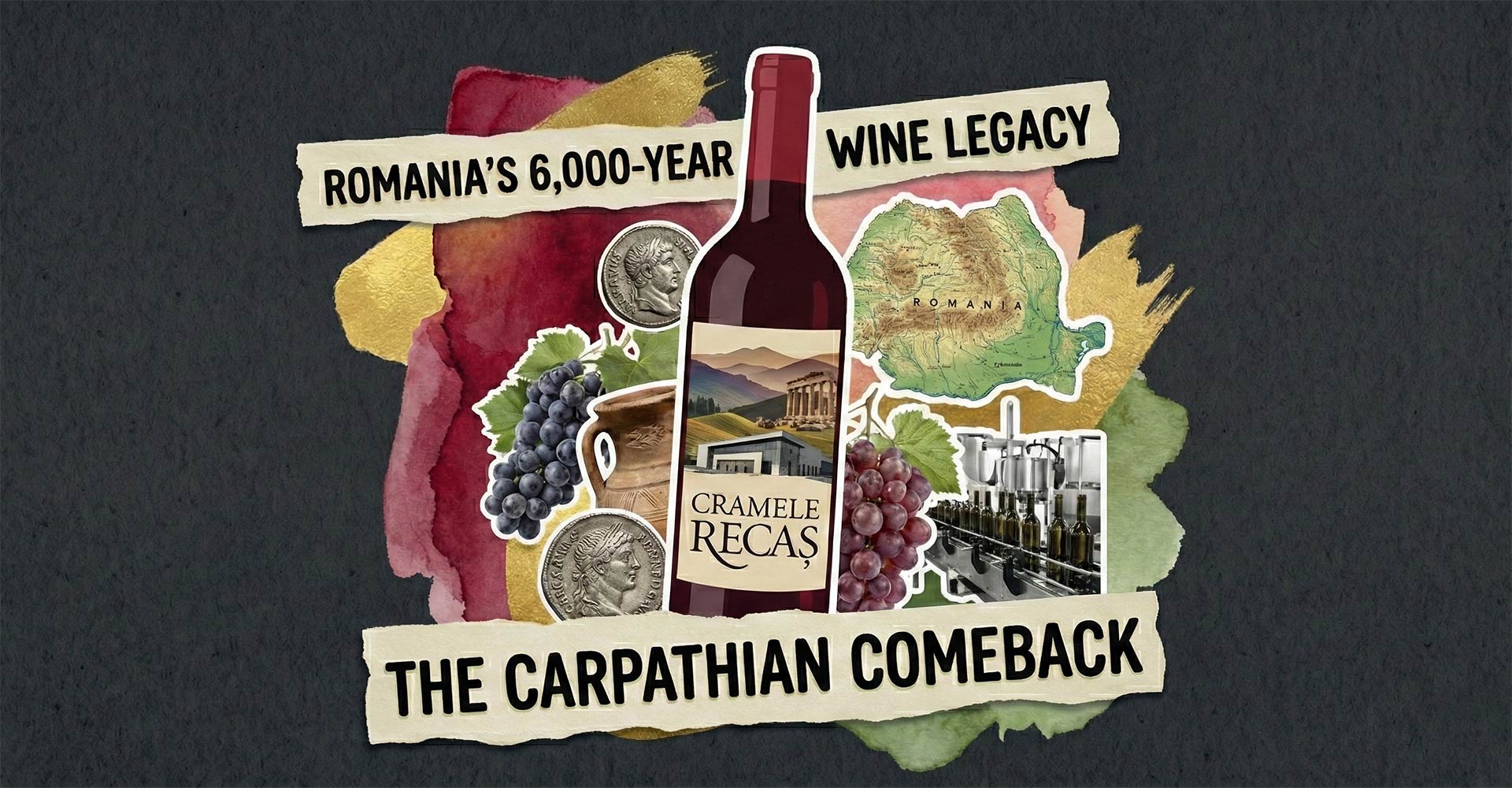
And at the heart of it? Cramele Recaș, the country’s export powerhouse—and the producer behind three bottles I recently received, all of which reminded me that Europe’s next great wine story might be hiding in plain sight.
A 6,000-Year Head Start
Romania’s wine history stretches back further than France’s obsession with corks. The Dacians were fermenting Fetească Neagră long before the Romans arrived in 106 AD to civilise (read: annex) the region.
Over millennia, winemaking here has endured phylloxera, invasions, collectivisation, and neglect. Yet somehow, through every regime and every rebrand, the vines persisted.
Fast forward to the 21st century, and Romania sits comfortably among Europe’s top producers by volume. But more importantly, it’s carving out an identity based not on mass-market bulk, but on distinctive, high-quality wines with a story to tell.
Grapes with Personality (and Passports)
 While global markets are awash in Chardonnay and Cabernet, Romania’s indigenous grapes are a breath of fresh air—often literally. They’re crisp, perfumed, and deeply tied to place.
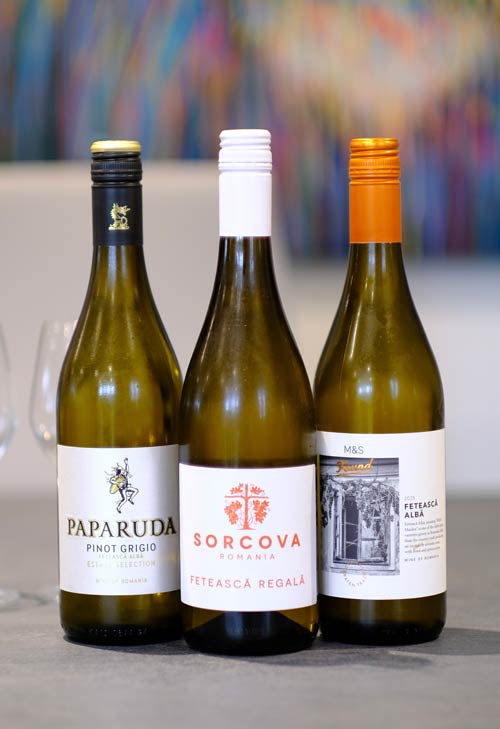
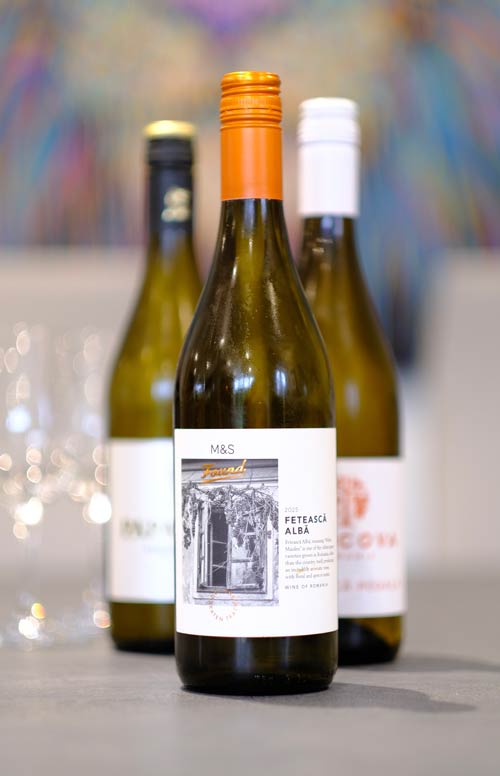
Take Fetească Albă, one of the country’s oldest white grapes. It’s fresh, floral, and entirely unbothered by oak or overextraction. I was reminded of its charm in a bottle from M&S’s Found range—an elegant showcase of Romanian winemaking at its most restrained.
Then there’s Fetească Regală, which adds a little more aromatic punch—think pear, white flowers, a twist of spice. The Sorcova Romania bottling from Cramele Recaș captures this beautifully: a confident, expressive wine that doesn’t need to shout to be heard.
And finally, a smart blend that surprised me—the Paparuda Estate Selection, combining Pinot Grigio with Fetească Albă. Crisp, clean, and quietly clever, it merges international familiarity with local flair. A textbook example of how Romania is straddling the commercial and the characterful.
Cramele Recaș: From State Cellar to Export Giant
 These wines didn’t just materialise from a rustic cottage with goats outside. They came from Cramele Recaș, Romania’s most forward-thinking winery, based in the Banat region.
Once a state-owned relic, Recaș has reinvented itself into a 32-million-litre titan, supplying wines to Aldi, M&S, Waitrose, Tesco, and more. But it’s not just about volume. It’s about vision.
Led by Philip and Elvira Cox alongside local partners, Recaș blends New World precision with Old World soil. They’re turning indigenous grapes into global exports while still producing natural orange wine at scale. Yes, really.
Their model is less chateau, more Silicon Valley: AI-powered bottling lines, 300+ labels tailored to different markets, and a sustainability drive that includes vegan certification and lightweight packaging. This isn’t just a winery—it’s a case study in how to modernise without losing soul.
A Strategic Shift: From Value to Identity
Historically, Romania’s pitch was simple: same latitude as Bordeaux, ten times cheaper than Italy. That’s still true—but no longer the whole story.
With demand rising for wines that are authentic, sustainable, and not the usual suspects, Romania’s moment has arrived. And Cramele Recaș is leading that charge—not by mimicking the French, but by bottling what makes Romania… Romania.
From their award-winning Cuvee Uberland to those three bottles now sitting very empty on my table, they’re proving that this isn’t a trend. It’s a transformation.
Final Thoughts
If you’re in the wine trade, Romania should already be on your radar. If you’re a curious drinker, start with a Fetească. And if you’re wondering where the next wave of accessible, expressive European wine is coming from—it’s probably heading west from Recaș.
The Carpathian comeback is real. It’s bottled, labelled, and (very likely) sitting on a supermarket shelf near you. Don’t wait to discover it by accident—go looking.
And raise a glass to 6,000 years of history finally getting its due.