A heavy wine bottle has spent decades quietly telling us, “I’m expensive, take me seriously.” The problem is that the glass has absolutely nothing to do with the wine inside it. New UK packaging costs, carbon targets and better logistics are finally challenging one of wine’s more successful bits of theatre. And frankly, it’s about time.
We’ve Been Trained to Judge Wine by Weight
Pick up two £15 bottles of wine.
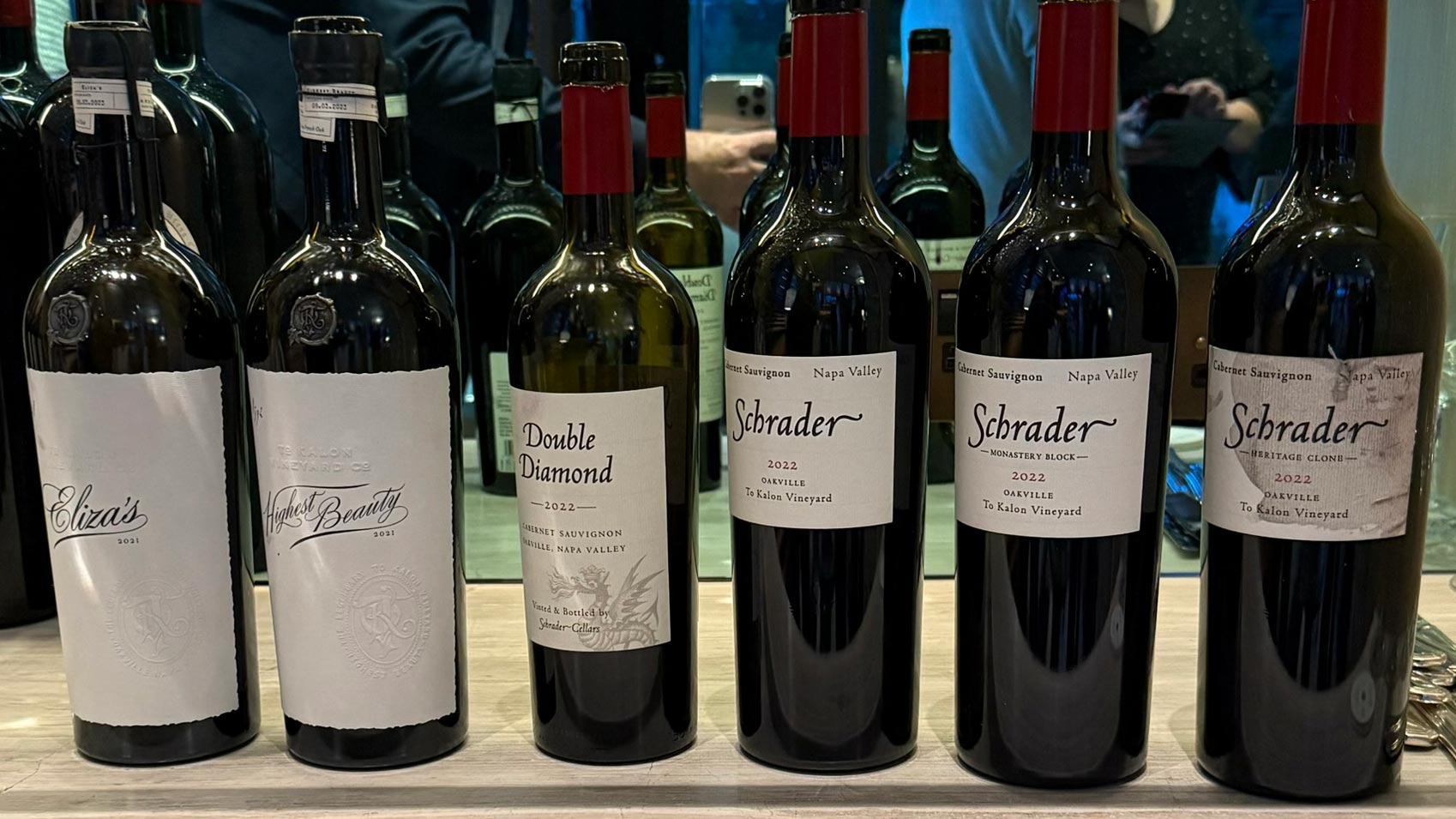
One has enormous shoulders, a punt deep enough to lose your thumb in and enough glass to qualify as light gym equipment. The other feels noticeably lighter.
Which feels more expensive?
For most of us, it’s the heavy one.
That instinct isn’t accidental. Packaging research has repeatedly shown that weight influences our perception of quality and value. Wine producers and brand designers have known this, consciously or otherwise, for years.
I’ve spent more than 30 years working in branding and marketing, including premium and hospitality brands, and packaging cues like this are incredibly powerful. Consumers rarely analyse them consciously. We simply pick something up and think, that feels expensive.
Wine has taken the idea and run with it.
Some prestige bottles have crept towards 800g, 900g or even more than a kilogram before anyone has put a drop of wine inside them.
When I’m buying wine for my own cellar, I’ll admit there’s still something psychologically pleasing about a substantial bottle. You pick it up and a small part of your brain whispers that something serious must be happening inside.
The logical part of your brain should probably tell it to calm down.
Because bottle weight tells you virtually nothing about vineyard quality, grape selection, winemaking skill or ageing potential.
And now the economics are beginning to catch up with the psychology.
Why Are Wine Bottles Getting Lighter in the UK?
The biggest catalyst is Packaging Extended Producer Responsibility, usually shortened to pEPR.
The basic principle is straightforward: businesses putting packaging onto the UK market increasingly have to pay for the cost of dealing with that packaging when it becomes waste.
For wine, that matters enormously because glass is heavy.
The supplied industry research puts the baseline UK disposal fee for glass at £192 per tonne for 2025/26, with later fees affected by recyclability classifications.
That means bottle weight suddenly has a direct commercial cost.
At an illustrative £185 per tonne:
- a 900g wine bottle creates around 16.7p of packaging liability;
- a 550g bottle creates roughly 10.2p;
- a 420g lightweight bottle comes in around 7.8p;
- a 300g bottle falls to roughly 5.6p.
Nine or ten pence doesn’t sound dramatic until you sell millions of bottles.
Then someone in finance starts paying attention very quickly.
Bottom Line
Wine producers aren’t necessarily making bottles lighter because they’re making the wine cheaper. They’re removing packaging cost that contributes nothing whatsoever to the liquid.
And that distinction matters.
Heavy Glass Is Particularly Silly on Cheaper Wine
The economics become even stranger at everyday wine prices.
Wine sold in Britain already carries substantial alcohol duty and VAT before the retailer, importer, producer and logistics companies have earned anything.
The research supplied for this article models a £6.50 bottle where only around 65p of the retail price is attributed directly to the wine itself.
That’s sobering, and not in the way normally associated with wine.
Add another ten or fifteen pence of unnecessary packaging cost and suddenly a ridiculously heavy bottle isn’t merely environmentally questionable. It’s competing with the wine for budget.
I know which one I’d rather the producer spent the money on.
Give me healthier grapes, better vineyard work, careful fermentation and decent oak where appropriate. I don’t particularly need a bottle capable of defending the house during a burglary.
At higher price points the percentage impact is smaller, but retailers and producers increasingly have sustainability targets of their own. Heavy bottles create more manufacturing emissions and more weight to transport throughout the supply chain.
Prestige by kilogram is becoming harder to justify.
Does Lighter Glass Affect Wine Quality or Ageing?
For still wine, no, assuming the bottle is properly manufactured and suitable for purpose.
This is probably the biggest misconception surrounding lightweight bottles.
Wine doesn’t age better because there’s another 400g of glass surrounding it.
Glass itself is effectively impermeable. Oxygen management occurs primarily through the closure and the small amount of oxygen present during bottling.
What matters much more is:
- closure performance;
- oxygen exposure during bottling;
- storage temperature;
- light exposure;
- ullage;
- and the chemical stability of the wine itself.
There is one important exception: traditional-method sparkling wine.
Champagne and similar wines can contain roughly five to six atmospheres of pressure, so their bottles genuinely need additional structural strength.
Your Tuesday-night Rioja does not.
Glass Colour Matters More Than Glass Weight
Here’s where wine packaging becomes genuinely interesting.
Wine can suffer from lightstrike, or goût de lumière, when certain wavelengths of light trigger chemical reactions in the wine.
White wines and pale rosés are particularly vulnerable.
Clear glass might look lovely on a supermarket shelf, especially when somebody wants you admiring that Provençal shade of rosé, but it provides relatively little protection from light.
Green glass offers substantially more protection. Amber glass is better still.
So an elegant 330g dark bottle can protect a wine more effectively from light than an enormous 900g clear bottle.
Which rather ruins the theory that more glass equals more protection.
There’s something wonderfully wine-like about spending a fortune adding weight to a bottle while simultaneously choosing a colour that lets damaging light straight through it.
The Closure Matters Far More
If you’re interested in ageing wine, pay attention to the closure rather than performing bottle curls in the wine shop.
Natural cork remains important and traditional, particularly for fine wine, but cork is a natural material and therefore varies.
Technical closures such as Diam are engineered to provide more predictable oxygen transmission while dramatically reducing the risk of cork taint.
Screwcaps can also provide extremely precise oxygen management depending on the liner used.
I’m currently studying towards WSET Level 3, and one of the things deeper wine study reinforces is how many apparently simple wine traditions turn out to involve quite complicated chemistry.
Bottle weight, pleasingly, is not one of them.
A wine’s ability to develop gracefully over ten or twenty years is shaped by the wine, closure, bottling and storage conditions. The bottle doesn’t need to have the kerb weight of a small hatchback.
Is “Bottled in the UK” Bad for Wine?
Not necessarily, and this is another assumption worth challenging.
For high-volume wines coming from Australia, South Africa, Chile, Argentina or elsewhere, transporting thousands of glass bottles halfway around the world isn’t particularly efficient.
Wine can instead be shipped in large food-grade flexitanks and bottled closer to the market.
A conventional container may transport roughly 12,000 to 13,000 pre-bottled 750ml wines. Bulk shipping can move around 24,000 to 26,000 litres in the same basic container footprint.
You’re transporting wine rather than transporting vast quantities of glass on an international holiday.
Modern UK bottling facilities can then fill lightweight bottles domestically.
There may even be a quality benefit during transport. The enormous thermal mass of a flexitank can make the wine less vulnerable to rapid temperature swings than individual bottles sitting inside a shipping container crossing very hot regions.
So spotting “Bottled in the UK” on a back label shouldn’t automatically make you think cheap or inferior.
Sometimes it simply means somebody has thought sensibly about logistics.
What About Cans and Bag-in-Box Wine?
They have a place too.
I’ve written before about smaller wine formats, and I’m increasingly interested in packaging that matches how people actually drink rather than how the wine trade thinks they ought to drink.
Bag-in-box wine can be excellent for everyday drinking because the collapsing bag reduces air exposure after opening. It can stay useful for weeks rather than leaving you staring guiltily at half a bottle oxidising on the kitchen counter.
Cans make enormous sense for single servings, picnics, events and occasions where glass is inconvenient.
That doesn’t mean I expect Château Margaux to arrive in a six-pack any time soon.
Different formats suit different jobs.
For fine wines intended to mature for decades, glass remains remarkably difficult to beat. The clever move is simply using less of it.
How Should You Judge a Lighter Wine Bottle?
Judge the wine rather than the gym equipment surrounding it.
Look at producer reputation, region, vintage, grape variety, vineyard provenance and, where available, technical information about how the wine was made.
For wines you intend to cellar, dark glass and a reliable closure matter considerably more than heft.
And if you pick up an expensive wine and the bottle feels unexpectedly light, don’t automatically assume somebody has cut corners.
They may have removed one of the corners that never needed to be there.
Bottom Line
A lighter bottle can contain exactly the same wine, age exactly the same way and potentially create substantially less packaging and transport impact.
The challenge isn’t technical.
It’s psychological.
The End of the Heavy Bottle Status Symbol?
Wine has always been particularly good at symbolism.
Heavy bottles, wax capsules, enormous wooden cases, embossed labels and bottles shaped like something discovered in Napoleon’s cellar all have their place in creating theatre.
And theatre matters.
I work in branding, so I’m certainly not going to pretend presentation has no value. Premium products need to feel premium.
But good branding evolves when circumstances change.
There was a time when making a wine bottle heavier probably helped communicate generosity and quality. Today, unnecessary glass increasingly communicates unnecessary environmental and financial cost.
The interesting challenge for wine brands will be creating premium cues without relying on raw material weight.
Better typography. Better glass design. Better labels. Better storytelling. Better wine.
That sounds rather more interesting anyway.
The next time you pick up a surprisingly light bottle, don’t put it back because it doesn’t feel substantial enough.
The producer may simply have spent less money packaging your wine and more money making it.
I know which version I’d rather drink.