
Steak
Best match: Cabernet Sauvignon
Tannins bind with the meat’s fat, making the wine taste smoother and the beef richer. Syrah and Malbec also work well with grilled or charred cuts, especially when the dish has pepper, smoke, or herbs.
Light dishes need lighter wines. Rich, heavy dishes need fuller-bodied wines to hold their own.
High-acid wines cut through fat and refresh the palate — they are the safest all-round choice.
The sauce or cooking method defines the pairing, especially for pasta, chicken, and mixed dishes.
Off-dry wines calm chilli heat. Avoid high-alcohol, heavy tannic reds with very spicy food.
Choosing the right wine becomes much simpler when you start with the food. From red meat and seafood to pasta, cheese, and spice-led dishes, each category has clear pairing principles. Get those right, and everything else tends to fall into place.
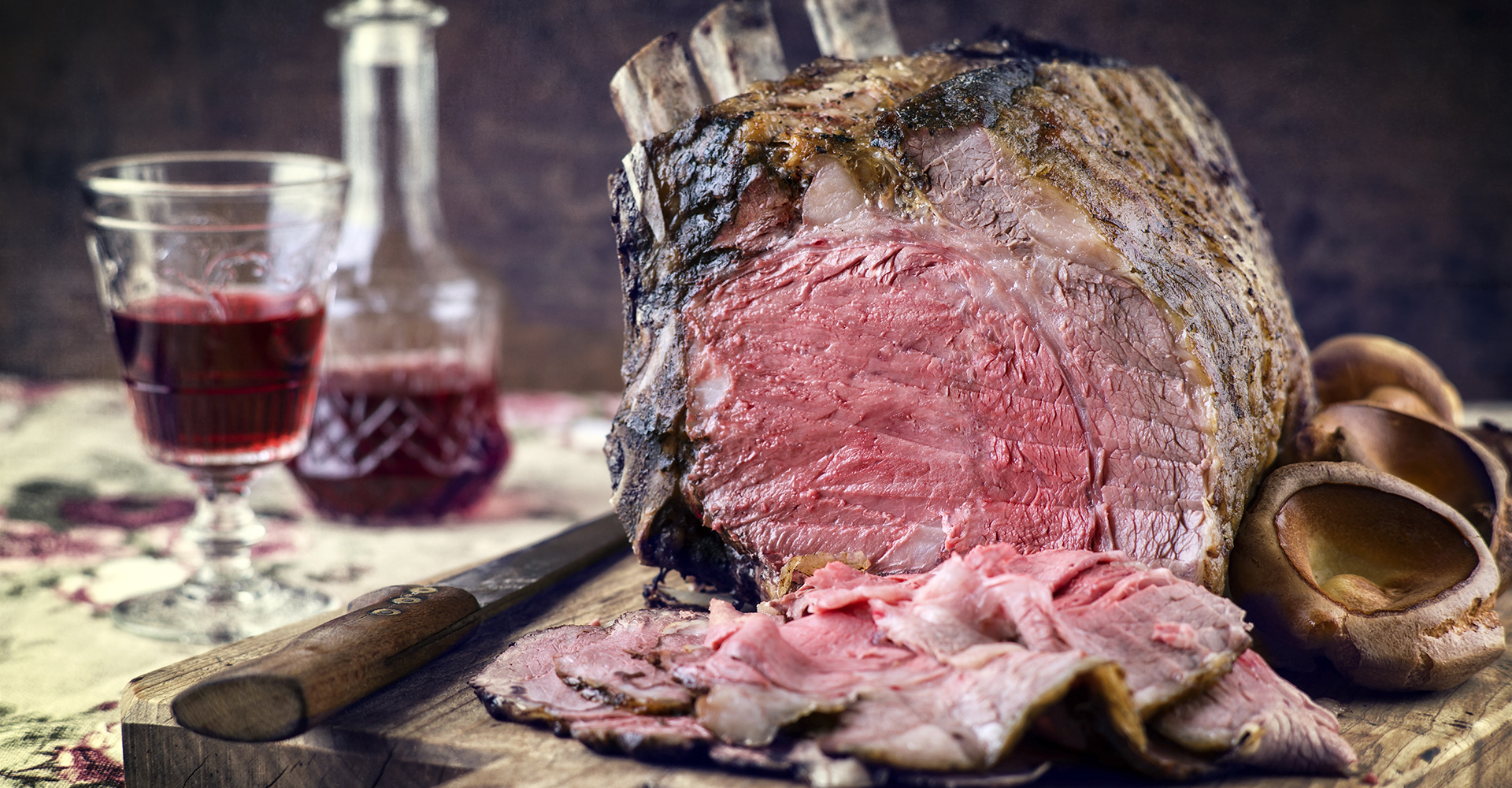
Tannins bind with the meat’s fat, making the wine taste smoother and the beef richer. Syrah and Malbec also work well with grilled or charred cuts, especially when the dish has pepper, smoke, or herbs.
Syrah, Shiraz, and Bordeaux blends have enough body and savoury depth to match lamb’s distinctive flavour. Herb-crusted lamb also suits reds with peppery or earthy notes.
Chicken is flexible — it depends on cooking method. Roast chicken loves Chardonnay or Viognier. Creamy dishes suit richer whites. Grilled or herby chicken works well with Sauvignon Blanc.
White fish pairs best with crisp, high-acid whites. Richer fish like salmon can handle fuller whites such as Chardonnay, or lighter reds such as Pinot Noir. Texture matters as much as flavour.
Tomato sauces → Sangiovese or Barbera. Creamy sauces → Chardonnay or Pinot Grigio. Seafood pasta → crisp whites. Spicy pasta often needs an off-dry wine to soften the heat.
A touch of sweetness cools chilli heat. High-alcohol wines and heavy tannins can make spice feel hotter. Bold reds are often a risky move with very spicy dishes.
| Dish | Best Wine | Why It Works |
|---|---|---|
| Ribeye steak | Cabernet Sauvignon | Tannins soften against fat and protein |
| Herb-crusted lamb | Syrah / Shiraz | Peppery depth matches the meat’s intensity |
| Grilled salmon | Pinot Noir | Light body suits oily fish without overwhelming |
| Creamy pasta | Chardonnay | Acidity and texture balance the richness |
| Spicy Thai curry | Off-dry Riesling | Sweetness helps calm chilli heat |
| Goat’s cheese | Sauvignon Blanc | Acidity cuts through fat and creaminess |
Acidic wine acts like a squeeze of lemon over food. It cuts through fat, refreshes the palate, and stops rich dishes from feeling heavy. That’s why Sauvignon Blanc, Chablis, and Champagne work so well with creamy sauces and buttery seafood.
Tannins create a drying sensation, but fat and protein soften that effect. When a tannic red is paired with steak or lamb, the wine feels smoother and more balanced. It’s chemistry doing a better job than most dinner party conversation.
A little sweetness reduces the burn of chilli and makes spicy dishes feel more balanced. Dry, high-alcohol wines can make heat seem stronger, while off-dry wines help calm the palate. Riesling is a reliable partner for Thai, Indian, and spice-driven cuisines.
Yes, but it depends on the fish. Rich, oily fish such as salmon or tuna can pair well with light reds like Pinot Noir. Heavy, tannic reds usually overpower delicate seafood and can create metallic flavours.
No. Chicken can pair with both white and red wine depending on the preparation. Roast chicken often suits Chardonnay, while grilled chicken or mushroom-based dishes pair very well with Pinot Noir. The sauce and seasoning usually matter more than the meat itself.
Champagne, sparkling wine, Sauvignon Blanc, and Pinot Noir are among the safest options for mixed menus. They are versatile, food-friendly, and less likely to clash with different textures and flavours across a meal.