Château Lynch-Bages: Where Bordeaux Tradition Gets a Very Smart Upgrade
Château Lynch-Bages in Pauillac is a Fifth Growth estate that blends Bordeaux heritage with modern precision winemaking. Owned by the Cazes family since 1939, it combines deep history with cutting-edge technology, producing wines that are structured yet surprisingly approachable.
First Impressions: Not Your Average Bordeaux Château
I’ve spent years visiting wineries, collecting, tasting, and, more often than I’d like to admit, trying to decode Bordeaux’s many layers. So when something feels different, it stands out quickly.
Lynch-Bages does that.
Yes, you still get the classic arrival. Gravel, symmetry, that quiet sense of importance. But within minutes, it softens. The art collection, the mix of old and new architecture, the way the space is curated rather than preserved for the sake of it. It feels lived in, not just maintained.
It’s polished, but not stiff. And in Bordeaux, that’s saying something.
 The Story: From Bakery to Bordeaux Royalty
 The Story: From Bakery to Bordeaux Royalty
The history here is well documented, but hearing it on-site adds a different layer. The estate traces back to the Lynch family of Irish origin, but the modern identity begins in 1939 with Jean-Charles Cazes.
A baker.
Standing there, looking out across the vineyards, it’s slightly surreal to think the whole trajectory of this estate came from a forced career change after a bakery fire. It’s a reminder that wine, for all its prestige, is often built on moments of necessity rather than grand design.
The Cazes family still run Lynch-Bages today, now into the fourth generation. You feel that continuity in the way decisions are explained, not as marketing lines, but as accumulated experience.
The Scale: Serious, But Still Precise
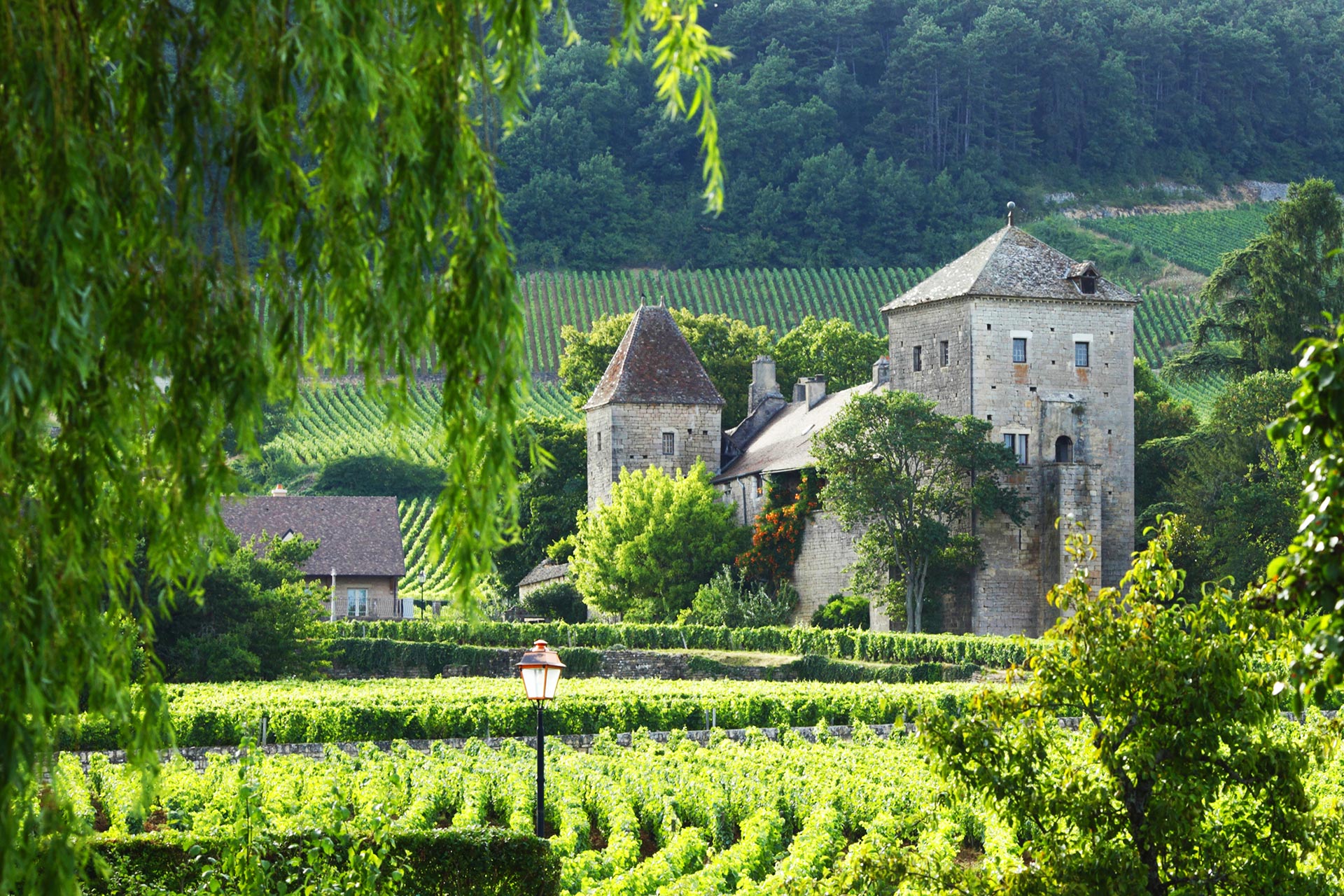
Walking the site, you quickly understand the scale. Around 100 hectares under vine, firmly in Pauillac, with Cabernet Sauvignon leading the charge as you’d expect on the Left Bank.
But what’s more interesting is how that scale is managed. During the tour, the emphasis kept coming back to individual plots, micro-decisions, and separation. It’s not about producing more. It’s about controlling variation.
That’s the difference between size and precision. And Lynch-Bages leans heavily into the latter.
Old Meets New. Properly Done
The 2017–2020 renovation is impossible to ignore when you’re standing inside it. Designed by Chien Chung Pei, it’s not just visually impressive, it’s operationally intelligent.
As we moved through the winery, you could see how everything had been designed around flow. Gravity does most of the work. Grapes move with minimal intervention. Technology supports rather than dominates.
We talked through the systems in detail. Optical sorting, temperature control, data tracking across plots. It’s all there. But what stood out was how naturally it’s integrated. No one is trying to impress you with it. It’s simply how they work.
And that tells you more than any brochure ever could.
The Process: Detail on Another Level
Watching the process explained on-site changes how you think about the final glass. Each plot is handled separately, each batch tracked, each decision made with context.
Hand harvesting, berry-by-berry sorting, around 80 vats for individual vinification. These aren’t just talking points. You can see the infrastructure built around them.
When you’ve spent enough time around wine, you learn to spot when detail is genuine and when it’s theatre. This is the former.
The Wines: The Real Test
Of course, everything leads to the tasting. And this is where being there matters. Glass in hand, not a press note in sight.
We tasted three wines from the Cazes family portfolio:
- Château Ormes de Pez 2017 (Saint-Estèphe)
- Château Haut-Batailley 2018 (Pauillac, Grand Cru Classé)
- Château Lynch-Bages 2014 (Pauillac, Grand Cru Classé)
I’ve tasted enough Bordeaux to know when something is technically correct but a bit joyless, and when something simply works. These worked, for different reasons.
Ormes de Pez 2017 – The Smart Buy
This was the surprise for many at the table, and for me the clearest “buy it and drink it” wine of the three.
It’s open, fast, and immediately generous. Dark fruit, a bit of spice, and tannins that have already settled into place. No need to overthink it, no need to wait decades. This is the bottle you reach for on a Wednesday night and feel quietly pleased with yourself.
In terms of value, it punches well above its weight. If you’re building a drinking cellar rather than a museum, this is the one to stack.
Haut-Batailley 2018 – Poised and Promising
A step up in structure and intent. The 2018 carries more depth, a firmer frame, and a sense that it’s still knitting itself together.
You get Pauillac character here, cassis, cedar, a touch of graphite, but it’s not shouting. It’s composed. Give it time and it will reward you, but even now there’s enough charm to keep you interested.
This is a “short to mid-term cellar” wine. Not one to forget about for 30 years, but one to revisit over the next decade.
Lynch-Bages 2014 – Built for the Long Game
Then the headline act. The 2014 Grand Vin.
More restrained on first pass, but it opens with air. Classic Cabernet-led Pauillac profile, blackcurrant, structure, grip, and a finish that hangs around long enough to remind you what you’re drinking.
This is the one for the cellar. You can drink it now, but you’ll be having a very different conversation with it in 10 to 20 years. It has that backbone, that quiet authority that says it’s only just getting started.
If the Ormes is for midweek and the Haut-Batailley is for the next few years, this is the one you put away and try not to think about.
A Winery That Understands Modern Wine Drinkers
One of the more telling conversations during the visit was around marketing and audience. There’s a clear awareness that the next generation of wine drinkers want more than just classification and scores.
They want context. Story. A sense of place.
Lynch-Bages leans into that with the Village de Bages, turning the estate into something broader than a tasting room. It’s a subtle shift, but it reflects how wine is consumed today, as part of an experience rather than a transaction.
Final Thought: Why This One Stuck
I’ve visited enough estates to know when something is simply impressive and when it’s actually memorable.
Lynch-Bages sits firmly in the second category.
It’s not trying to reinvent Bordeaux. It’s refining it. Taking what works, improving what can be improved, and doing it without losing identity.
That balance is harder than it looks.
The Verdict
A Fifth Growth that performs well above its weight, without needing to shout about it.
And a clear example of how Bordeaux continues to evolve through experience, precision, and just enough restraint.