There was a time when a wine’s reputation rested on the soil it grew from. Now, it’s often what it’s wrapped in that gets tongues wagging. In an industry obsessed with provenance, packaging has quietly elbowed its way to centre stage — not just a container, but a storyteller, a sustainability statement, and a security system all in one sleek glass (or paper, or aluminium) outfit.
The Packaging Pivot: From Necessity to Strategy
The global alcoholic beverages market is expected to hit $2.2 trillion by 2030 — and most of that growth comes from “premiumization.” Translation: we’re buying fewer cheap bottles and more fancy ones, so brands are under pressure to look the part. In this new landscape, packaging isn’t a cost; it’s capital.
Done right, it’s a visual handshake that tells you everything you need to know before the cork is even popped — heritage, ethics, craftsmanship, and increasingly, sustainability.
Welcome to the era of the Triple Imperative:
Sustainability. Storytelling. Security.
1. Eco-Packaging: When Green Means Gold
Let’s start with sustainability — the buzzword that’s no longer optional. With 90% of consumers saying they prefer eco-friendly packaging, and half of Gen Z willing to pay extra for it, “green” is no longer just a virtue signal; it’s a sales strategy.
Producers are slimming down glass weights, ditching glue, and cutting chemicals. One standout: Guala Closures’ No Glue System, which sounds like an engineering footnote but is actually revolutionary. It ditches adhesives entirely, using clever mechanical designs that make closures sturdier, greener, and more consistent. Translation? Fewer corks popping out mid-transport, and more eco-cred for the brand.
Of course, not all that glitters is recyclable. Paper bottles and Bag-in-Box formats cut carbon dramatically but still face recycling challenges and short shelf lives. That’s why premium producers are walking a fine line — pairing their eco-ambitions with formats that keep their wines alive and reputations intact.
Sustainability, it turns out, isn’t just about being green — it’s about being clever.
2. Story-Led Design: Where Labels Do the Talking
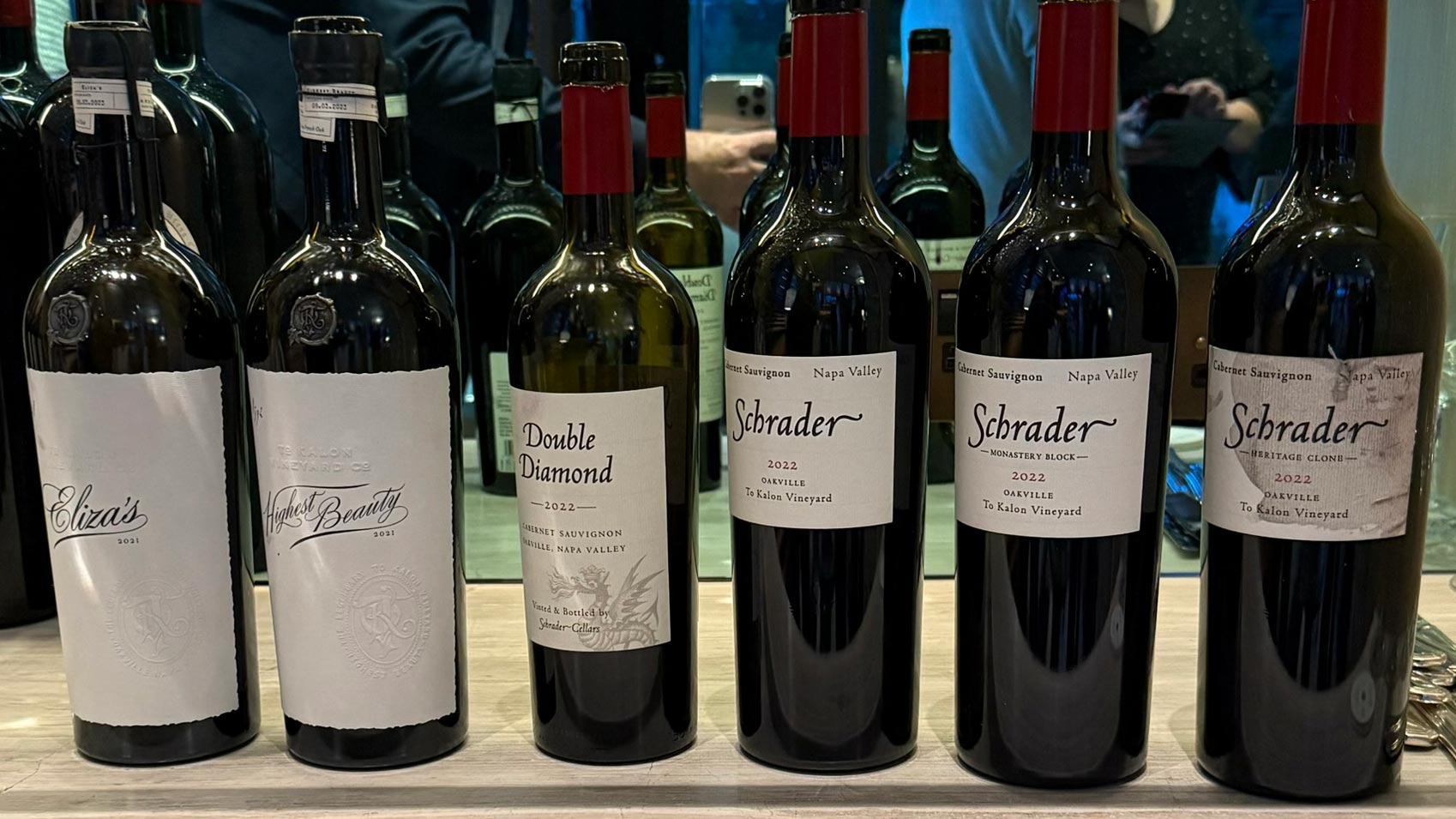
In the luxury world, packaging doesn’t just contain the product — it is the product. For premium wine and spirits, the bottle tells the story before a single drop hits the glass.
Traditional wineries are learning this the hard way. Younger drinkers want to know not just where a wine was made, but why it matters. They’re as interested in your carbon footprint as your tannin structure. So the old “château chic” aesthetic is being swapped for clean lines, recycled textures, and approachable storytelling — a design language that says “heritage meets honesty.”
And brands are getting inventive. Think gift boxes that turn into cocktail coasters, peelable labels revealing secret tasting notes, or secondary packaging that doubles as décor. It’s all part of a broader truth: storytelling doesn’t stop at the vineyard; it continues right through to the unboxing moment.
3. Tech-Enabled Packaging: Protect, Track, Engage
If you think QR codes are just for restaurant menus, think again. The next generation of smart bottles is blending technology with trust.
Counterfeit alcohol now makes up as much as 20% of the premium market — a statistic that’s both shocking and terrifying. Enter NFC smart tags: tiny cryptographic chips built into packaging that can’t be duplicated. They prove a bottle’s authenticity, track its journey through the supply chain, and even trigger alerts if tampering occurs.
Better still, they’re turning bottles into digital storytellers. One tap with your phone, and you can unlock vineyard histories, tasting guides, or even video messages from the winemaker. In an age of data-driven everything, packaging has become a bridge between the physical and digital worlds — part brand guardian, part engagement platform.
The Big Picture: The New Terroir
The future of premium wine and spirits isn’t just about what’s inside the bottle — it’s about what surrounds it.
The New Terroir isn’t soil, climate, or grape. It’s a seamless blend of eco-conscious design, brand storytelling, and tech-enabled integrity. Together, they shape perception, command loyalty, and protect authenticity.
Packaging, once the afterthought of logistics, is now the frontline of brand identity — the handshake, the promise, and the proof. In other words, the next great vintage might not be defined by where it’s grown, but by how it’s presented.