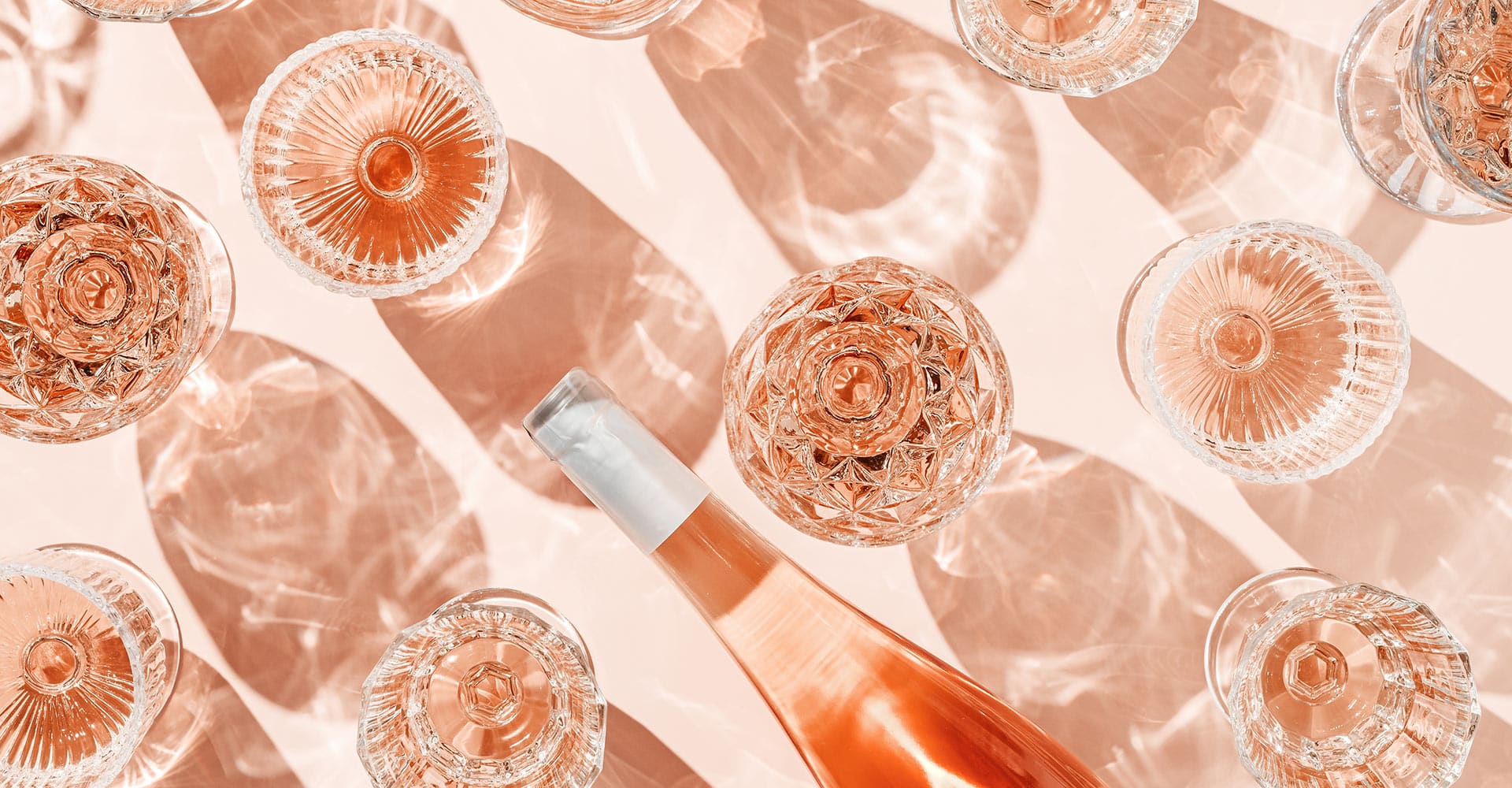
Rosé has had a glow-up. Once treated as the poolside understudy to “serious” wine, it now stretches from pale Provence favourites to sparkling bottles, cans, magnums and structured food wines with actual shoulders. I’ve recently tasted several rosés, including bottles from Pasqua, Hedonism and Sarrins, and the message is clear: there’s far more to pink wine than Whispering Angel, lovely though it can be on a sunny day.
Rosé used to be simple. That was part of the problem.
For years, rosé had one job: be pale, cold and photographed near sunglasses. It did this very well. Almost too well. The category became so closely associated with summer that some people treated it like seasonal garden furniture: delightful in July, slightly suspicious in November.
But rosé has changed. Or perhaps, more accurately, we’ve finally noticed what was already there.
Recently, I’ve tasted a broad cross-section of rosés this season, from Pasqua’s innovative Y by 11 Minutes to Château des Sarrins Grande Cuvée, as well as several Provence benchmarks from Château d’Esclans, including the superb Garrus. They weren’t all trying to be the same wine in different outfits. Some had freshness, some had body, some had savoury grip, some were built for food. A few had the confidence of wines that know they don’t need to whisper in pale salmon to be taken seriously.
And yes, I enjoy Whispering Angel on a sunny day. There’s no need to be performatively sniffy about popular wine. Wine people can sometimes behave as though enjoying a successful brand is a character flaw. It isn’t. But the broader point is this: if your entire understanding of rosé begins and ends with pale Provence, you’re missing the fun bit.
Is rosé wine becoming more popular?
Yes. According to the supplied market data, while traditional still red wine volumes are down 6% and still white wine volumes are down 4%, rosé is moving in the opposite direction. Rosé volumes are up 3%, with value up 5%, generating £882 million in annual sales.
That matters because wine is not exactly enjoying an easy commercial moment. Consumers are drinking less, spending more carefully and thinking harder about alcohol, health and occasion. Against that background, rosé’s growth tells us something useful: the category is adapting.
It’s not relying solely on one bottle, one colour or one summer stereotype. It’s fragmenting into different occasions and price points: accessible Mediterranean rosé, premium Provence, sparkling rosé, canned spritzes and serious food rosés with enough structure to look grilled lamb in the eye and not blink.
Wine, like people at a wedding buffet, behaves better when it knows where it fits.
Why rosé is now more than just Provence-style pale pink
The pale Provence style still dominates consumer imagination, and understandably so. It’s dry, elegant, easy to understand and extremely good at making even a Tuesday patio feel faintly Riviera-adjacent.
But rosé is now far more diverse.
IGP Méditerranée rosé, for example, has grown strongly in the UK, with exports reportedly up 12% in 2025. The flexibility of the IGP category allows producers to create fruit-forward, accessible wines that suit modern drinking habits without needing to fit a stricter appellation box.
At the premium end, estates such as Château d’Esclans and Château Galoupet show how Provence rosé can move into more structured, layered territory. Barrel fermentation, old vines, lees ageing and careful blending all add texture and complexity. This is rosé with a bit more bass in the speakers.
Then there’s Tavel, the Southern Rhône appellation dedicated entirely to rosé. Tavel doesn’t do shy. It’s deeper coloured, more savoury and often closer to a light red in weight. It’s the rosé you open when dinner involves garlic, olives, lamb, smoke, spice or any guest who says, “I don’t really drink pink wine” while being exactly the person who should.
Rosé now has structure, body and a seat at the table
In my opinion, the most interesting shift is simple: rosé now has structure and body, and it’s increasingly brilliant with food.
That doesn’t mean every rosé is built like a Châteauneuf with a spray tan. Structure in rosé can come from acidity, lees ageing, phenolics, oak influence, grape variety, skin contact or simply better winemaking. The result is wine that doesn’t collapse the moment a plate appears.
Classic pale rosé is still great with seafood, salads, goats’ cheese, charcuterie and anything involving sunshine and optimism. But gastronomic rosé can go much further. Deeper styles can work with grilled chicken, barbecued lamb, wood-fired vegetables, spiced dishes, oily fish, Provençal stews, pizza, tapas and mature cheeses.
That’s where the category becomes genuinely exciting. Rosé stops being “the thing you drink before the proper wine arrives” and becomes the proper wine.
What is gastronomic rosé?
Gastronomic rosé is rosé made with food in mind. It often has more texture, depth, savoury character and ageing potential than simple summer rosé.
Some examples include Tavel from the Southern Rhône, aged Rioja rosado such as López de Heredia’s Viña Tondonia Gran Reserva Rosado, Cerasuolo d’Abruzzo, Spanish claretes and barrel-aged Provence cuvées such as Les Clans and Garrus from Château d’Esclans.
These wines can develop flavours beyond fresh strawberry and peach. With age, rosé can move into dried fruit, orange peel, herbs, spice, almond, savoury notes and gentle oxidative complexity. In other words, less “pool float” and more “proper dinner conversation”.
Serve these wines lightly chilled rather than fridge-cold. Overchilling serious rosé is like putting a cashmere jumper in a nightclub cloakroom: technically possible, but slightly disrespectful.
Bottom Line
If the food is delicate, choose a fresh, pale, dry rosé. If the food is grilled, smoky, spicy or rich, look for deeper, more structured rosé with texture and savoury character.
Sparkling rosé is helping make pink wine year-round
Sparkling rosé is another major reason the category has outgrown summer. Bubbles change the occasion. A still rosé says, “shall we sit outside?” Sparkling rosé says, “something good might be happening, even if it’s only Thursday.”
The supplied research points to strong growth in premium sparkling rosé, including Champagne and English sparkling wine. Drier Brut and Extra Brut styles are becoming more attractive because they offer freshness, precision and less sweetness. That suits modern drinkers who want celebration without the wine tasting like it was designed by a dessert committee.
English sparkling rosé is especially interesting. Cool-climate Pinot Noir and Pinot Meunier can produce wines with bright acidity, red-fruit clarity and elegance. These wines work beautifully as aperitifs but can also handle smoked salmon, salty snacks, fried food, shellfish and lighter festive dishes.
And then there are magnums. Rosé in large format is not just a bottle. It’s a centrepiece. Put a magnum of rosé on the table and everyone behaves slightly better, at least for the first glass.
What about canned rosé and rosé spritzes?
Canned rosé spritzes are part of what the research wonderfully describes as “the great tinification”. That phrase alone deserves a small plaque.
The rise of canned rosé, spritzes and ready-to-drink formats reflects how people actually live. Picnics, trains, festivals, garden gatherings and events don’t always suit glass bottles and corkscrews. Cans chill quickly, travel easily and avoid the thrilling social theatre of someone trying to open wine with a house key.
But the trade-off is quality and depth. Lower alcohol rosé spritzes can be refreshing and convenient, but dilution, sweetness and flavouring can flatten the wine character. The best versions keep things dry, fresh and wine-forward. The weaker ones taste like someone showed a berry a legal document.
There’s a place for them, though. Not every drink needs to be profound. Sometimes it just needs to be cold, portable and not require a glass the size of a small greenhouse.
How to choose the right rosé for the occasion
For a hot afternoon, picnic or casual garden drink, go for a classic dry still rosé. Provence, IGP Méditerranée, Languedoc and other Mediterranean styles are natural choices. Keep it chilled, keep the food simple and don’t overthink it.
For celebrations, festive drinking or hosting, choose sparkling rosé. Champagne, English sparkling rosé or high-quality traditional method fizz will bring freshness and theatre without making the occasion feel stiff.
For a barbecue or proper meal, choose gastronomic rosé. Tavel, structured Spanish rosado, Cerasuolo d’Abruzzo or barrel-aged Provence styles are better bets. These wines have enough grip and body to cope with smoke, fat, herbs and spice.
For travel, festivals and informal outdoor moments, consider canned rosé or a dry rosé spritz. Just check the sweetness and alcohol level. Convenience is brilliant, but syrupy pink fizz can turn a sunny afternoon into a dental appointment.
Bottom Line
Rosé is no longer one bottle for one season. Think about the occasion first: aperitif, picnic, barbecue, celebration or dinner. Then choose the style.
Why this matters for wine drinkers and the trade
For consumers, the message is liberating. You don’t have to choose rosé by colour alone. In fact, you probably shouldn’t. Pale doesn’t automatically mean better, darker doesn’t automatically mean sweeter, and expensive doesn’t automatically mean serious.
For the wine trade, the shift is commercially significant. Rosé’s fragmentation creates more reasons to buy, more occasions to serve it and more ways to position it. A restaurant can sell rosé by the glass as an aperitif, offer a premium sparkling rosé for celebration, list a serious Tavel for food pairing and still keep a reliable Provence-style bottle for guests who want sunshine in liquid form.
That’s not confusion. That’s category maturity.
The danger is that rosé becomes overmarketed into lifestyle fog: endless beaches, pale bottles, linen shirts and people laughing near a yacht they almost certainly do not own. The opportunity is better: show people that rosé can be fresh, serious, fun, structured, sparkling, age-worthy, affordable, premium and useful with food.
Wine should make life more enjoyable, not more complicated. But it can still have layers.
Final sip: rosé has earned its place
Rosé has grown up, but thankfully it hasn’t become boring. It can still be joyful, pretty, refreshing and wildly good on a warm day. It can still be the bottle you reach for when the sun appears and everyone suddenly remembers they own garden chairs.
But it can also be structured, textured and genuinely food-friendly. It can sparkle. It can age. It can arrive in a can without shame. It can sit beside grilled lamb, roast chicken, seafood, curry, charcuterie or cheese and do more than just look photogenic.
So yes, enjoy Whispering Angel on a sunny day. I do. But don’t stop there. Rosé has moved beyond one colour, one brand and one season.
Pink wine has found its backbone. About time, really. It was getting tired of being treated like the pool boy.